
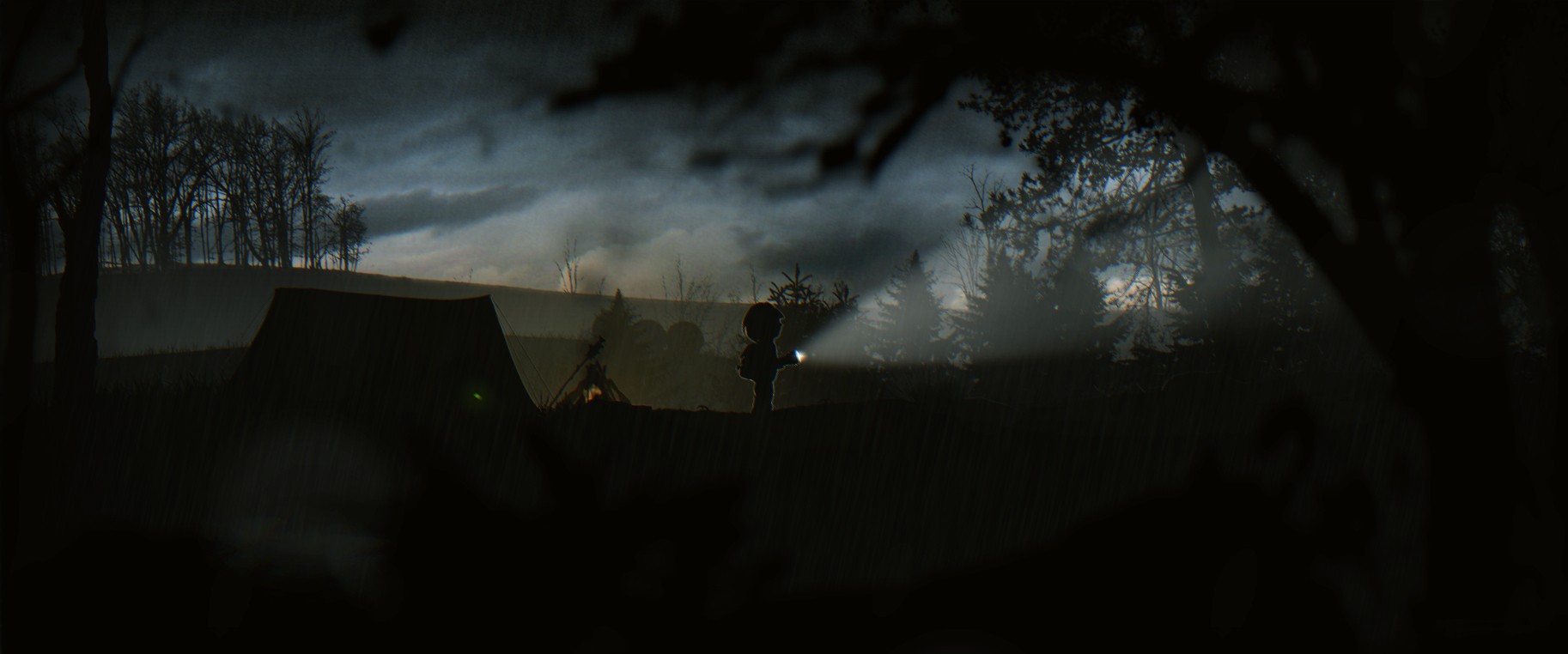
Orphan is a cinematic puzzle-platformer that thrives on isolation, environmental storytelling, and atmospheric exploration. You play as a young boy navigating a ruined countryside after an overnight alien invasion. Rather than relying on dialogue or explicit exposition, the game uses heavy silence, rich environmental details, and deliberate pacing to build a deeply immersive sense of tension.
What struck me most was how effectively Orphan captures the spirit of classic cinematic platformers despite its stylized, dark presentation. The abandoned, oppressive landscapes and the constant feeling of vulnerability frequently brought to mind masterpieces like Another World and Limbo.

Year: 2018
Developer: Windy Hill Studio
Atmosphere: Lonely · Melancholic · Mysterious
Visual Style: Pixel Art · Dark Minimalism
Focus / Pace: Stealth Platforming · Deliberate
Platforms: Windows
The Story
The narrative follows a silent child traveling through a dying world littered with ruined structures, hostile machines, and alien entities. Because the story unfolds entirely through the background scenery and ambient details, the game leaves you with very few direct answers. This lack of explanation works beautifully; it reinforces the heavy feeling of isolation and keeps the world feeling genuinely mysterious from start to finish

Graphics
Visually, the game utilizes starkly colored backgrounds contrasted against heavy, silhouetted foreground shadows to establish its bleak tone. While the aesthetic is fundamentally minimalist, the environments still feel incredibly oppressive and immersive thanks to clever lighting design, careful contrast, and fluid animation
Gameplay & Pacing
In Orphan, your time is split between sneaking through hazardous terrain, avoiding deadly traps, and outsmarting hostile alien encounters. The core mechanics lean into simplicity, prioritizing tension over complex controls.
Movement feels highly deliberate, making your character feel incredibly vulnerable against supreme alien technology. Thankfully, the environmental puzzles rarely ground your momentum to a halt for too long, allowing exploration to remain the central focus. The game uses a slow, methodical pace, giving you ample room to absorb the loneliness of the world before suddenly thrusting you into danger.

Atmosphere
Orphan uses a slow and methodical pace focused on atmosphere and careful exploration. Quiet traversal sections allow the player to absorb the world before introducing traps, hazards, or hostile encounters.
The game rarely rushes the player, which helps reinforce the constant feeling of loneliness and vulnerability throughout the journey.
🎮 My honest opinion
Though it is a relatively small indie project, Orphan succeeds remarkably well at squeezing maximum atmosphere out of limited resources. It wears its inspirations proudly on its sleeve, yet still manages to carve out its own distinct, melancholic identity. My favorite moments were the quietest ones—simply traversing the rugged, shadowy landscapes while trying to survive a hostile world
Where can I play Orphan?
Orphan is available on PC through Steam and can also be played on Nintendo Switch. The game works especially well on handheld devices or during shorter sessions thanks to its slower pacing and minimalist presentation.
Games similar to Orphan
Players who enjoyed Orphan will likely appreciate other cinematic platformers focused on isolation, environmental storytelling, and darker atmospheric exploration. While the game shares some DNA with well-known titles like Limbo, it also fits nicely alongside several smaller and lesser-known atmospheric platformers.
Typoman

Typoman combines dark atmospheric platforming with word-based puzzle mechanics and a similarly oppressive world design. Like Orphan, it uses minimal storytelling and strong visual contrast to create tension and immersion.
The Way

The Way is a cinematic sci-fi platformer focused on loneliness, environmental storytelling, and slow exploration through hostile alien environments. Like Orphan, it combines minimalist storytelling, dangerous traversal, and a melancholic atmosphere heavily inspired by classic cinematic platformers such as Another World and Flashback.
If you are looking for more atmospheric cinematic platformers, games like Limbo, Inside, and Another World all share Orphan’s focus on isolation, dangerous environments, and minimalist storytelling through atmosphere and exploration.