
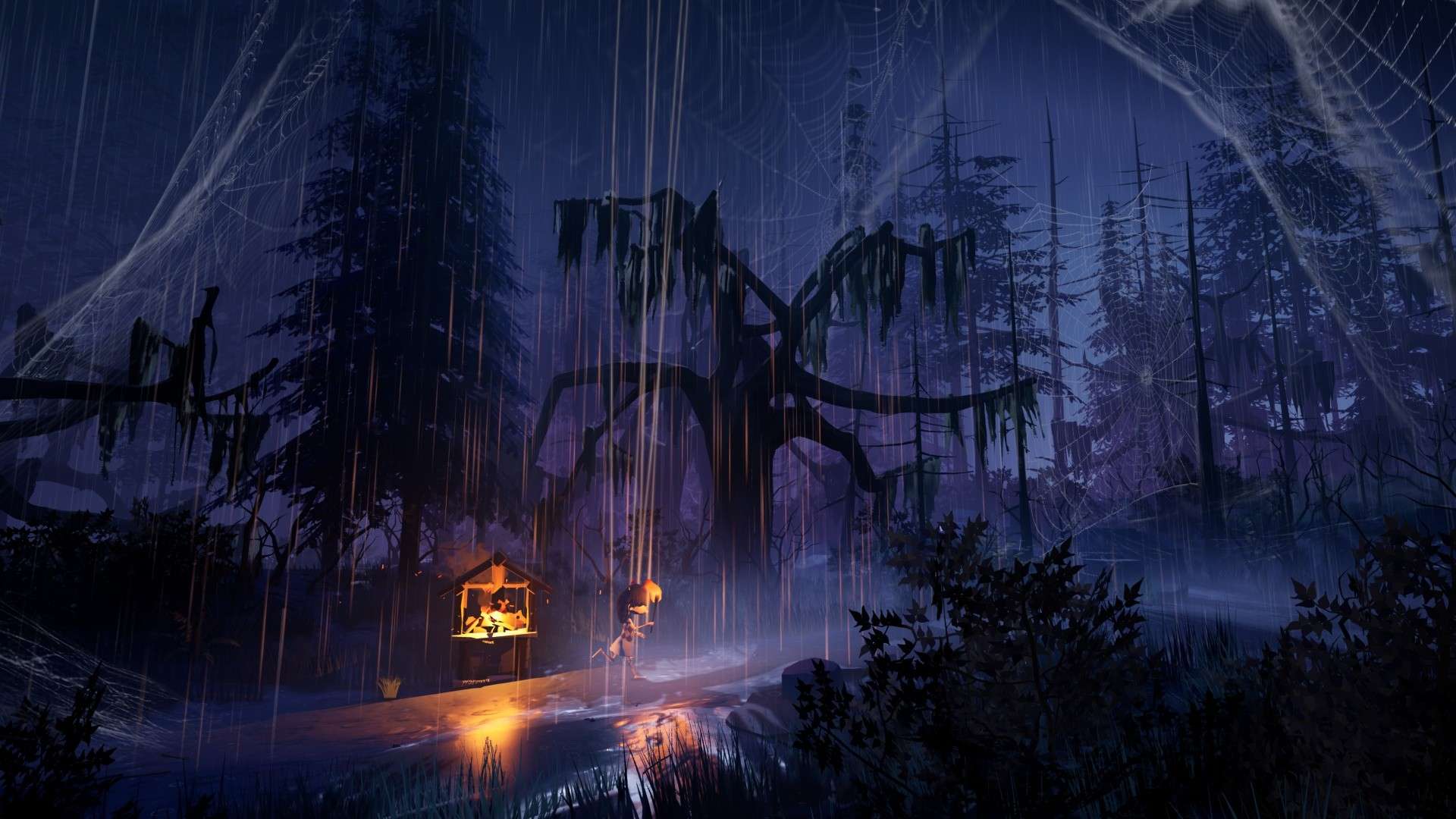
Cinematic platformers have always thrived on unusual ideas. While the genre is often associated with atmospheric worlds, deliberate movement, and cinematic storytelling, many of its most memorable games are built around a single brilliant gameplay mechanic. Instead of relying purely on combat or traditional platforming, these games introduce mechanics that fundamentally reshape how players interact with the world.
Some turn puppet strings into traversal systems. Others build entire adventures around cloning devices, underwater possession, typography puzzles, or controlling sparks moving through machines. These mechanics are not simple gimmicks — they define the tone, pacing, and identity of the experience itself.
From experimental indie projects to genre-defining classics, these are the cinematic platformers with the most creative game mechanics ever designed.
A Juggler’s Tale: puppet strings as gameplay
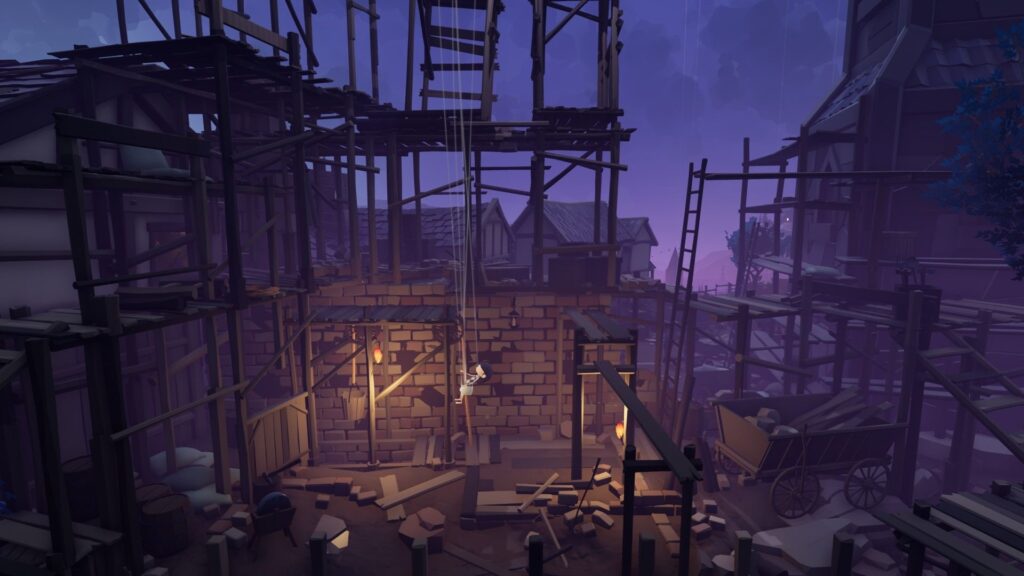
What makes it unique: The protagonist’s puppet strings are not just visual decoration — they directly shape movement, puzzles, and level design.
Obstacles are often designed around manipulating those strings rather than traditional platforming precision. Combined with the game’s narration and stage-like presentation, the mechanic reinforces the feeling that the protagonist is literally trapped inside a performance she cannot fully control.
Presented like a theatrical performance, A Juggler’s Tale transforms its marionette concept into an actual gameplay mechanic. Abby’s strings constantly restrict how she jumps, climbs, and interacts with the environment, forcing players to think vertically as much as horizontally.
A Tale of Paper: origami transformations as traversal
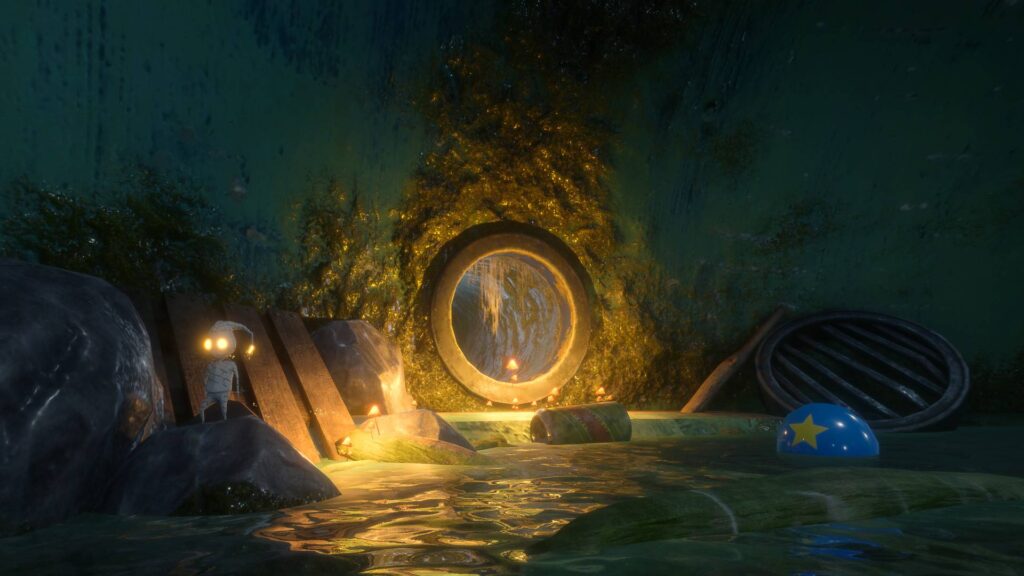
The brilliant gameplay idea: Transforming a fragile paper character into different origami forms to overcome environmental obstacles.
A Tale of Paper builds its entire progression around the physical properties of paper. The protagonist can fold into shapes like airplanes, frogs, or boats, each dramatically changing movement and interaction possibilities. Instead of treating transformations as occasional gimmicks, the game constantly integrates them into traversal, puzzle-solving, and environmental storytelling.
The mechanic also reinforces the game’s delicate atmosphere, where even ordinary household spaces feel enormous and dangerous when experienced from the perspective of a tiny paper creature.
Projection: First Light: shadow puppet theatre as world design
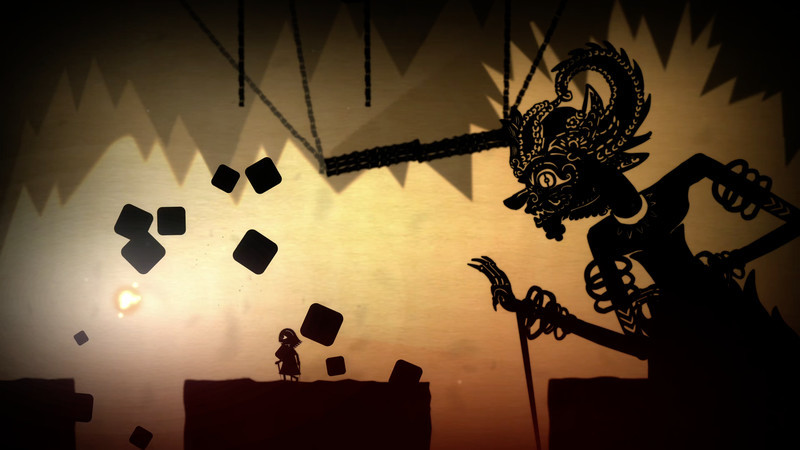
What makes it brilliant: The game turns traditional shadow puppetry into both its visual identity and core puzzle mechanic.
Projection: First Light uses light and shadow not simply for atmosphere, but as the foundation of gameplay itself. Inspired by shadow theatre traditions from Indonesia, China, Turkey, and Australia, the game asks players to manipulate light sources to create platforms, solve puzzles, and reshape environments.
This theatrical presentation gives the entire adventure the feeling of an interactive stage performance, making it one of the most visually distinctive cinematic platformers of the modern era.
Gift: a sinking ship that constantly reshapes the level design
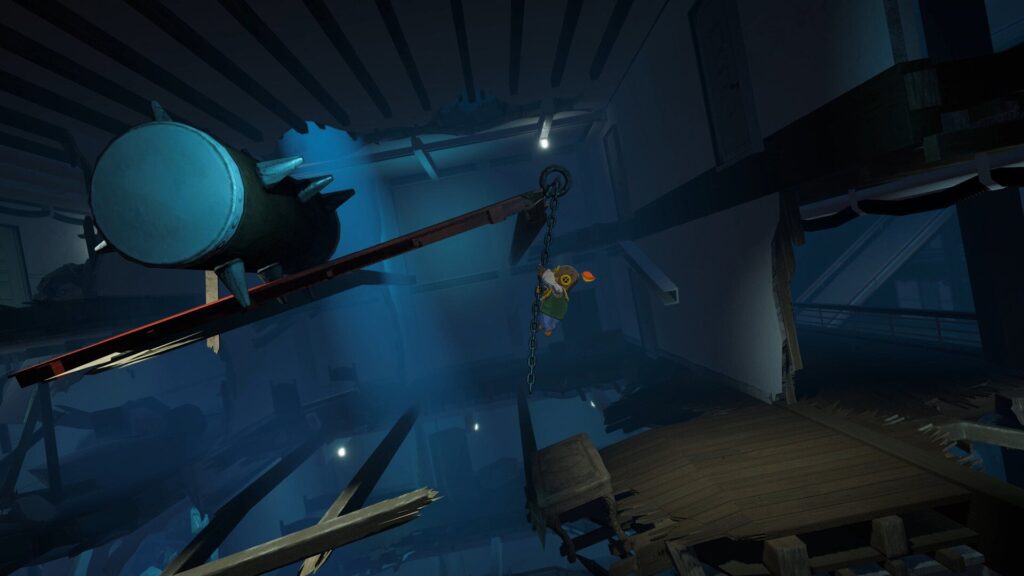
What makes it special: The game’s environments physically tilt, flood, and transform as the cruise ship slowly sinks beneath the ocean.
Much like the cult classic SOS, Gift builds tension around a collapsing vessel where level geometry continuously shifts during progression. Rooms tilt, corridors flood, objects slide across the floor, and entire pathways become inaccessible as the ship gradually descends into chaos.
Instead of relying on static platforming spaces, the game turns environmental instability into its central mechanic. This constantly changing structure gives traversal a cinematic urgency, reinforcing the feeling that players are escaping an unfolding disaster rather than solving isolated puzzles inside conventional levels.
7th Sector: controlling machines instead of a protagonist
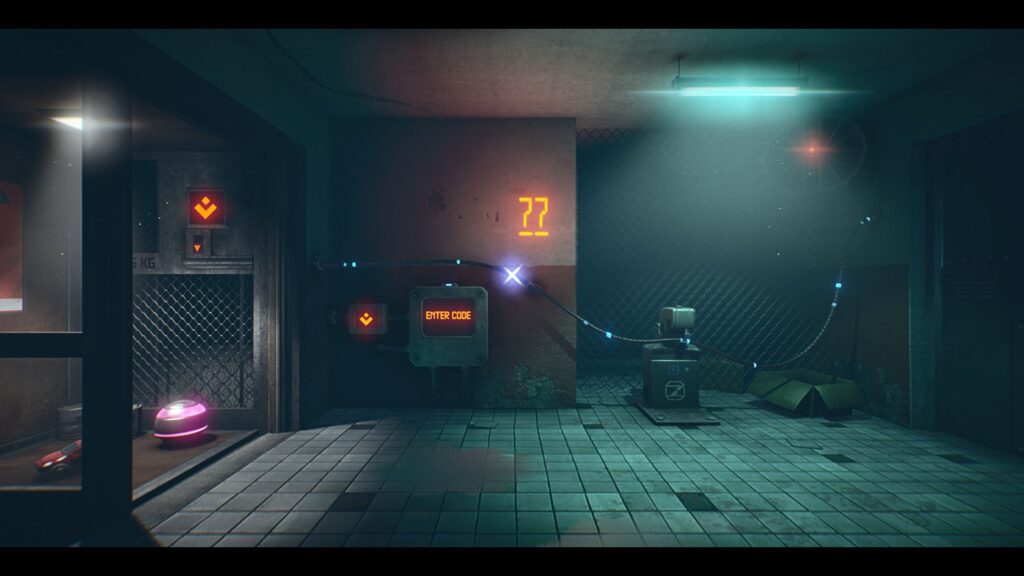
What makes it so inventive: Rather than controlling a traditional character, players move through the world as sparks, drones, and electrical systems.
7th Sector constantly changes the player’s relationship with the environment by shifting control between machines and devices scattered throughout its cyberpunk world. One moment you may control a tiny drone navigating industrial corridors, the next an electrical spark traveling through cables and generators.
This unusual perspective transforms traversal into a puzzle itself, reinforcing the game’s abstract storytelling and creating a strong sense of alienation within its dystopian environments.
Silt: possessing creatures in a drowning abyss
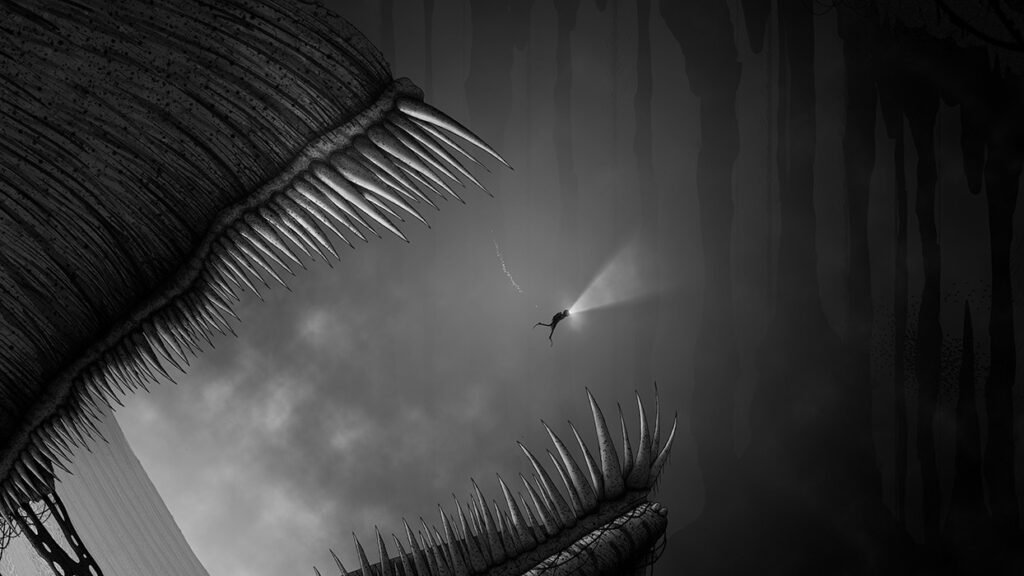
What makes it special: Instead of simply swimming through underwater environments, players possess sea creatures to survive and solve puzzles.
Silt transforms underwater exploration into something oppressive and unpredictable. By allowing players to control different marine creatures, the game constantly changes how movement, combat, and interaction function. Some creatures destroy obstacles, others manipulate mechanisms or access hidden paths.
Combined with the game’s monochromatic visuals and slow pacing, the possession mechanic reinforces the unsettling feeling of descending deeper into a hostile abyss rather than exploring a traditional platforming world.
The Swapper: cloning yourself to solve puzzles
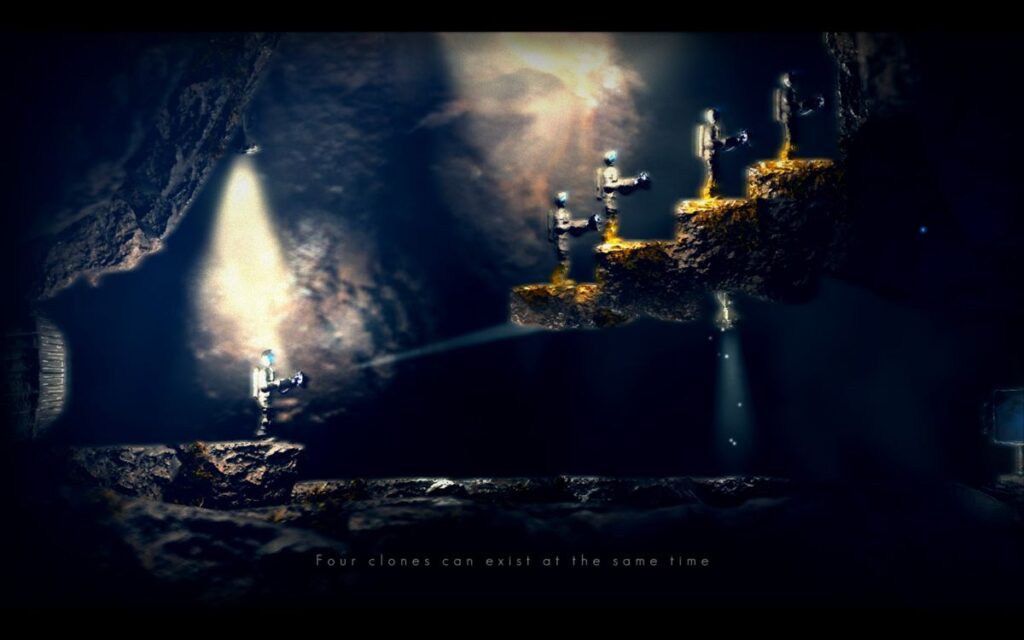
The brilliant gameplay idea: Creating clones and instantly transferring consciousness between multiple bodies.
The Swapper takes a relatively simple mechanic and pushes it into increasingly complex territory. Players can generate copies of themselves almost anywhere, then seamlessly switch between bodies to traverse impossible environments and solve intricate puzzles.
What makes the system especially memorable is how naturally it connects to the game’s atmosphere and themes of identity, isolation, and consciousness. The abandoned space-station setting turns every puzzle into something slightly existential rather than purely mechanical.
Bionic Bay: swapping your position with objects to survive

What makes it brilliant: Players can instantly exchange their position with tagged objects in the environment — turning any obstacle into a potential escape route.
Similar to The Swapper, and at the same time completely different – Bionic Bay gives players four physics abilities, but the swap mechanic is the one that defines the experience. At any moment, you can tag an object and exchange places with it — using a falling crate to dodge a laser, a rolling barrel to cross a gap, or a piece of debris to escape a crusher with a fraction of a second to spare. What sounds like a simple teleportation trick quickly becomes something far more layered, demanding both puzzle-solving and precise timing simultaneously.
What makes it especially memorable is how naturally the mechanic combines with the game’s other abilities — slowed time, telekinesis, real-time gravity control — creating a physics sandbox that constantly finds new ways to use the same core idea. Few cinematic platformers manage to build this much variety from a single mechanic, and fewer still make you feel this clever for using it.
DARQ: rotating gravity as a puzzle system

What makes it unique: Players can rotate the gravity of entire rooms, turning walls and ceilings into floors and fundamentally reshaping how each environment is navigated.
DARQ puts you inside a lucid nightmare where the rules of physics apply only when the game decides they do. Rather than simply moving through spaces, Lloyd can rotate the orientation of a room — walking up walls, crossing ceilings, reaching areas that would be impossible from the conventional perspective. Each new environment operates according to its own internal logic, which means the spatial puzzle of understanding how a room works comes before the puzzle of figuring out what to do inside it.
What makes it particularly effective is how naturally the mechanic reinforces the dream logic of the world. In a nightmare, nothing should stay where you left it. DARQ makes that instability the foundation of every puzzle — and the result is one of the most spatially inventive cinematic platformers in the genre.
Shady Part of Me: two dimensions, one world
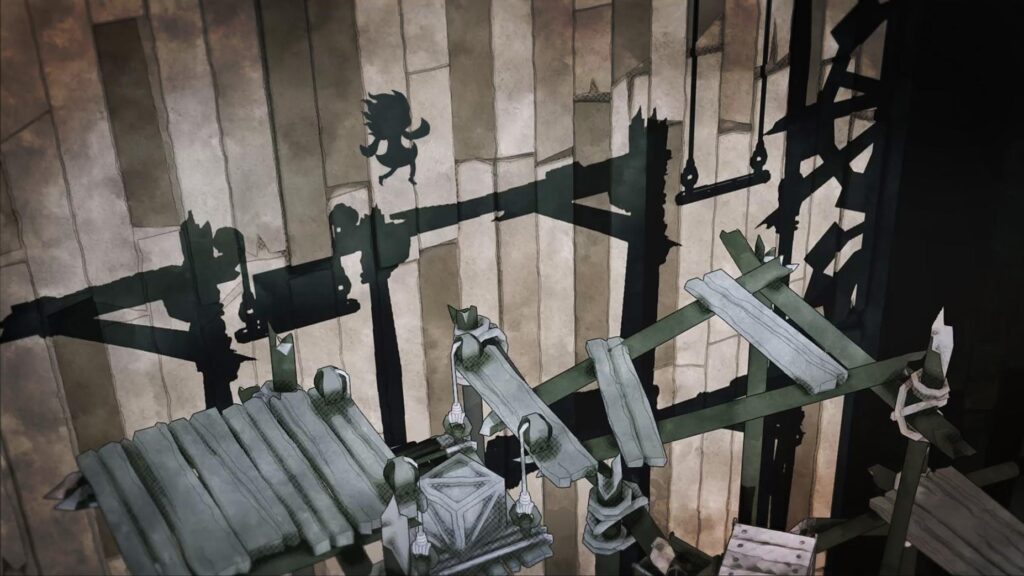
What makes it unique: The game splits into two simultaneous dimensions — a girl navigating a 3D world who cannot stand light, and her shadow navigating the 2D walls around her.
Shady Part of Me requires you to think in two realities at once. The girl moves through three-dimensional space but is destroyed by light — she can only exist in shadow. Her shadow, meanwhile, travels across two-dimensional surfaces projected on those same walls, and is destroyed by darkness. Solving puzzles for one requires manipulating the world of the other: moving an object in 3D changes the shadow it casts in 2D, opening paths that did not exist a moment before.
The mechanic is as elegant as it is unusual — and the fact that it works as both a puzzle system and a metaphor for psychological duality gives it a depth that purely mechanical inventions rarely achieve.
Typoman: words as gameplay mechanics
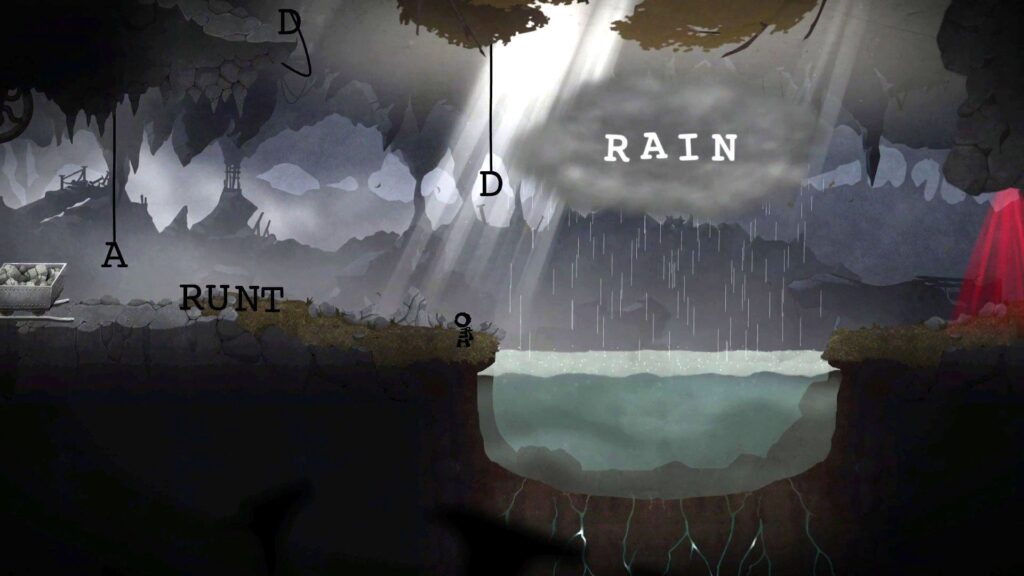
What makes it unique: Letters and words physically alter the world around the player.
Typoman transforms typography into an actual puzzle system. Rearranging letters can create entirely new gameplay situations: changing “OPEN” into “CLOSE,” creating environmental hazards, or manipulating objects through language itself.
The concept is genuinely original — few cinematic platformers integrate their visual identity and gameplay systems this closely. In practice though, the mechanic never quite reaches its full potential. The word puzzles remain relatively simple throughout, and the game does not push the idea as far as you keep hoping it will. It is still worth knowing about for the concept alone, but go in knowing the execution is more modest than the premise suggests.
The MISSING: J.J. Macfield and the Island of Memories: using injury to progress

What makes it brilliant: Players must deliberately injure or dismember the protagonist to solve puzzles and move forward.
The MISSING turns failure and bodily harm into core mechanics. J.J. can break bones, sever limbs, or burn herself alive in order to access new paths and survive environmental hazards. What could have been pure shock value instead becomes deeply tied to the game’s psychological themes and surreal atmosphere.
The result is one of the strangest and most uncomfortable gameplay concepts ever used in a cinematic platformer.
Never Alone (Kisima Ingitchuna): indigenous storytelling integrated into gameplay

What makes it so special: The game blends traditional Iñupiat folklore with cooperative puzzle-platforming and documentary storytelling.
Never Alone stands apart from most cinematic platformers because its central concept is cultural rather than mechanical. Throughout the adventure, gameplay sequences are interwoven with unlockable documentary clips featuring Alaska Native storytellers and community members.
The result feels less like a conventional platformer and more like an interactive folktale, where environmental puzzles and atmospheric traversal become extensions of oral storytelling traditions. If you like that kind of games, check out our feature about games rooted in culture and folklore.
FAR: Lone Sails: turning a machine into the protagonist

What makes it brilliant: The game transforms maintaining and operating a giant vehicle into the core emotional experience.
Rather than focusing on traditional platforming challenges, FAR: Lone Sails builds its entire structure around a massive steam-powered machine slowly crossing a dead world. Players constantly move inside the vehicle itself, adjusting engines, repairing breakdowns, fueling systems, and reacting to environmental hazards while the world drifts silently past outside.
The machine gradually feels less like transportation and more like a fragile companion struggling to survive alongside the player. This unusual approach creates a deeply meditative rhythm rarely seen in cinematic platformers, where solitude, maintenance, and forward momentum become more important than combat or reflex-based challenge.
Darwin’s Paradox!: octopus movement as cinematic platforming
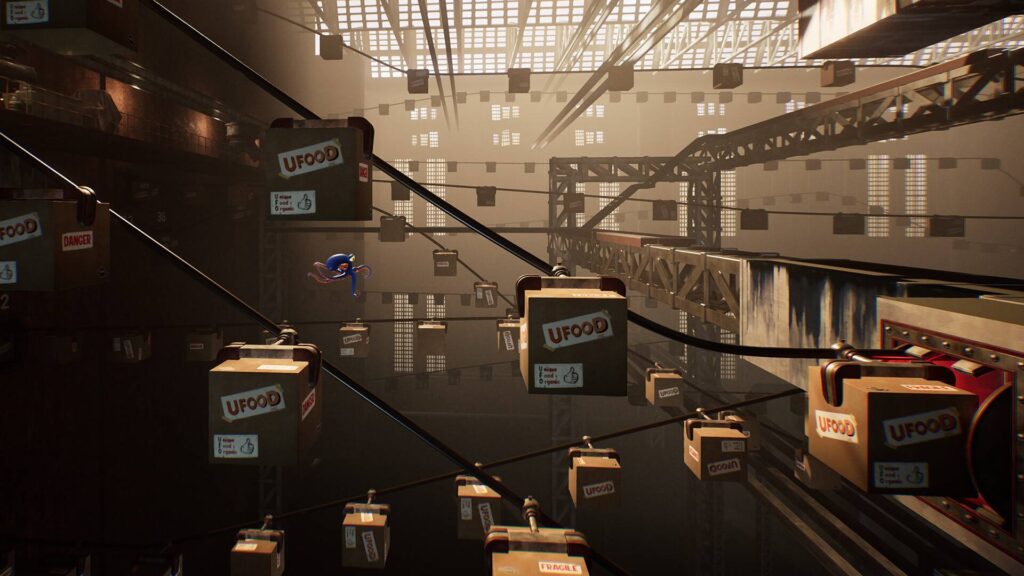
What makes it unique: The game builds traversal entirely around the natural abilities of an octopus — wall climbing, camouflage, ink bursts, and fluid underwater movement.
Darwin’s Paradox! completely changes the feel of cinematic side-scrolling by placing players inside the body of a highly expressive sea creature. On land, Darwin sticks to walls and ceilings with his suckers, camouflages himself to avoid detection, and fires ink to disable cameras and electronics. In water, he moves with a grace and speed that no humanoid protagonist could match.
The octopus abilities are well implemented and genuinely fun — the game earns its charm through Darwin’s expressiveness and the variety of situations his toolkit creates. It does lean heavily on stealth, which some players find repetitive, and the puzzle design is more straightforward than the concept promises. But as a protagonist concept, Darwin is one of the most original in the genre — a non-human character whose movement system fundamentally changes how every level is navigated.
The Cub: environmental storytelling through radio broadcasts

What makes it so inventive: The game combines platforming with dynamic radio commentary that constantly reframes the world around the player.
As players move through the ruins of a post-apocalyptic Earth, fictional radio hosts narrate the journey like a bizarre tourism broadcast aimed at wealthy elites visiting the devastated planet. This ongoing commentary transforms ordinary traversal into a form of satirical world-building, gradually revealing the collapse of civilization through advertisements, conversations, and dark humor rather than exposition dumps or cutscenes. The concept gives
The Cub a uniquely cinematic identity, where movement through the environment feels synchronized with an invisible soundtrack of propaganda and storytelling. Combined with its retro-inspired traversal, the radio system creates a surprisingly immersive and original atmosphere.