A Tale of Paper is one of those games that sneaks up on you. What looks at first like a simple, quiet puzzle-platformer quickly reveals itself to be a deeply moving little journey full of charm, wit, and unexpected emotional weight. You play as Line, a small origami figure who comes to life inside a cluttered human apartment and sets off into a vast, unfamiliar world in search of something she can barely articulate. Created by the Spanish studio Open House Games, this is a game that communicates almost entirely through gesture, environment, and music — and it does so with remarkable confidence.

Year: 2019
Developer: Open House Games
Atmosphere: Whimsical · Melancholic · Cozy
Visual Style: Stylized 3D · Handcrafted Aesthetic
Focus / Pace: Puzzle Platforming · Relaxed
Platforms: PlayStation 4 · PlayStation 5 · Windows · Xbox Series X/S
Why A Tale of Paper stands out
What makes A Tale of Paper click immediately is its central mechanic: Line can transform into different origami forms, each unlocking new ways to interact with the world around her. A frog lets her jump across impossible gaps. A crab lets her slip through tight spaces. A snail shields her from danger. The entire game is built around this quiet, inventive idea, and it never overstays its welcome. This is cinematic platforming at its most gentle and handcrafted — a short, beautiful experience that earns every emotion it goes for.
The origami transformation mechanic is one of the genre’s most original ideas — we explore it in our feature on the most inventive cinematic platformers.
The Story
A Tale of Paper tells its story without a single word of dialogue. Line is a paper figure who wakes up alone in a human apartment after her creator — a child — has seemingly left for good. Guided by a hand-drawn map and her own quiet determination, she ventures out into the wider world: through city streets, gardens, construction sites, and rooftops, piecing together fragments of the world she has inherited.
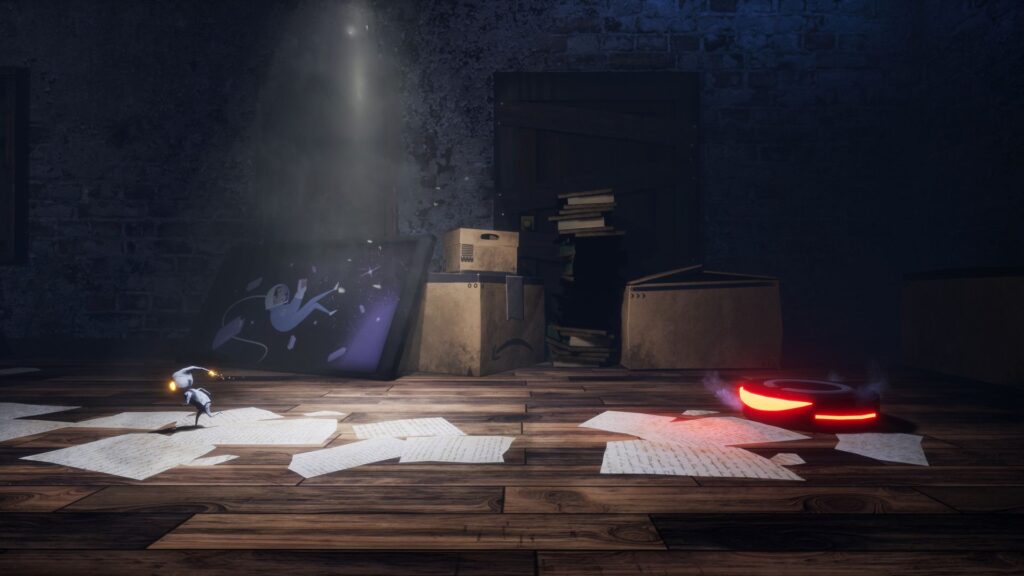
The narrative is deliberately understated. There are no cutscenes explaining what happened, no journal entries filling in the backstory. Instead, the story lives in the environments themselves — in the scale of ordinary objects that tower over Line like monuments, in the photographs pinned to walls, in the toys and scraps of paper scattered across floors. By the time the ending arrives, it lands with a surprising tenderness that you genuinely did not see coming.
Graphics
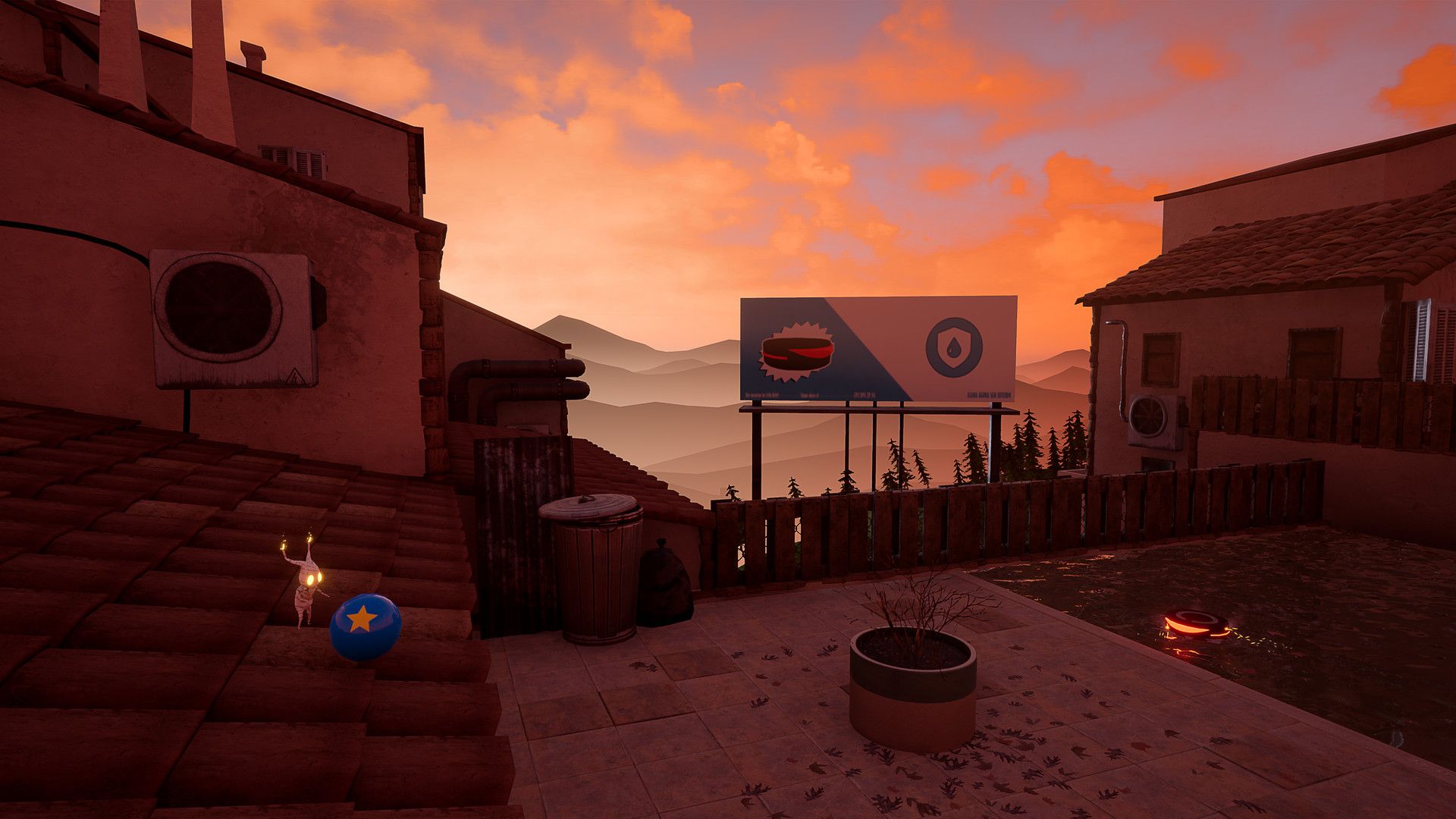
A Tale of Paper has one of the most immediately distinctive visual identities in the genre. The entire world is rendered in stylized 3D, but the art direction leans heavily into a handcrafted, almost tactile aesthetic — surfaces look like painted cardboard, light falls softly across paper textures, and Line herself animates with a delicate, folded fragility that makes her feel genuinely constructed rather than digital.
What impresses me most is how cleverly the team uses scale. Line is tiny, and the environments she moves through are built from recognizable everyday objects — pencils, books, mugs, potted plants — that take on a completely different quality when seen from her perspective. A kitchen counter becomes a towering cliff. A garden becomes an open wilderness. This contrast between the mundane and the monumental gives the game a constant sense of quiet wonder that never fully fades, even as the environments shift from cozy interiors to exposed urban rooftops.
Gameplay
The core loop of A Tale of Paper revolves entirely around Line’s ability to transform into different origami shapes, and the game introduces each form with just enough time to let you appreciate it before moving on to the next idea. The frog form lets you clear wide gaps with a powerful leap. The crab form lets you scuttle sideways through narrow passages. The snail tucks you safely inside a shell when danger passes overhead. None of these mechanics are overly complicated, and that is entirely the point — the game is far more interested in creating a sense of discovery than in challenging your reflexes.
The puzzles themselves are environmental and observational rather than abstract. You are constantly reading the space around you, figuring out which form fits which obstacle, and the solutions almost always feel intuitive once you spot them. There is no combat to speak of, and death is handled gently — Line simply reforms and tries again. The whole experience feels less like a game testing you and more like a game inviting you to explore at your own pace.
Pacing
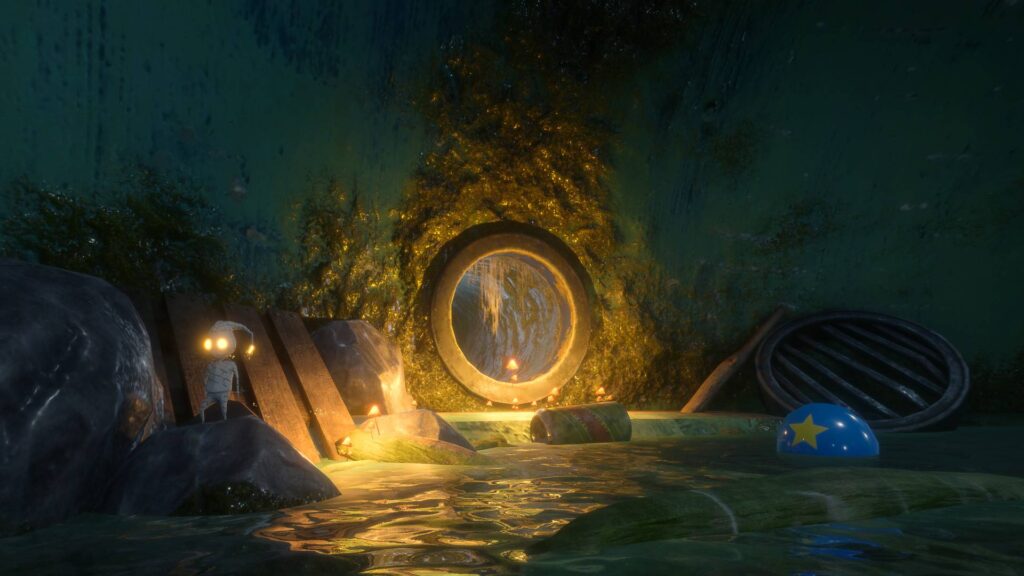
A Tale of Paper moves at a genuinely relaxed pace, and it earns that slowness completely. The game never rushes you. Quiet stretches where you simply walk through a beautifully lit environment — watching Line navigate a windowsill at dusk or pick her way across a rain-soaked rooftop — are treated with the same care as the puzzle sequences. There is a rhythm to it that feels almost musical, expanding and contracting naturally as the environments grow larger and more exposed.
The whole journey clocks in at around three to four hours, and that brevity works strongly in its favour. Every new area introduces a fresh origami form or a new environmental idea, so the experience never settles into repetition. By the time the final act arrives and the tone shifts into something noticeably more melancholic, the pacing has already built up enough quiet momentum that the emotional landing genuinely works.
Atmosphere
The atmosphere of A Tale of Paper is something I find genuinely hard to categorise, which is part of what makes it so memorable. It is warm and cozy in its early sections — the apartment light, the familiar clutter of a lived-in home — but it gradually opens up into something lonelier and more wistful as Line ventures further from where she started. The world feels enormous and indifferent, not hostile, but vast in a way that makes Line’s small determination feel all the more affecting.
The soundtrack does a lot of heavy lifting here, and it does it beautifully. Soft piano and gentle ambient textures accompany almost every section, shifting in tone as the environments change without ever becoming intrusive. Combined with the near-total absence of dialogue or narration, the music and the visuals carry the entire emotional weight of the experience — and they are more than up to the task.
🎮 My honest opinion
A Tale of Paper is the kind of game that is easy to underestimate and genuinely difficult to forget. It does not try to be ambitious in the way that loud, complex games are ambitious. Instead, it sets itself a much quieter goal — to make you feel something small and true — and it achieves that with a level of craft and intentionality that many bigger productions never manage.
What stays with me most is how fully the team committed to the wordless storytelling. There is no safety net of dialogue or exposition here. Everything is communicated through the way a room is arranged, the way the light changes, the way Line moves through a space. That kind of restraint is genuinely hard to pull off, and Open House Games does it with a confidence that feels remarkable for a debut project.
If I have one honest reservation, it is that the puzzle difficulty rarely rises to meet you. Players looking for a genuine mechanical challenge will likely find the origami system a little too gentle. But if you approach A Tale of Paper on its own terms — as a short, handcrafted, atmospheric journey rather than a puzzle game that happens to look beautiful — it delivers something close to quiet perfection.
A Tale of Paper is one of our top picks for genre newcomers — see how it fits into the best cinematic platformers of all time.
Where can I play A Tale of Paper?
A Tale of Paper is available on PC via Steam and on PlayStation 4 and PlayStation 5. An expanded edition called A Tale of Paper: Refolded was released on PlayStation 5, adding new content and refinements to the original experience. It is also available on Xbox Series X/S.
Games similar to A Tale of Paper
If the gentle pacing, handcrafted aesthetic, and wordless emotional storytelling of A Tale of Paper resonated with you, these two cinematic platformers are well worth your time.
Hoa
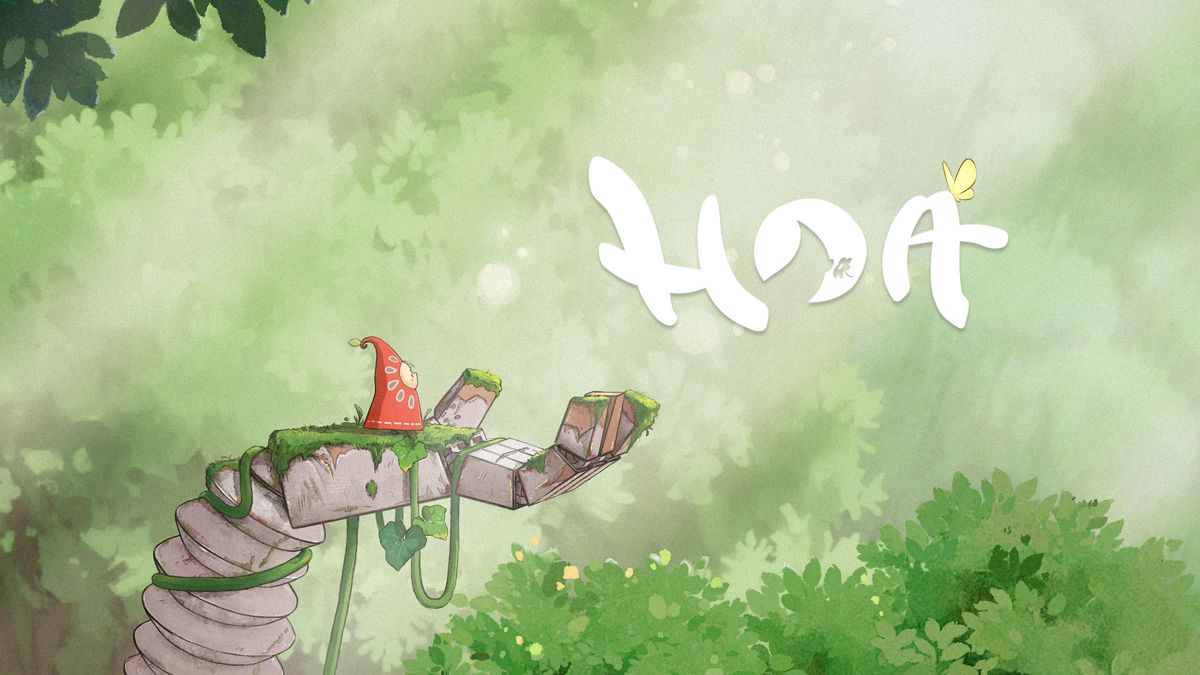
Hoa shares A Tale of Paper’s commitment to peaceful exploration, hand-painted visual beauty, and a completely wordless narrative carried entirely by atmosphere and music. Like Line’s journey, it follows a small, fragile protagonist moving through a world that feels simultaneously dangerous and deeply welcoming, never asking more of you than quiet attention and a willingness to slow down.
Gris

Gris builds its entire experience around visual storytelling, emotional atmosphere, and a protagonist navigating a vast, symbolic world without a single word of explanation. Like A Tale of Paper, it trusts its art direction and soundtrack completely to carry the emotional weight — and the result is one of the most visually stunning and affecting cinematic platformers of the modern era.
If you are drawn to games that use transformation mechanics, everyday-object scale, and handcrafted aesthetics to tell quiet human stories, titles like Paper Mario, Unravel 2, and Ori and the Blind Forest offer wonderful adjacent experiences, even if they sit outside the traditional cinematic platformer genre.