
There is a feeling that the best cinematic platformers give you — and if you have felt it, you know exactly what I mean. The sense of being inside a world rather than playing through one. A protagonist who feels genuinely fragile. A story told entirely through what you see rather than what you are told. Silence used as deliberately as sound.
That feeling is not exclusive to side-scrolling games. A handful of 3D games produce it just as completely — games where the camera is fixed and cinematic, the movement is deliberate, and the atmosphere does the storytelling. Other games, have more of an open world concept – They are not cinematic platformers by the strict definition. But they belong in the same conversation, and if you love this genre, you will almost certainly love these.
Consider this a companion list to the main database — the games that live just outside the genre’s borders, but share everything that makes it special.
Can a 3D game be a Cinematic Platformer?
Yes — if it fits the full definition. The full definition is rooted in deliberate movement, atmospheric world-building, and cinematic presentation — not in 2D specifically. Games like Somerville, Bramble: The Mountain King, Little Nightmares, and Reanimal are fully 3D and confirmed cinematic platformers. What keeps them in the genre is the fixed cinematic camera and linear structure — they behave like 2D games even though they render in 3D. They are already in the database.
What takes a 3D game outside the genre is free movement — a camera you control, a world you explore nonlinearly. That is the real distinction. Not 3D versus 2D, but authored linear world versus open explorable space.
The games below all have that freedom. They are not cinematic platformers. But they share so much of the genre’s soul that leaving them out of the conversation feels wrong. These are the qualities I looked for:
- A vulnerable protagonist in a world not built for them
- Deliberate, committed movement with weight and consequence
- Wordless storytelling — the world carries the narrative
- Atmosphere over action — how it feels to inhabit matters more than how exciting it is to play
If a 3D game has most of these, it belongs here. The games below all do.
The games
None of these games fit perfectly. Some are too exploratory. Some are too open. Some replace platforming with traversal or atmosphere entirely. But all of them understand the same emotional language — loneliness, vulnerability, silence, and the feeling of moving carefully through a world that does not care about you.
ICO (2001)
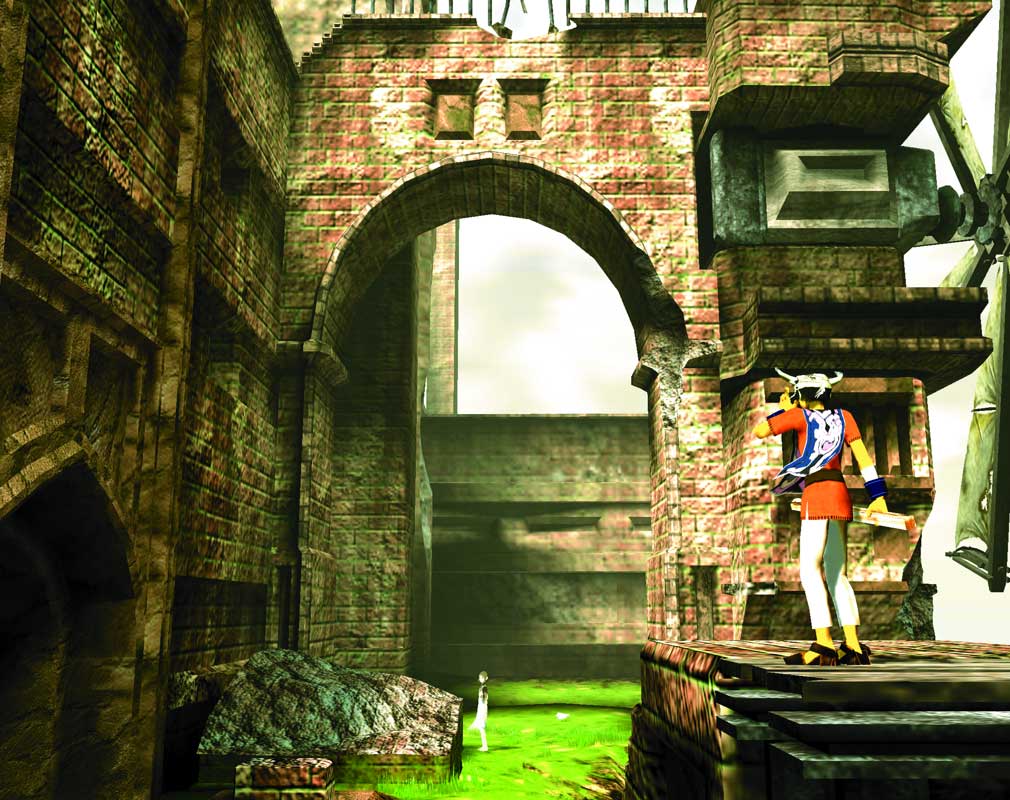
A boy with horns leads a girl through a vast crumbling castle — pulling her by the hand, lifting her over ledges, fighting off shadow creatures that try to drag her away. No dialogue either of them understands. No explanation. Just two children in a world that is ancient and indifferent and occasionally heartbreaking.
Why it belongs here: ICO is the closest a 3D game has ever come to the cinematic platformer spirit — and Fumito Ueda has cited Another World as a direct influence. The wordless companion dynamic, the deliberate movement, the specific vulnerability of two small figures in an enormous hostile world. It is all there.
What sets it apart: Full 3D exploration with a free camera. But honestly — the soul is the same.
Shadow of the Colossus (2005/2018)
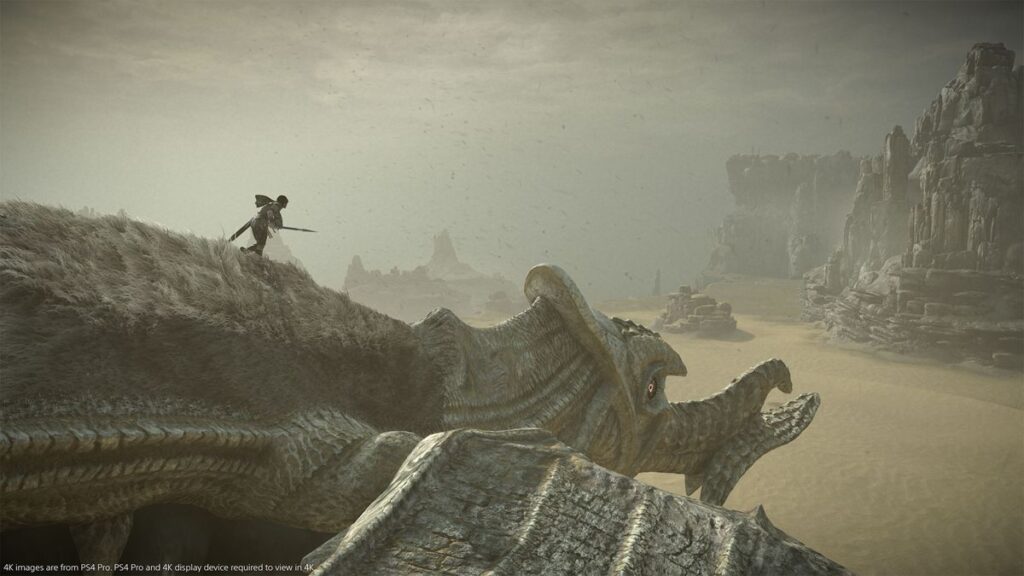
A young man rides alone across a vast silent landscape to fight sixteen colossi — enormous creatures that are the only living things in the world. The spaces between fights are empty and beautiful and slightly wrong. I find those spaces more affecting than the fights themselves.
Why it belongs here: The wordless storytelling, the deliberate pacing, the feeling of being genuinely small in a world built for something much larger than you. The emotional weight is communicated entirely through atmosphere — never through exposition.
What sets it apart: The colossi battles are demanding in a way cinematic platformers rarely are. But everything around them belongs here completely.
Brothers: A Tale of Two Sons (2013/2024)
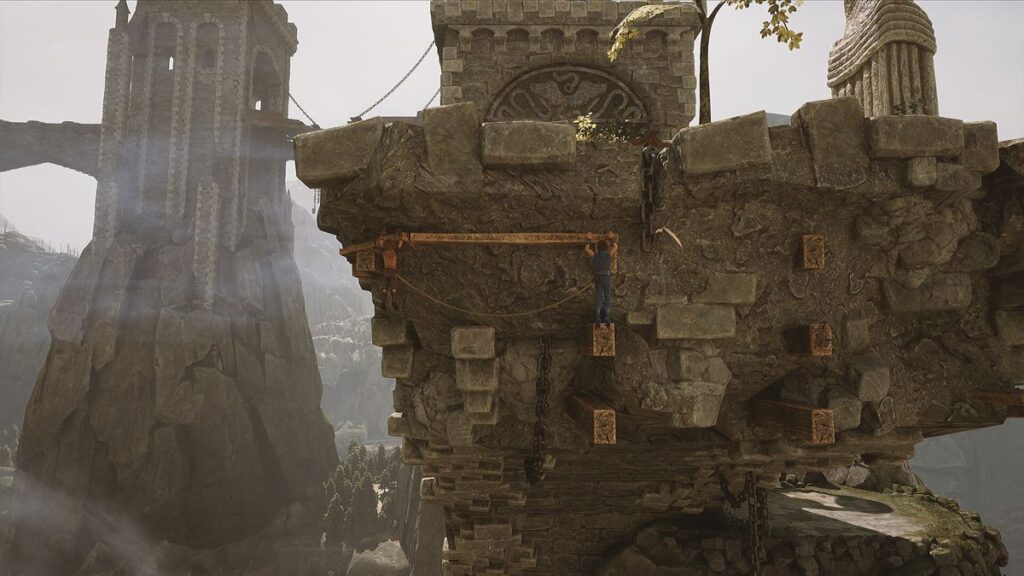
Two brothers set out to find a cure for their dying father — each controlled simultaneously by a different thumbstick. Your left hand is the older brother. Your right hand is the younger one. You never stop controlling both. What that mechanic does in the final act is one of the most quietly devastating things I have experienced in a game, and I will not say more than that.
Why it belongs here: Wordless storytelling, a vulnerable protagonist in a hostile world, deliberate movement, and an emotional payoff delivered entirely through mechanics and image rather than dialogue. The fairy-tale world is beautiful and gradually reveals itself as genuinely dark. Pure cinematic platformer spirit in 3D.
What sets it apart: The dual-stick control mechanic is unlike anything else in this list — or in the genre. It is the game’s greatest strength and the thing that makes it irreducibly its own.
Rain (2013)
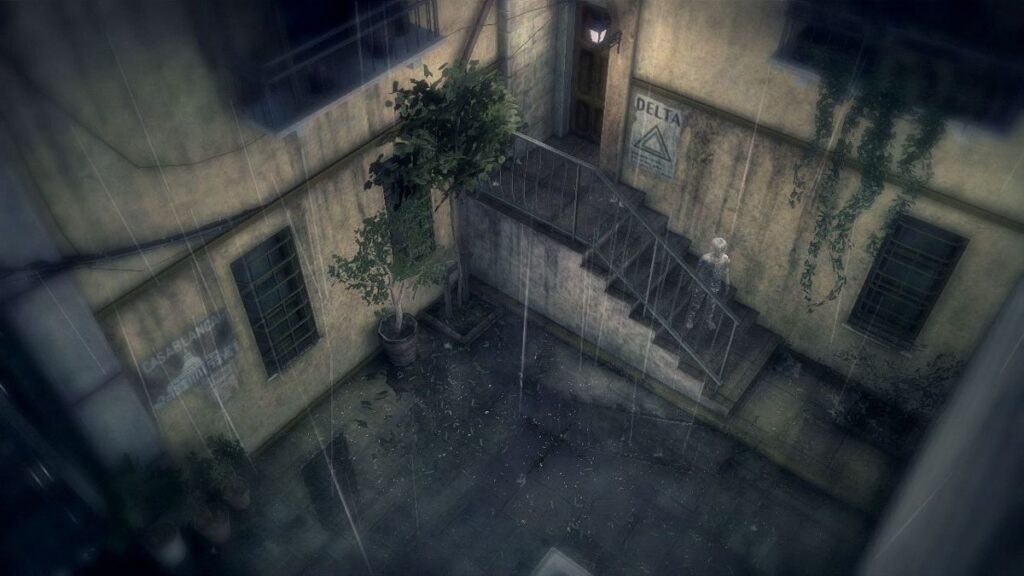
A boy sees a girl in the rain — and she is only visible when the rain falls on her. He steps outside and discovers he has become invisible too, only present in the world when water touches him. They move through a sleeping city together, visible only in the downpour, hunted by creatures that are also made of rain.
Why it belongs here: The premise alone is pure cinematic platformer instinct — a small, invisible, vulnerable protagonist navigating a world that cannot fully see them, with a companion whose presence is felt more than seen. The atmosphere is genuinely distinctive and the stealth sections create a specific dread that the genre does well.
What sets it apart: 3D free movement through a city environment rather than a linear side-scrolling world. And the rain mechanic, while beautiful, occasionally makes navigation genuinely frustrating.
ABZÛ (2016)
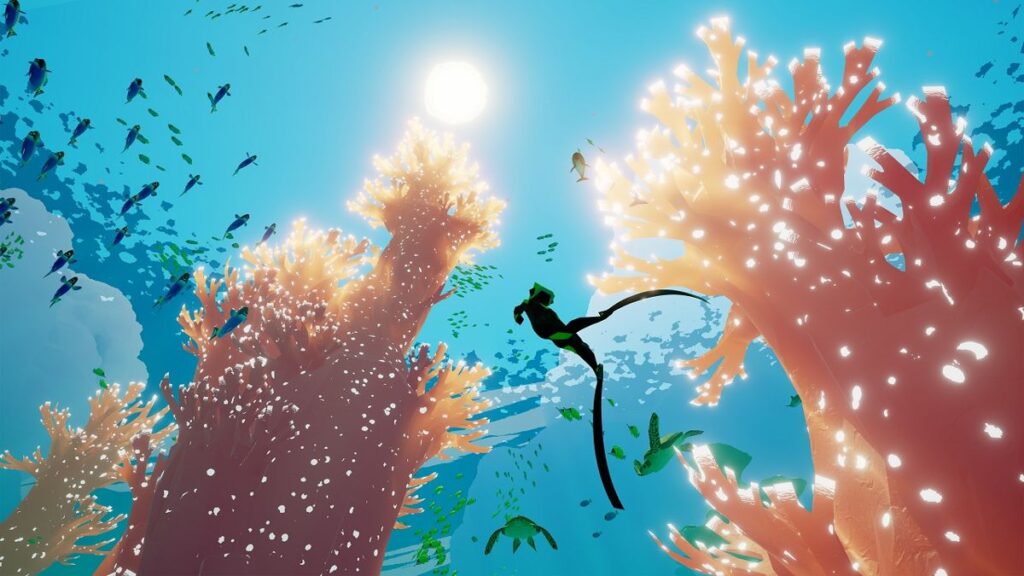
A diver descends into a vast, ancient ocean — swimming through schools of fish, past ruins of a civilisation that existed before memory, toward something enormous and quiet waiting at the bottom. No dialogue. No explanation. Just the ocean and what lives in it.
Why it belongs here: ABZÛ shares Silt’s instinct for the underwater world as a place of ancient indifference and unexpected beauty — wordless, atmospheric, and built around the specific feeling of being small in something vast. The visual storytelling is extraordinary and the emotional arc, told entirely through what you see, lands with real force by the end.
What sets it apart: The movement is fluid and graceful rather than deliberate and committed — this is a game about wonder rather than survival. The closest thing to a meditative experience on this list.
Burning Daylight (2019)
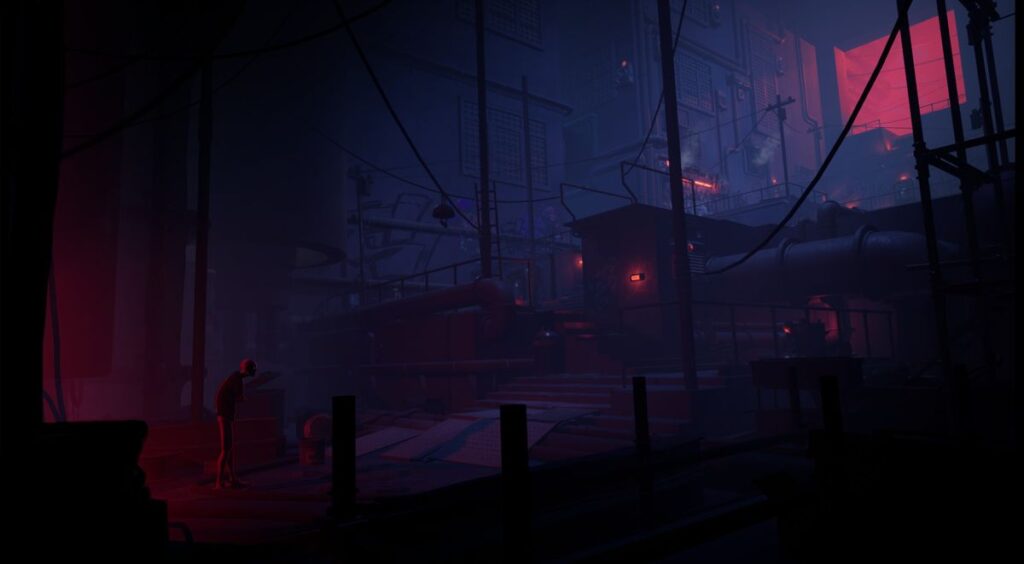
You wake up naked in a slaughterhouse with no memory of who you are. You escape into a vast dystopian megastructure — from underground slums to neon city streets — following a story told entirely through the world around you. Made by twelve animation students from Denmark in their final year. Free on Steam. Forty minutes long.
Why it belongs here: Every reviewer mentions Inside in the same breath — the cinematic camera angles, the environmental storytelling, the atmospheric dystopian world. One described it as “a cross between Blade Runner and Pink Floyd’s The Wall.” For a student project it is remarkable, and the soul is unmistakably cinematic platformer.
What sets it apart: Fully 3D with free movement, closer to a walking simulator than a platformer. Almost no actual platforming. But the atmosphere and the cinematic presentation earn it a place in this conversation.
Journey (2012)
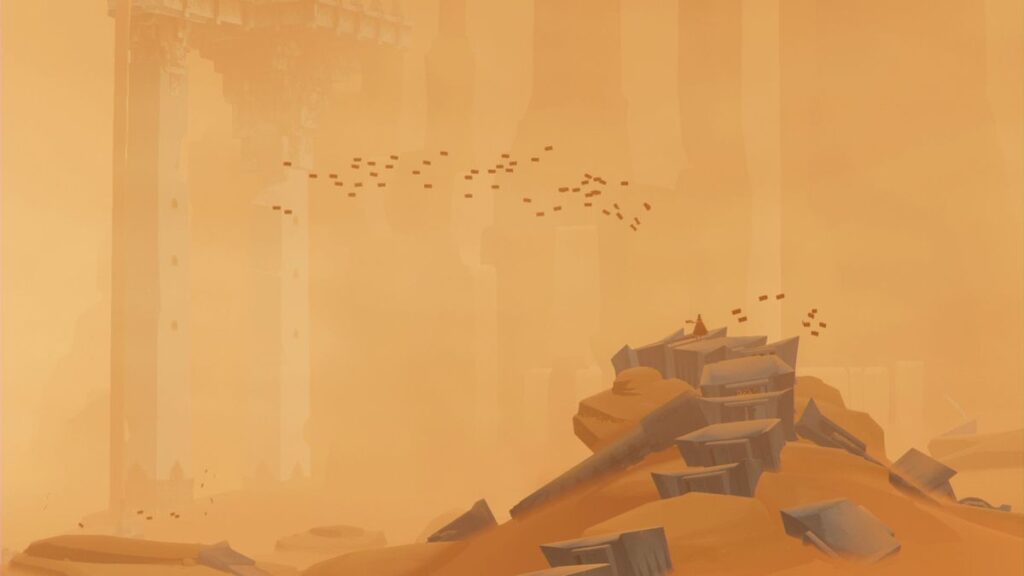
A robed figure moves through a vast desert toward a distant mountain. No dialogue. No explanation. No map. Just the sand, the wind, and occasionally another player — a stranger who joins your journey without warning, communicates only through chirps and gestures, and may or may not still be there when you reach the end. Developed by thatgamecompany and published by Annapurna Interactive. Two hours long. One of the most affecting experiences in gaming.
Why it belongs here: Journey shares the cinematic platformer’s most essential quality — the feeling of being somewhere rather than playing something. The wordless storytelling, the deliberate pace, the specific emotional weight of moving through a world that is ancient and vast and not built for you. Austin Wintory’s score adapts dynamically to your movement. The anonymous co-op turns a solitary journey into something quietly communal without ever explaining itself. Pure cinematic platformer soul in a desert.
What sets it apart: Almost no challenge whatsoever — you cannot fail, you cannot die, you can only move forward. The furthest thing from the trial-and-error of the classic cinematic platformer. But the feeling it produces is the same. That is the whole point of this article.
Vane (2019)
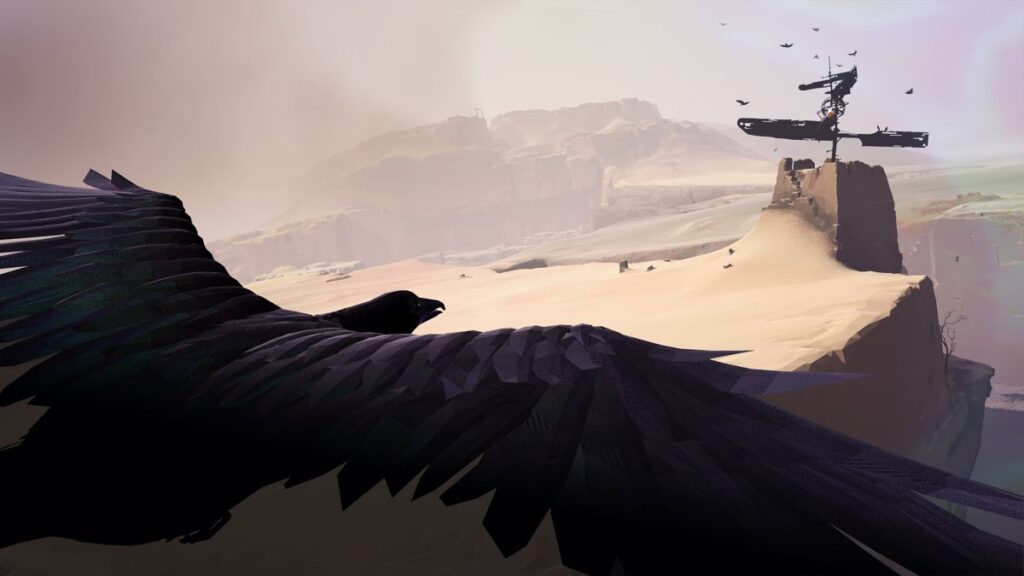
A bird soars over a vast desolate desert — alone, directionless, in a world that is beautiful and slightly wrong. When golden dust transforms the bird into a child, the game shifts entirely: slower, more deliberate, more grounded. The two forms alternate throughout, each revealing different aspects of a world that never explains itself and never apologises for it.
Why it belongs here: Vane wears its ICO and Journey influences openly — The wordless storytelling, the atmospheric desolation, the specific feeling of being small in something vast and ancient — it is all there. The child sections in particular have a deliberate, committed movement quality that the genre would immediately recognise. I found it genuinely affecting in ways I did not anticipate.
What sets it apart: Completely divisive — some people consider it one of the most atmospheric experiences in gaming, others find it barely a game. The lack of guidance is absolute and the controls can be maddening. I think it earns its place here. But go in knowing what you are getting into.
Omno (2021)
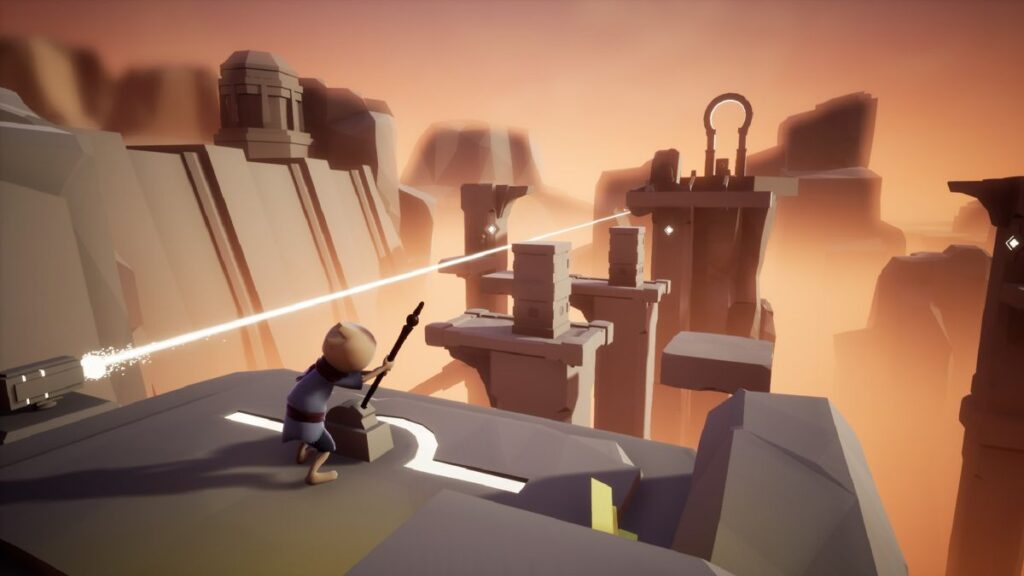
A small staff-wielding traveller moves through a sequence of ancient landscapes — forests, deserts, frozen tundra, luminous alien environments — solving gentle puzzles, riding creatures, and gradually piecing together the history of a civilisation that came before. Solo developer Jonas Manke. No combat, no dialogue, no death.
Why it belongs here: Omno is the gentlest game on this list and one of the most quietly affecting. The wordless storytelling, the deliberate pace, the specific feeling of being a small figure in ancient spaces that were built for something long gone — it shares Journey’s soul more than almost anything else here. Made by one person over several years, and it shows in the care of every environment.
What sets it apart: Very low challenge — Omno is more meditative journey than platformer. The puzzles are minimal and the movement is forgiving. If Journey felt too short and too easy, Omno is the longer, quieter answer to the same impulse.
The Last Guardian (2016)

A boy wakes in a ruined temple with a vast, feathered creature chained beside him. The creature — Trico — is wounded, frightened, and does not entirely trust him. What follows is one of the most affecting relationships in gaming, built entirely without shared language, through shared danger and the slow accumulation of trust.
Why it belongs here: The Last Guardian is the strongest case on this list. Deliberate movement, wordless storytelling, a vulnerable child in a world built for something far larger, and a companion dynamic that communicates more through physical gesture than any dialogue system ever could. Fumito Ueda’s third game, after ICO and Shadow of the Colossus, and the most emotionally complete of the three.
What sets it apart: The companion AI — Trico behaves like a real animal, which means he occasionally ignores you, gets distracted, and takes time to respond. Some players find this frustrating. I find it the most honest depiction of an animal relationship in any game.
RiME (2017)
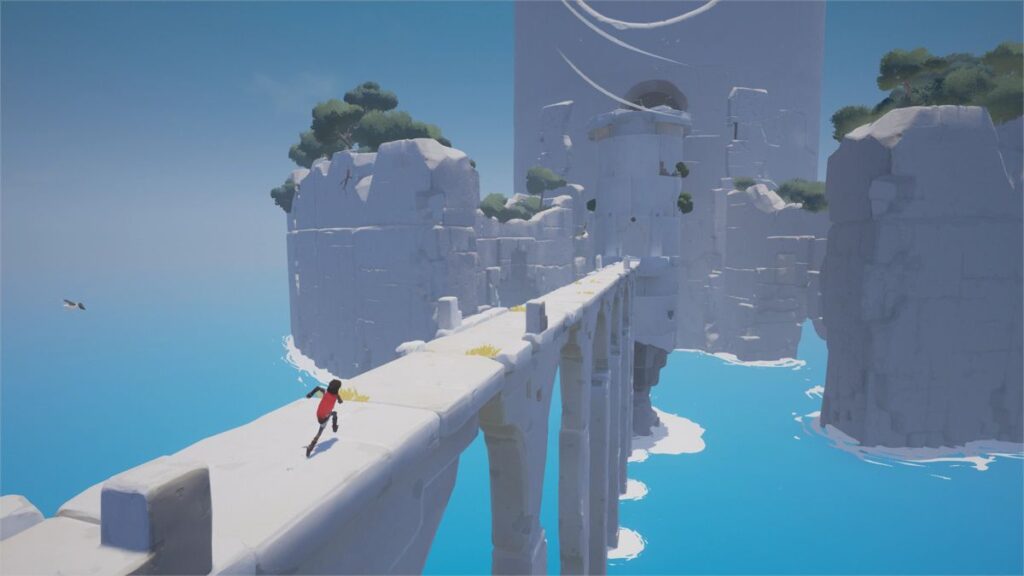
A boy washes ashore on a sunlit island with no memory of how he got there. He follows a mysterious figure in a red cloak who always stays just out of reach. The island is beautiful. Something about it is quietly, persistently wrong — and the game takes its time letting you understand what.
Why it belongs here: RiME is the game I recommend most often to people who loved ICO and want something modern that captures the same spirit. Vulnerable child, wordless storytelling, linear environmental puzzles, an ending that reframes everything before it. The debt to ICO is obvious. The emotional payoff is its own.
What sets it apart: The ending is divisive — I found it devastating. Others find it manipulative. Worth discovering for yourself.
Arise: A Simple Story (2019)
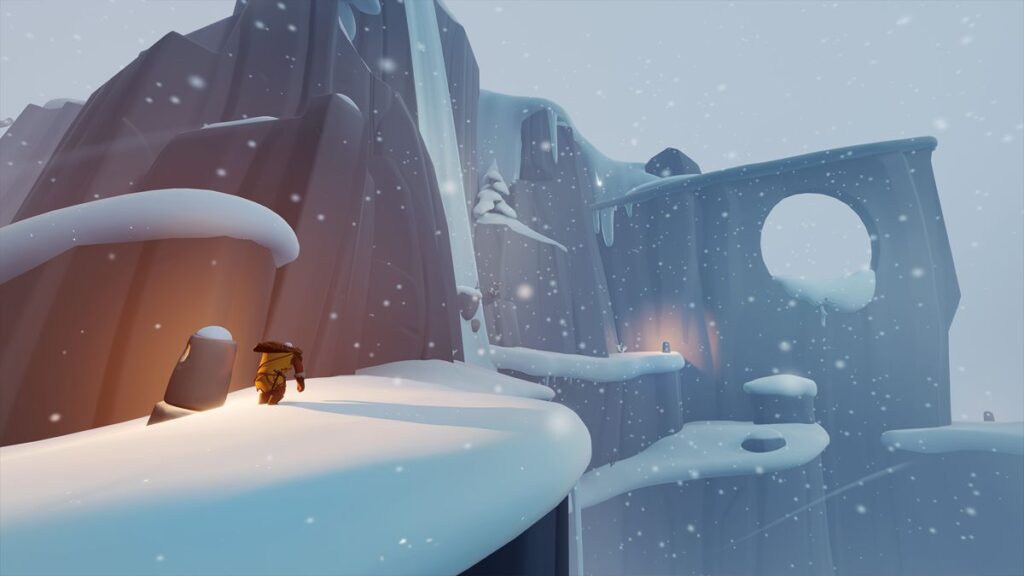
An old man dies and relives the memories of his life — with the ability to manipulate time within each one. Rewind a river to cross it. Fast forward through a blizzard to find shelter. The game is about what a life looks like when you hold it all at once.
Why it belongs here: This is the most underrated game on this list and the one I think about most. Wordless, deliberate, emotionally serious in a way that catches you off guard. The time mechanic serves the story rather than the gameplay — each memory is a small world told entirely through atmosphere and movement. I was not prepared for how much it affected me.
What sets it apart: More explicitly adult in subject matter than anything else here. This is a game about grief, memory, and love — and it earns every emotion it asks for.
Candleman (2017)
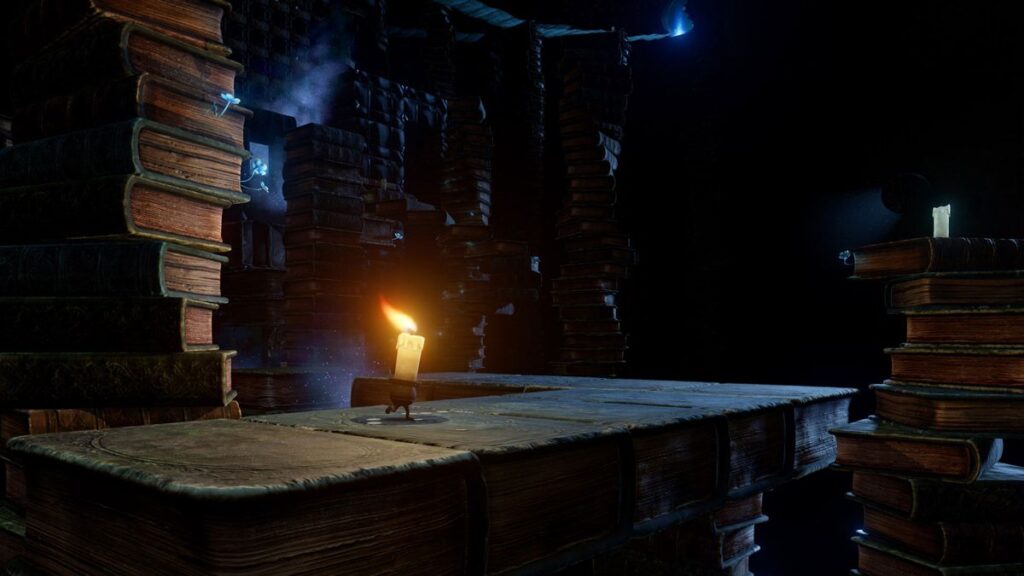
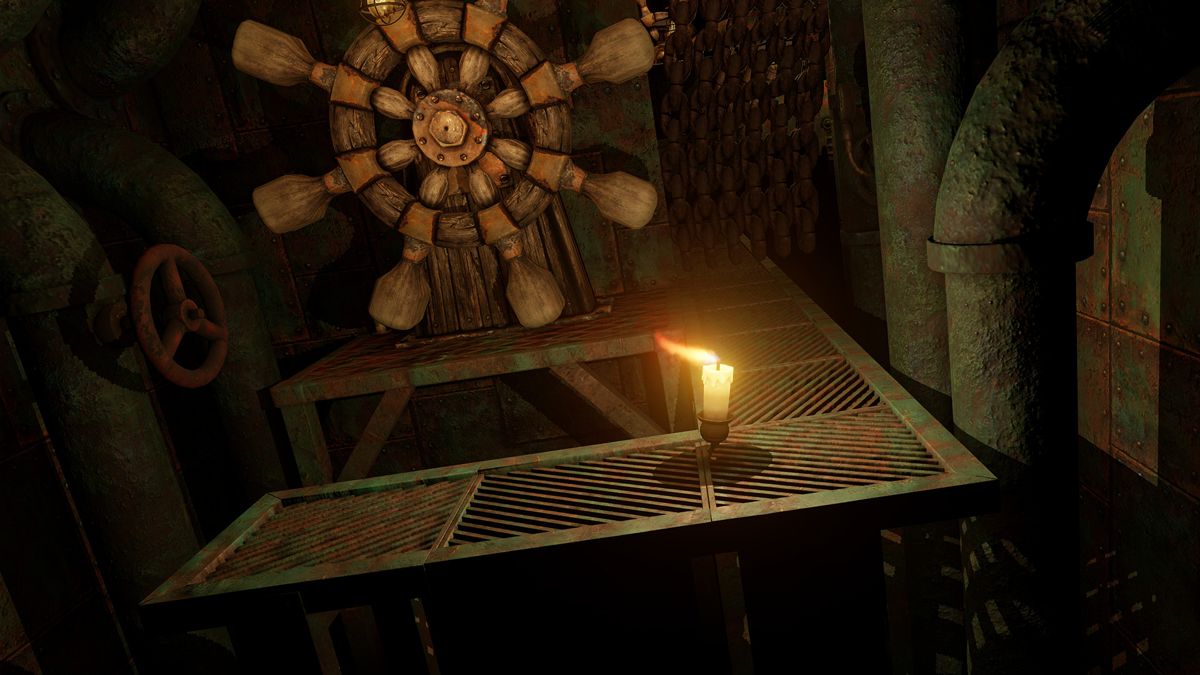
A small candle wakes alone in the hold of a vast dark ship and sets out toward a distant lighthouse. He can burn for ten seconds at a time — lighting the world around him just long enough to see what is there, then darkness again. Every second of light is a resource and a decision.
Why it belongs here: The mechanic is pure cinematic platformer instinct — a tiny, fragile protagonist in an enormous hostile world, with a resource system that creates genuine tension without combat or enemies. The darkness is oppressive in exactly the right way. I found myself rationing light like it was something precious, which is exactly what the game wanted me to feel.
What sets it apart: Full 3D free movement — and the light mechanic, while beautiful, occasionally makes navigation genuinely difficult in ways that feel accidental rather than designed. But the atmosphere more than compensates.
Stray (2022)
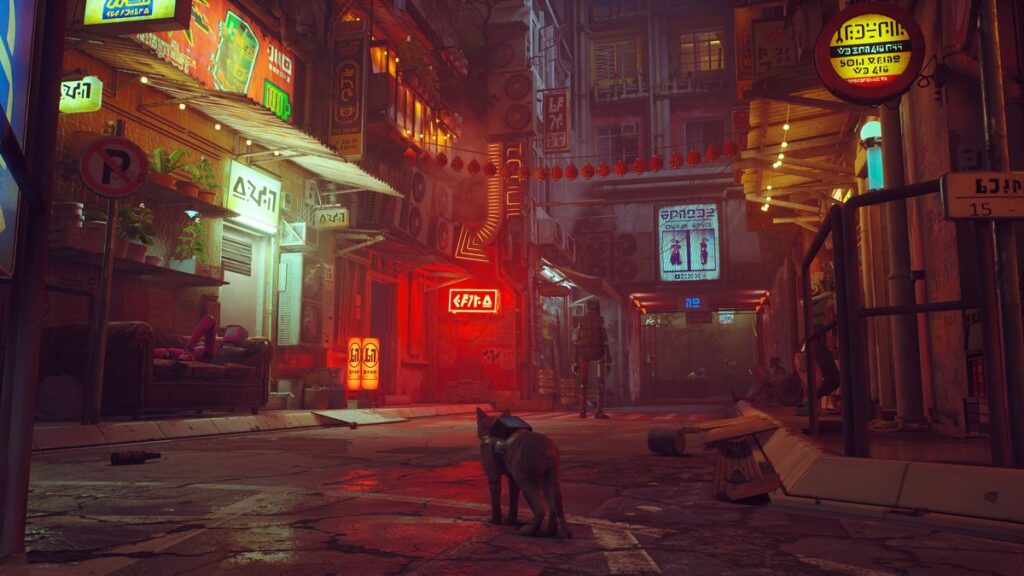
A cat gets separated from its family and falls into a vast underground city populated entirely by robots. The cat does not understand what the robots want. The robots do not entirely understand the cat. Neither do you, for a while. It is one of the most immediately charming premises in recent gaming — and it delivers on it completely.
Why it belongs here: You navigate a cyberpunk world as something small, curious, and completely outside the systems built around you — which is the cinematic platformer’s core power dynamic in a completely different skin. The environmental storytelling is excellent and the atmosphere is genuinely distinctive.
What sets it apart: The movement is not deliberate in the cinematic platformer sense — you press a button and the cat handles the rest, which removes the physical consequence that defines the genre. And the chase and stealth sections push toward conventional game design. Stray earns its place here through atmosphere and protagonist concept more than through movement philosophy — which makes it the most borderline entry on this list, and worth knowing about regardless.
Tomb Raider (1996)

Lara Croft explores ancient ruins, flooded caverns, and frozen tundra — alone, with no allies, no explanation, and no map that makes the world feel safe. The early Tomb Raider games have a specific loneliness that most 3D games never captured before or since. Vast ancient spaces, deliberate movement, and the persistent feeling that you are somewhere you were never meant to be.
Why it belongs here: Lara moves with committed physicality — she grabs ledges, dies from falls, and navigates environments that feel authored and dangerous rather than generated. The atmospheric environmental storytelling and the deliberate pace put it closer to this list than almost any other 3D game of its era.
What sets it apart: Combat, inventory management, and a free camera give it an action-adventure identity that sits outside the cinematic platformer tradition. The most debated entry on this list — and the one that most makes me question where the genre’s borders should be.
Other 3D Games close to the genre
Not every game that deserves a mention here earned a full entry. A few worth knowing about:
Blanc (2023) — A hand-drawn black and white cooperative adventure following a wolf cub and fawn through a snowy winter landscape. Open world exploration with a fixed cinematic camera, no combat, and a wordless companion dynamic built around two very different animals learning to trust each other. Made by French studio Casus Ludi. Beautiful, slightly undercooked, and worth playing with the right person.
The 3D Games that made the database — and why
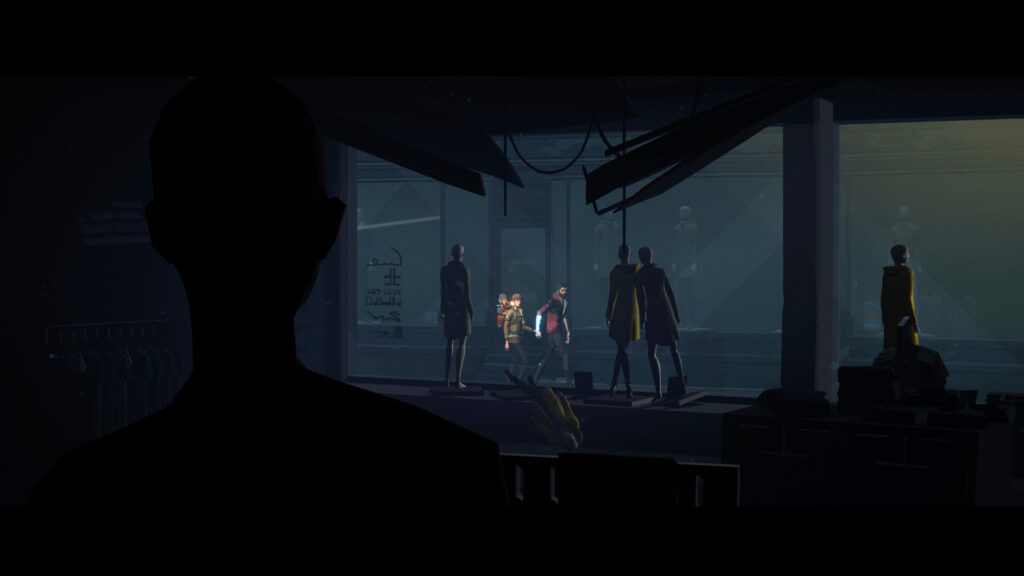
A few games in the cinematic platformer database are worth mentioning here because they sit in genuinely ambiguous territory — technically 3D but structured and presented in ways that keep them firmly within the genre.
Somerville (2022) is rendered in 3D with dynamic lighting and depth, but the fixed cinematic perspective and linear structure function exactly like a 2D cinematic platformer. It belongs in the database and on this list simultaneously.
Bramble: The Mountain King (2023) uses 3D environments but moves through them with the deliberate, composed pacing of a classic cinematic platformer. The fixed camera and linear world keep it in the genre despite the technical presentation.
Shady Part of Me (2020) switches between 2D and 3D dimensions simultaneously — arguably the most interesting technical borderline case in the database. The 3D sections have free movement, the 2D sections do not. It earns its database entry through the overall design philosophy rather than any single technical characteristic.
Reanimal (2026) and Little Nightmares — both fully 3D, both with fixed cinematic cameras and deliberate movement. The genre’s modern horror branch has always operated in 3D without anyone seriously questioning whether it belongs.
The honest conclusion: the line between cinematic platformer and 3D adjacent is not drawn at technical presentation. It is drawn at design philosophy — and these games have the philosophy, whatever dimension they operate in.