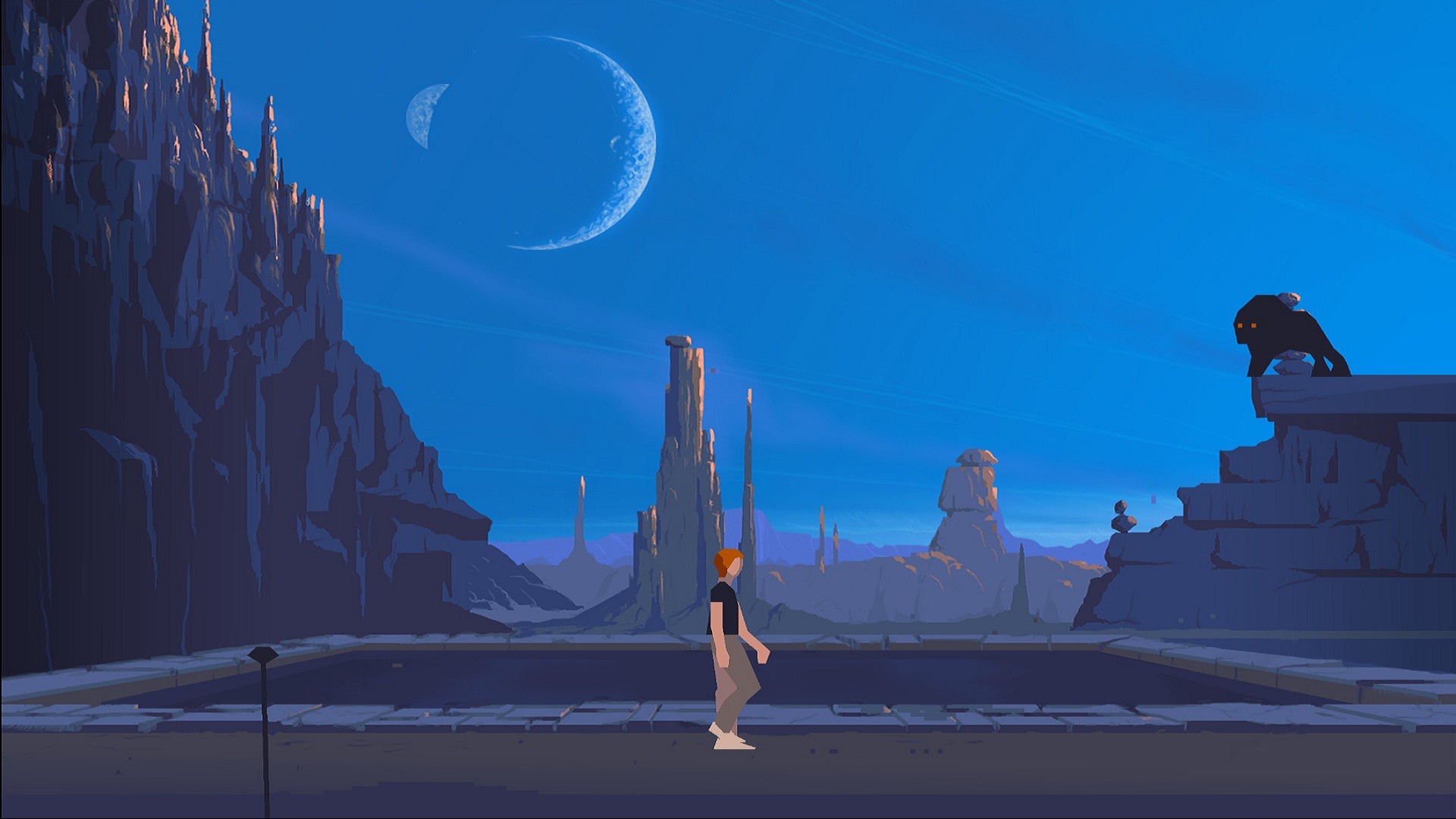
Another World came out in 1991 and I am still looking for something that fully replaces it. I have found games that capture pieces of it — the atmosphere, the wordless storytelling, the specific loneliness of being somewhere hostile and alien — but nothing that does all of it at once. That is probably the point. Another World is one of those games that leaves a mark, and the search for something that scratches the same itch is half the pleasure.
This is that search, organised by what drew you to Another World in the first place. Whether it was the atmosphere, the trial-and-error gameplay, the alien world, or just the feeling of being dropped somewhere with no explanation and no map — there is something on this list for you.
The games closest to Another World
If you want the short answer: Flashback is the most direct classic successor — same studio, same era, same DNA. Heart of Darkness is what Éric Chahi himself made next, seven years later, darker and more elaborate. And Heart of the Alien is the controversial Sega CD sequel that tells the story from the companion’s perspective — made without Chahi’s involvement, and not universally loved, least of all by Chahi himself. But I liked it 🙂 And honestly, it is a very similar game to the original!
For modern alternatives, Full Void is the game that most faithfully recreates what Another World actually felt like to play, and Inside is the one that best captures what it meant.
If any of those five sound like exactly what you were looking for, you already have your answer. If you want to go deeper — by era, by atmosphere, by gameplay feel — everything below is for you.
Modern games like Another World
The cinematic platformer never went away — it just got quieter for a while. These are the modern games that carry Another World’s DNA most clearly: wordless, atmospheric, and built around the specific pleasure of figuring out a hostile world one death at a time.
Replaced (2026)
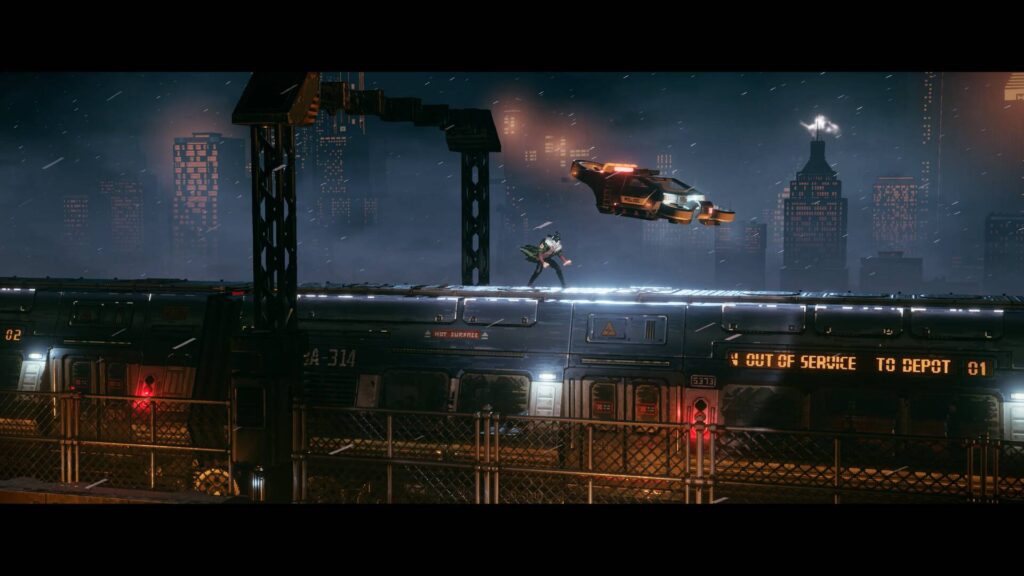
A noir cyberpunk platformer set in an alternate 1980s America — pixel art so cinematic it barely feels like a game. You play as an AI installed in a dead man’s body, navigating a neon-drenched city with no idea why you are there.
Why it feels like Another World: That specific feeling of being completely out of place in a world not built for you — told entirely through image and atmosphere, no exposition needed.
What sets it apart: Longer, more action-heavy, and considerably more ambitious in scope. Where Another World strips everything back, Replaced piles it on.
🛒 Buy Replaced DRM free on GOG
Bionic Bay (2025)

A precision platformer set in a vast biomechanical world — dark, wordless, and built around being somewhere ancient and indifferent that wants you dead.
Why it feels like Another World: A tiny fragile human, an environment that kills you creatively, and absolutely no explanation of the rules. You learn by dying. Sound familiar?
What sets it apart: Considerably harder, and the physics abilities give you tools Lester never had. Where Another World is about survival, Bionic Bay is about mastery.
Full Void (2023)
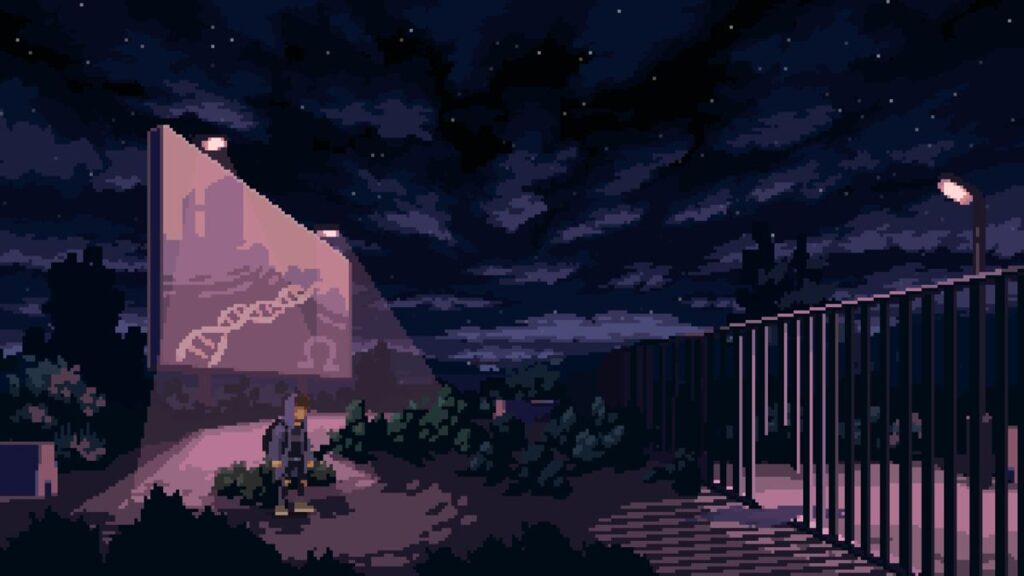
A pixel art cinematic platformer from a small London studio that grew up on Another World and does not try to hide it. The fixed screens, the committed movement, the death animations — all direct tributes.
Why it feels like Another World: This is the most faithful modern homage to the actual feel of playing Another World — the structure, the pacing, the trial-and-error rhythm. Nothing else comes as close.
What sets it apart: A hacking mechanic gives it its own identity, and the checkpoints are far more generous. It respects your time in a way Chahi never felt obliged to.
Lunark (2022)
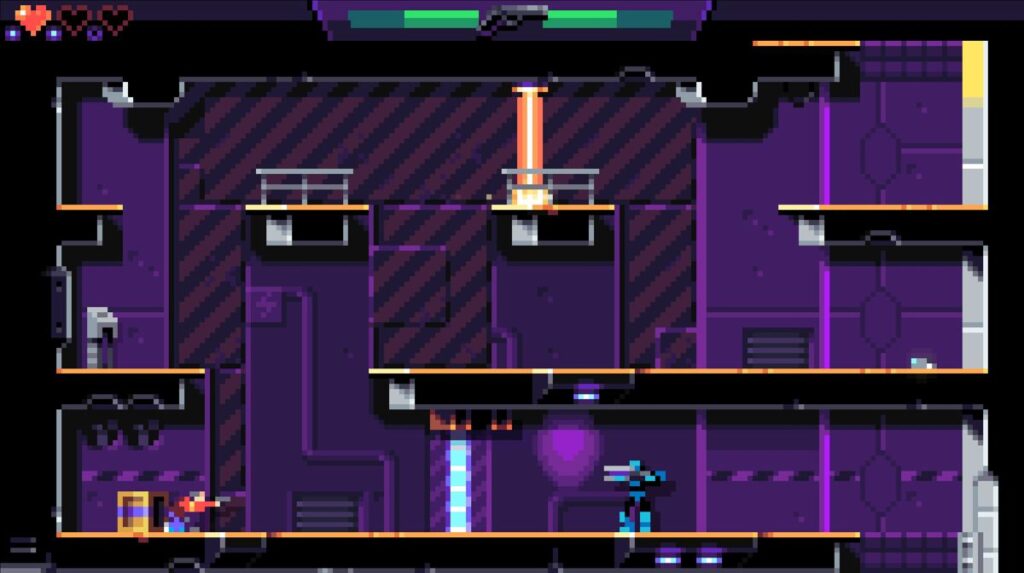
A love letter to early 90s cinematic platformers — rotoscoped animation, fixed screens, deliberate movement — made by a single developer over several years. It wears its influences openly and earns every one of them.
Why it feels like Another World: Lunark moves like Lester. That same weight, that same consequence to every action. The sci-fi atmosphere and wordless storytelling reinforce the connection throughout.
What sets it apart: Longer and more explicitly narrative than Another World. Where Chahi’s game is a sprint, Lunark is a full journey.
The Eternal Castle Remastered (2019)
![The Eternal Castle [REMASTERED] Screenshot](https://cinematicplatformers.com/wp-content/uploads/2026/04/The-Eternal-Castle-Screenshot-1-1024x576.png)
Presented as a fictional remaster of a lost DOS game that never existed — fake CRT scanlines, deliberately degraded visuals, a retro aesthetic so committed some players genuinely wondered if the original was real. It was not. Made from scratch in 2019.
Why it feels like Another World: Fixed screens, deliberate movement, sparse storytelling, a world that kills you without apology. It feels like a game from the same era because it was designed to.
What sets it apart: Self-consciously referential in a way Another World never was — a game about the genre as much as a game in it. Shorter, stranger, and more replayable.
Inside (2016)
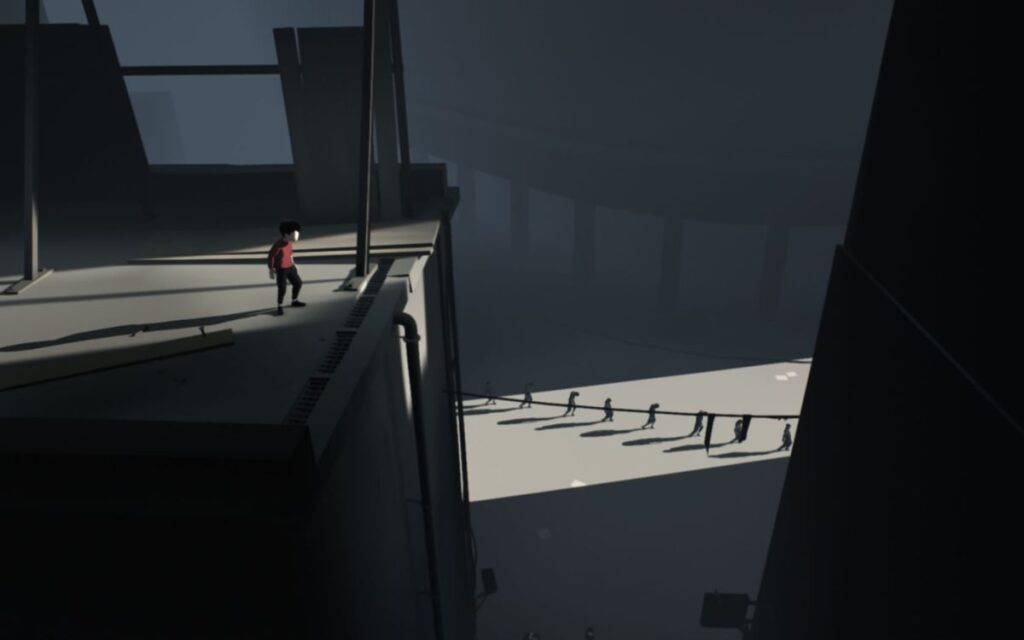
Playdead’s follow-up to Limbo — wordless, grey, deeply wrong. A small boy moves through an authoritarian world toward an ending that nobody who has reached it has fully agreed on. One of the most discussed games of the last decade.
Why it feels like Another World: Total commitment to wordless storytelling, atmospheric minimalism, and letting the environment carry everything the story needs to say. Both games end on notes that stay with you.
What sets it apart: Inside is about dread rather than survival. The horror is human and recognisable rather than alien and abstract — which somehow makes it worse.
Classic cinematic platformers like Another World
Another World did not appear from nowhere — it had predecessors, and it inspired a wave of games that defined the genre throughout the 1990s. These are the classics that share its DNA most closely, made by developers who were either directly inspired by Chahi or working from the same instincts at the same moment in history.
Flashback (1992)

A sci-fi action platformer from Delphine Software — the same studio that published Another World — following a scientist with amnesia navigating a conspiracy across multiple alien worlds. The most direct successor in the genre.
Why it feels like Another World: The rotoscoped movement, the sci-fi atmosphere, the deliberate pacing, and the screen-by-screen structure are all directly inherited. Flashback feels like Another World with more content and more story.
What sets it apart: Flashback is longer, more mechanically complex, and more explicitly narrative. Where Another World strips everything back, Flashback leans in — more dialogue, more objectives, more world.
Heart of Darkness (1998)
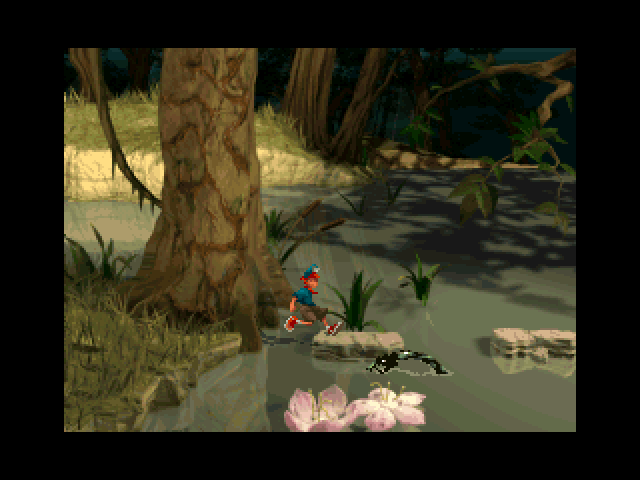
Éric Chahi’s own follow-up — seven years in development, hand-drawn rather than polygon-based, darker and more elaborate than anything he had made before.
Why it feels like Another World: It is literally made by the same person, with the same philosophy — cinematic presentation, wordless storytelling, trial-and-error gameplay, and a world that kills you inventively and often.
What sets it apart: Heart of Darkness is more visually ambitious and more tonally dark than Another World, with elaborate death animations and a gothic fantasy setting that replaces the alien world with something closer to nightmare.
Bermuda Syndrome (1995)
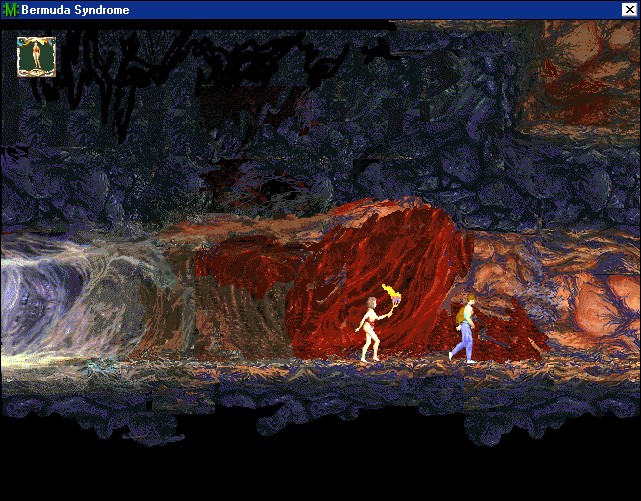
A French cinematic platformer that dropped a fighter pilot into a prehistoric world populated by dinosaurs and a damsel in genuine distress. Obscure, underplayed, and surprisingly good.
Why it feels like Another World: The fish-out-of-water premise — an ordinary person dropped into a completely alien environment with no explanation — is pure Another World. The deliberate movement and trial-and-error structure reinforce the kinship throughout.
What sets it apart: Bermuda Syndrome is warmer and more explicitly narrative than Another World, with a developing relationship between the pilot and the woman he is trying to rescue that gives it an emotional dimension Chahi’s game never attempted.
Oddworld: Abe’s Oddysee (1997)
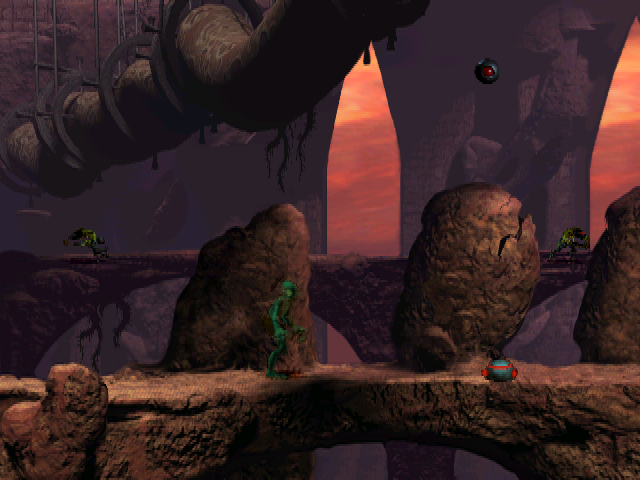
A cinematic platformer about a factory slave who accidentally discovers his people are about to become food and escapes — leading others to freedom across a grotesque industrial world. One of the most original games of the 1990s.
Why it feels like Another World: The sense of being small and powerless in a world built to exploit you, the screen-by-screen structure, and the specific satisfaction of outsmarting an environment designed to kill you are all recognisably shared.
What sets it apart: Abe’s Oddysee adds voice, dark humour, and a social conscience that Another World never had. It is funnier, angrier, and considerably more politically pointed.
onEscapee (1997)

A British cinematic platformer made by a two-person team, following an abducted human trying to escape an alien world. One of the most faithful Another World successors ever made — and one of the least known.
Why it feels like Another World: More directly than almost any other game on this list — the alien abduction premise, the wordless storytelling, the fixed screens, the deliberate movement, and the hostile extraterrestrial environment are all straight from the Chahi playbook.
What sets it apart: onEscapee is rougher around the edges than Another World and considerably more obscure, but for genre completionists it is essential. It is the most direct tribute on this list and deserves far more attention than it gets.
Heart of the Alien (1994)

The controversial Sega CD sequel to Another World — telling the same story from the alien companion’s perspective, with full motion video cutscenes and a darker, more violent tone. Made without Éric Chahi’s involvement, released on a console almost nobody owned, and ending in a way that upset a lot of people. Chahi has never hidden his feelings about it.
Why it feels like Another World: It is literally a continuation of the same world, the same characters, and the same visual language. If you want to know what happened next, this is the only place that answers the question.
What sets it apart: Harder, darker, and more controversial than Another World in almost every respect. Though i liked it, approach it as a curiosity rather than a recommendation — an alternate universe version of what Another World could have become in someone else’s hands.
Games like Another World for the alien world and atmosphere
Another World’s alien planet is not just a backdrop — it is a presence. The sense of being somewhere vast, ancient, and completely indifferent to your survival is what makes it unforgettable. These games chase that same feeling: worlds that feel genuinely otherworldly, where the atmosphere does as much work as the gameplay.
Planet Alpha (2018)
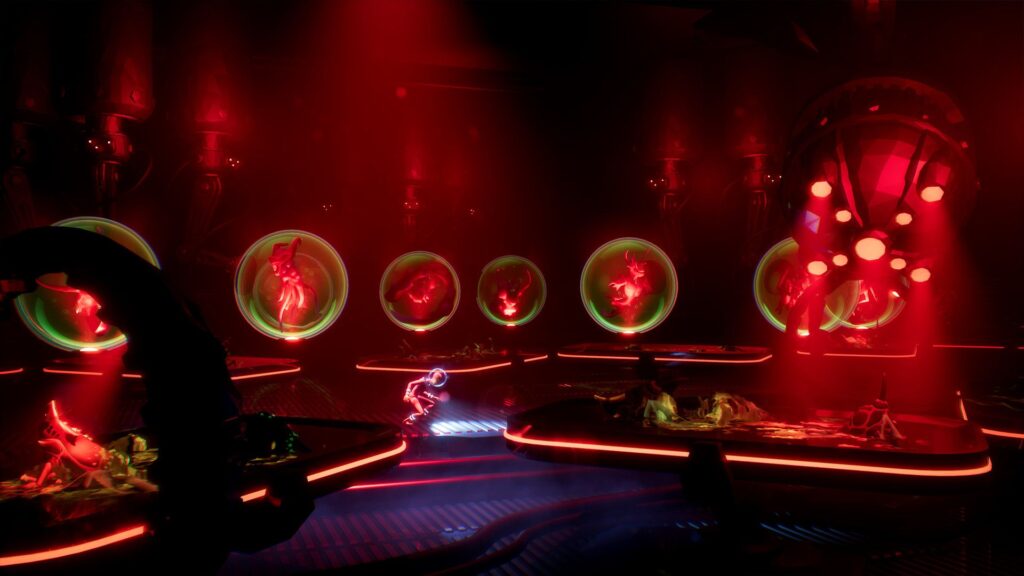
A side-scrolling platformer set on a stunning alien planet where you can manipulate time between day and night to solve environmental puzzles. Wordless, beautiful, and quietly threatening throughout.
Why it feels like Another World: The alien world is the star — lush, hostile, and completely unexplained. You are dropped in with no context and left to figure out the rules. The sense of scale and isolation is immediately familiar.
What sets it apart: Planet Alpha is considerably more beautiful and less punishing than Another World — more about wonder than survival. The day-night mechanic gives it a puzzle identity that Chahi’s game never needed.
Somerville (2022)
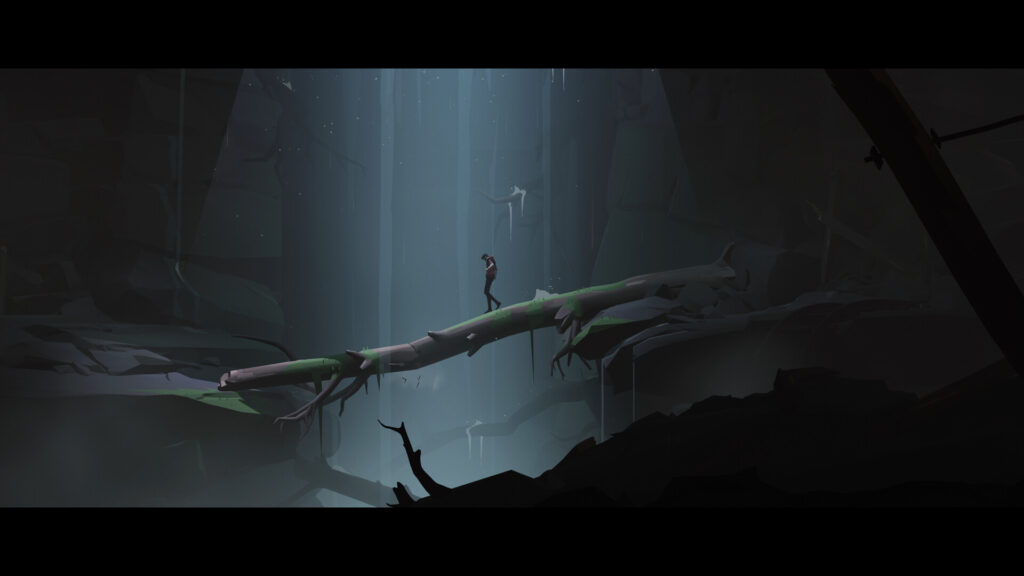
A cinematic platformer from one of the co-creators of Inside, following a family separated during an alien invasion in rural England. Dark, atmospheric, and built around a light manipulation mechanic that gradually reveals the scale of what has happened.
Why it feels like Another World: The alien presence is omnipotent and completely unexplained — you never fully understand what the invaders are or what they want, which gives the whole game the same unsettling ambiguity as Chahi’s alien world.
What sets it apart: Somerville is grounded and domestic where Another World is abstract and alien — the horror is recognisably human, set against familiar landscapes rather than an invented world.
Planet of Lana (2023)
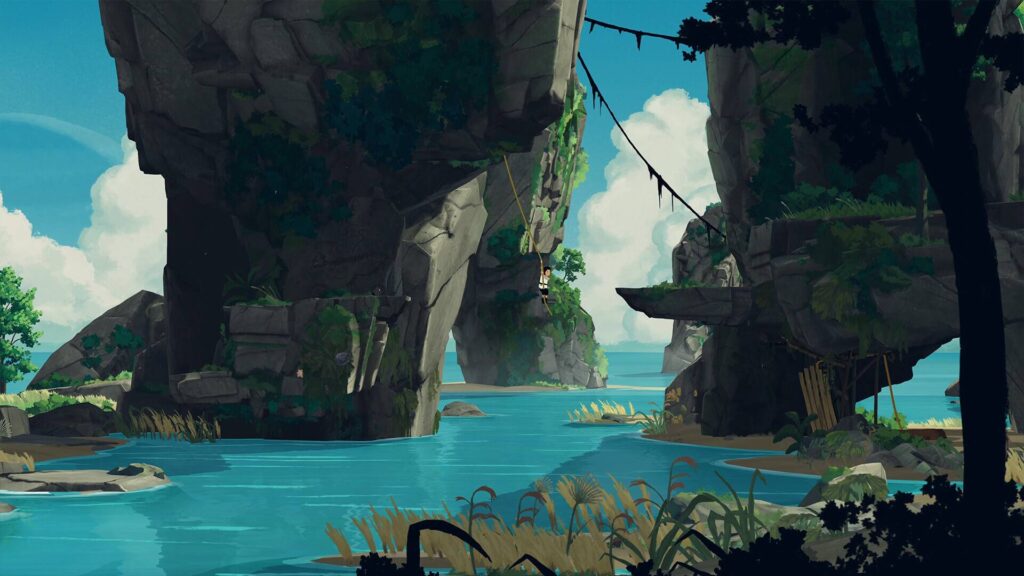
A hand-painted cinematic platformer following a girl and her animal companion across a stunning alien world threatened by invading machines. Warm, generous, and visually extraordinary.
Why it feels like Another World: The alien world is richly imagined and completely wordless — everything about the planet’s history and the invasion is communicated through environment and image rather than explanation. The bond between the protagonist and her companion echoes Lester and his alien friend.
What sets it apart: Planet of Lana is warmer and more visually lush than Another World — less hostile, more beautiful. It prioritises wonder over dread, which makes it a gentler entry point into the same emotional territory.
Silt (2022)
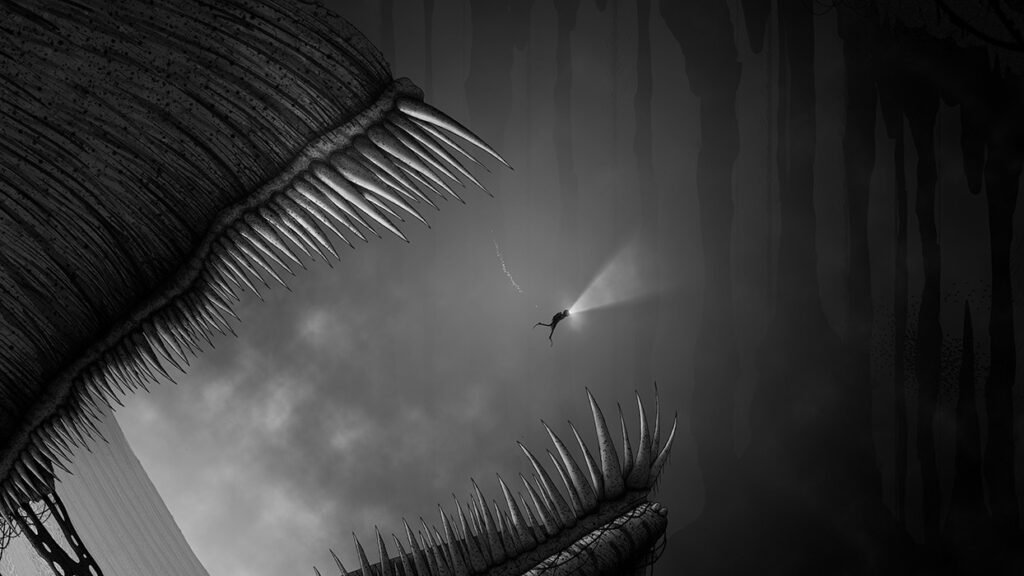
A monochrome underwater puzzle platformer where you play as a diver who can possess the sea creatures around her to solve environmental puzzles in a vast, dark ocean abyss. Strange, beautiful, and deeply unsettling.
Why it feels like Another World: The sense of being small and fragile in a world that is ancient and indifferent is more pronounced in Silt than almost any other game on this list. The wordless atmosphere and the specific feeling of navigating somewhere genuinely alien — just underwater rather than on another planet — is immediately familiar.
What sets it apart: Silt is slower, stranger, and more abstract than Another World — less about survival and more about exploration and possession. It is the most atmospheric game in this section and the least action-oriented.
Games like Another World for the wordless storytelling
Another World never explains itself. No dialogue, no text, no tutorial — just a world that unfolds through image and action. That restraint is one of the hardest things to pull off in game design, and the games below do it best. If the silence of Another World is what stayed with you, start here.
Gris (2018)
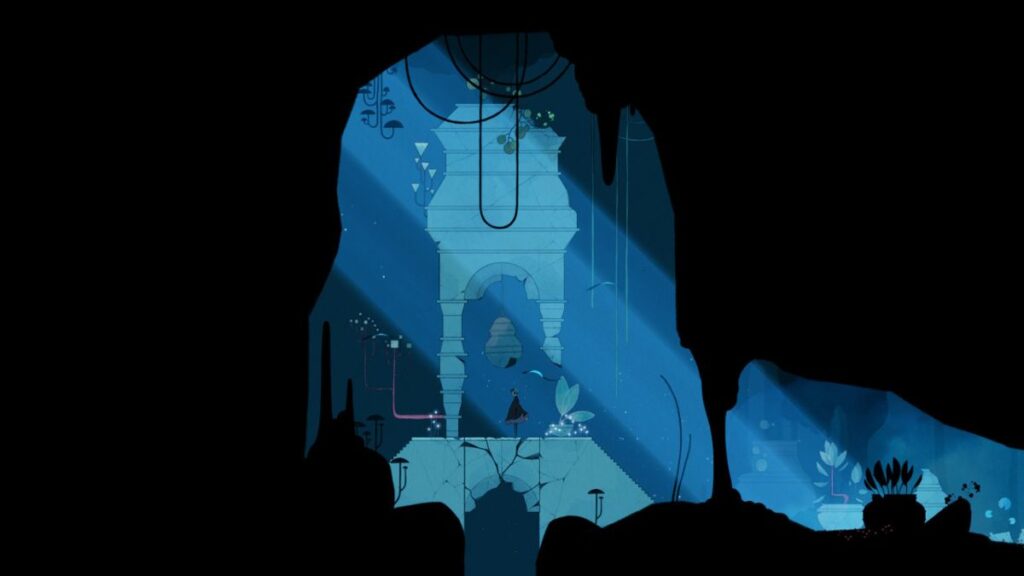
A hand-painted platformer following a young woman moving through a world that shifts and rebuilds itself around her grief. One of the most visually celebrated indie games of the last decade.
Why it feels like Another World: The commitment to wordless storytelling is total — no dialogue, no text, no explanation. Everything the story needs to say is communicated through colour, movement, and the changing world around the protagonist.
What sets it apart: Gris is gentler and more explicitly emotional than Another World — a game about healing rather than survival. Where Another World drops you into danger, Gris holds your hand through something quieter and more personal.
Neva (2024)
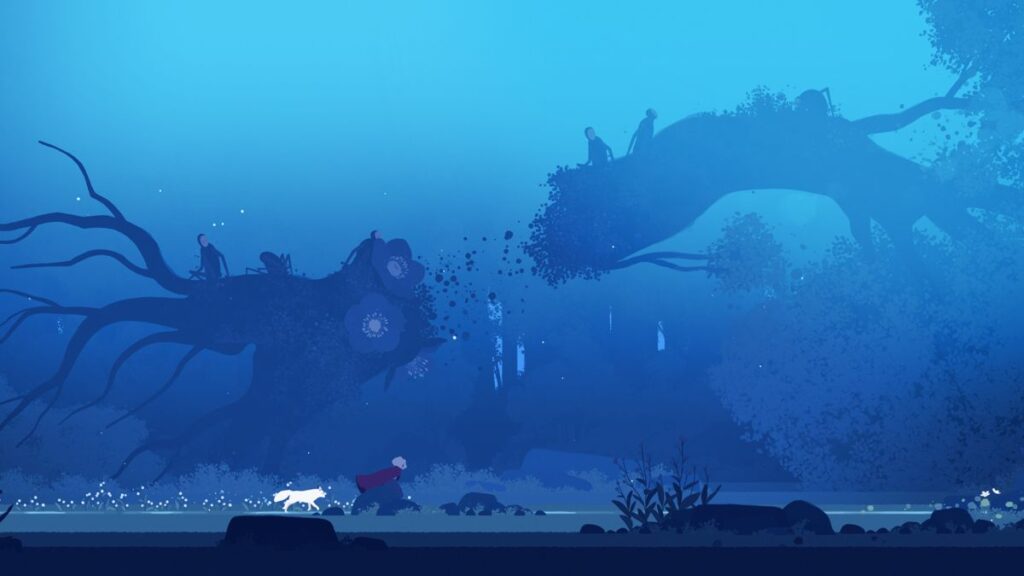
A hand-painted action platformer following a woman and her wolf companion through four seasons of a decaying world. Nomada Studio’s follow-up to Gris — more action-focused, more emotionally complex, and built around a relationship that develops entirely without dialogue.
Why it feels like Another World: The bond between Alba and Neva — two beings who cannot speak to each other but clearly understand each other — echoes the relationship between Lester and his alien companion. Both games use that wordless connection as their emotional core.
What sets it apart: Neva has a full combat system and a more explicit narrative arc than Another World. It is louder and more kinetic — the silence is still there, but it has to work harder to be heard.
Voyage (2021)

A cooperative platformer following two survivors across a stunning alien world, built entirely around companionship and wordless communication. Made by two brothers in Sweden.
Why it feels like Another World: The alien world, the wordless storytelling, and the bond between two characters who communicate entirely through gesture and shared survival are all directly reminiscent of Another World’s most affecting moments.
What sets it apart: Voyage is the gentlest game on this list — no combat, no real challenge, no fail state. It is Another World’s emotional core extracted and stretched into a two-hour walking experience. Play it with someone.
A Tale of Paper (2020)
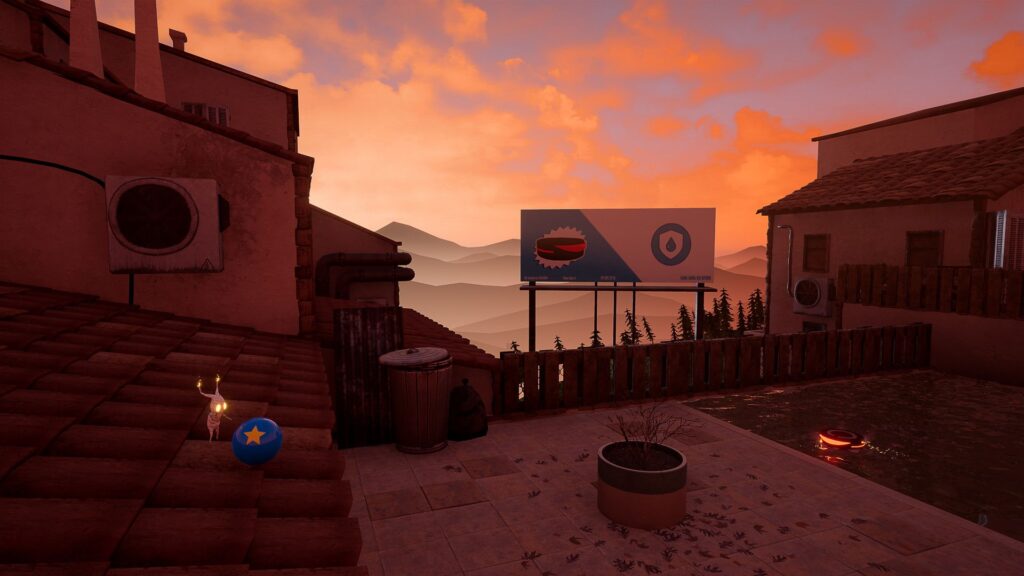
A Spanish cinematic platformer following a paper origami figure navigating a human world that is enormous and dangerous from his perspective. Wordless, handcrafted, and quietly devastating by the end.
Why it feels like Another World: The complete absence of dialogue and the reliance on environmental storytelling to carry the emotional weight are pure Another World instinct. Both games make you feel something significant without ever telling you what to feel.
What sets it apart: A Tale of Paper is warmer and more intimate than Another World — a small, delicate story rather than an alien epic. The origami transformation mechanic gives it a puzzle identity that Chahi’s game never had.
Never Alone (2014)

A cinematic platformer built in collaboration with Alaska Native storytellers, following a young Iñupiat girl and her arctic fox companion through a blizzard-swept world of genuine folklore and mythology.
Why it feels like Another World: The girl and the fox communicate entirely without dialogue, navigating a hostile world through trust and cooperation. The bond between them carries the entire emotional weight of the game — exactly as Lester’s relationship with his alien companion does.
What sets it apart: Never Alone is the most culturally grounded game on this list — built on real stories, real traditions, and real community involvement. The wordlessness is not just a design choice but a reflection of how the stories it tells have always been communicated.
Hoa (2021)
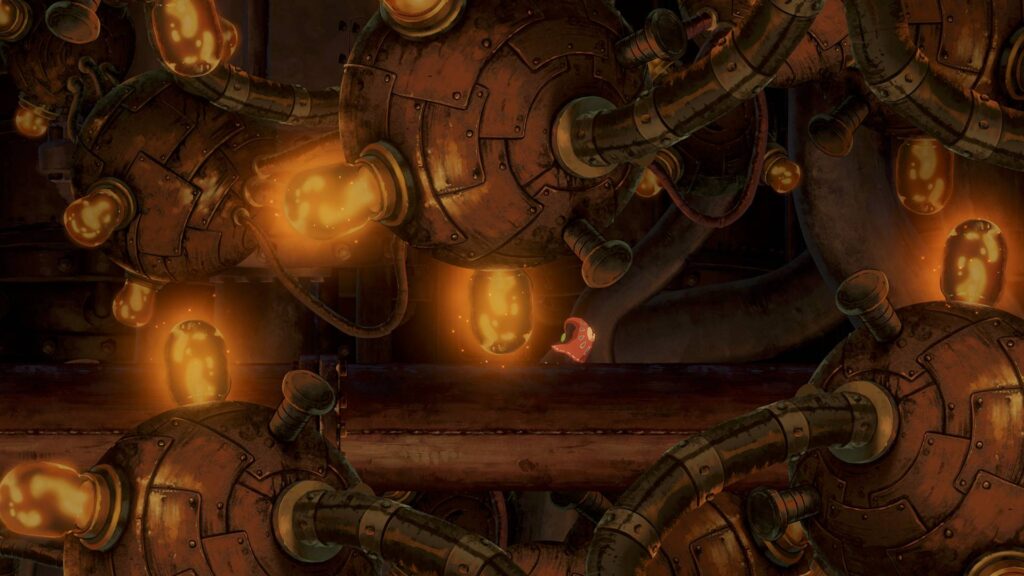
A hand-painted platformer following a small fairy returning to a forest that raised her, built entirely around atmosphere and visual beauty. The gentlest game on this list by some distance.
Why it feels like Another World: The wordless storytelling and the complete trust in the visual world to carry the narrative are shared instincts. Hoa never explains itself — it simply shows you where to go and lets the beauty do the rest.
What sets it apart: Hoa is the opposite of Another World in tone — warm, safe, and completely without tension. It is what Another World might have been if Chahi had wanted to comfort rather than unsettle.
Gameslike Another World for the Trial-and-Error gameplay
Another World kills you constantly, creatively, and without apology. Every death teaches you something — a trap, a timing, a solution you had not considered — and the satisfaction of finally getting through a section that has been destroying you is one of gaming’s great pleasures. These games understand that rhythm better than almost anything else in the genre.
Limbo (2010)

A monochrome puzzle platformer following a small boy through a dark, hostile world of environmental traps and physics puzzles. One of the most influential indie games ever made.
Why it feels like Another World: The trial-and-error structure is almost identical — you die, you understand why, you try again. The wordless atmosphere and the specific satisfaction of outsmarting a trap that has already killed you several times are pure Another World DNA.
What sets it apart: Limbo is slower and more methodical than Another World — less about action and more about observation. The horror is quieter, the world is more abstract, and the deaths are more poetic than punishing.
DARQ (2019)

A puzzle platformer set in a lucid nightmare, following a boy who cannot wake up navigating a world where gravity and geometry follow dream logic rather than physical rules.
Why it feels like Another World: The hostile, rule-defying environment that must be understood through experimentation rather than instruction is directly reminiscent of Another World’s approach. Every new area introduces mechanics that kill you before they explain themselves.
What sets it apart: DARQ is more puzzle-focused and more surreal than Another World — the challenge is less about timing and reflexes and more about understanding a world that operates by its own internal logic. Darker and stranger throughout.
Unto the End (2020)
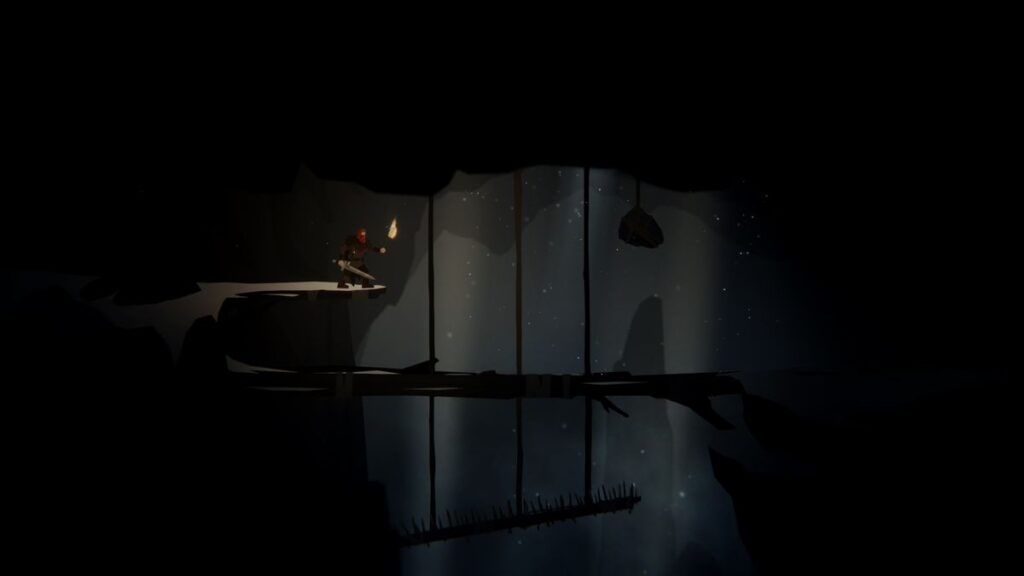
A brutal, minimalist survival platformer following a father trying to return home through a hostile winter wilderness. Every encounter is a careful, deliberate exchange — mistiming a block or a dodge by a fraction of a second ends the fight immediately.
Why it feels like Another World: The deliberate, committed movement and the punishing consequences of every mistake are the most direct connection. Unto the End respects the player enough to let them fail repeatedly without softening the experience.
What sets it apart: Unto the End is the most combat-focused game in this section — less about environmental puzzles and more about reading enemies and surviving encounters. It is slower and more meditative than Another World, but equally unforgiving.
The Swapper (2013)
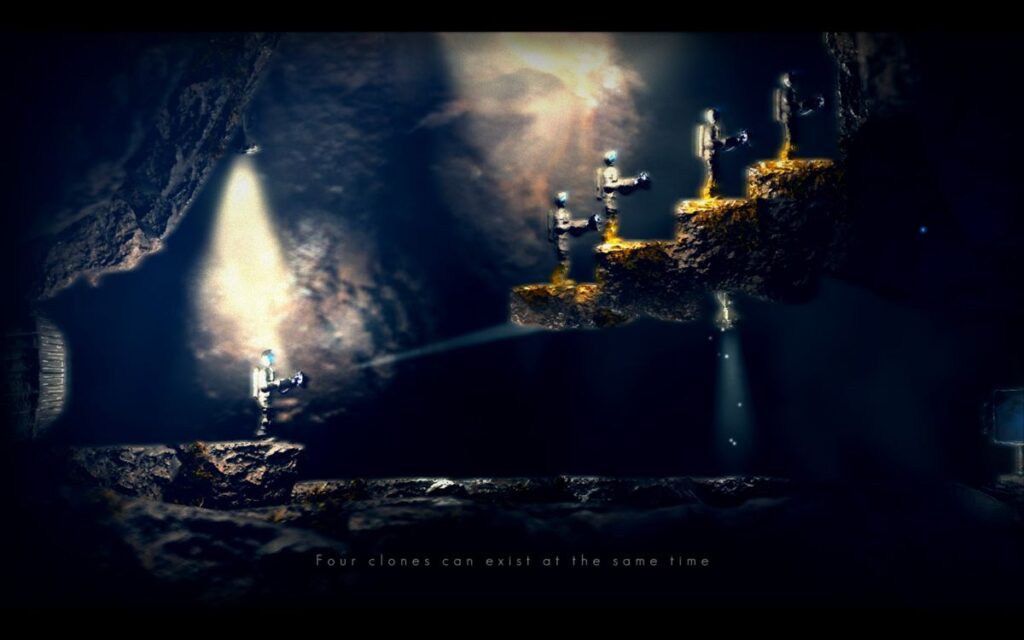
A puzzle platformer built around cloning and consciousness — you create copies of yourself and swap between them to navigate an abandoned space station, with the mechanic raising increasingly uncomfortable questions about identity and what makes you you.
Why it feels like Another World: The isolated sci-fi setting, the wordless atmosphere, and the specific satisfaction of finding a solution through experimentation rather than instruction are all shared. The Swapper rewards the same patient, observational approach that Another World demands.
What sets it apart: The Swapper is more intellectually demanding and less physically punishing than Another World — the challenge is conceptual rather than reflexive. It will make you think harder and die less, which is either a feature or a bug depending on what you loved about Chahi’s game.
These are the games I think come closest to what Another World does — but the cinematic platformer genre runs deeper than any single article can cover. If you want to keep exploring, our complete cinematic platformer database has every game in the genre worth knowing about, from 1984 to today.
FAQ
The closest classics are Flashback — same studio, same era, same DNA — and Heart of Darkness, which is what Éric Chahi himself made next. There is also Heart of the Alien, the controversial Sega CD sequel made without Chahi’s involvement. For modern alternatives, Full Void most faithfully recreates what Another World felt like to play, and Inside best captures what it meant.
Absolutely. The 20th Anniversary Edition on Steam holds up remarkably well — the polygon visual style is timeless in a way pixel art of the same era is not, and the ninety-minute runtime means it never outstays its welcome. It is one of the few games from 1991 that you can hand to someone today and watch them get completely absorbed.
Éric Chahi spent seven years developing Heart of Darkness, which was released in 1998. It is darker, more elaborate, and hand-drawn rather than polygon-based. After that, Chahi largely stepped back from the industry before returning with From Dust in 2011 and Paper Beast in 2020 — both very different from his cinematic platformer work.
Another World was designed and built almost entirely by Éric Chahi, a French developer who was in his early twenties at the time. The only outside contribution was the soundtrack, composed by Jean-François Freitas. Chahi developed the game over two years on an Amiga 500 with 1MB of RAM, working from his parents’ home in France.