
Description
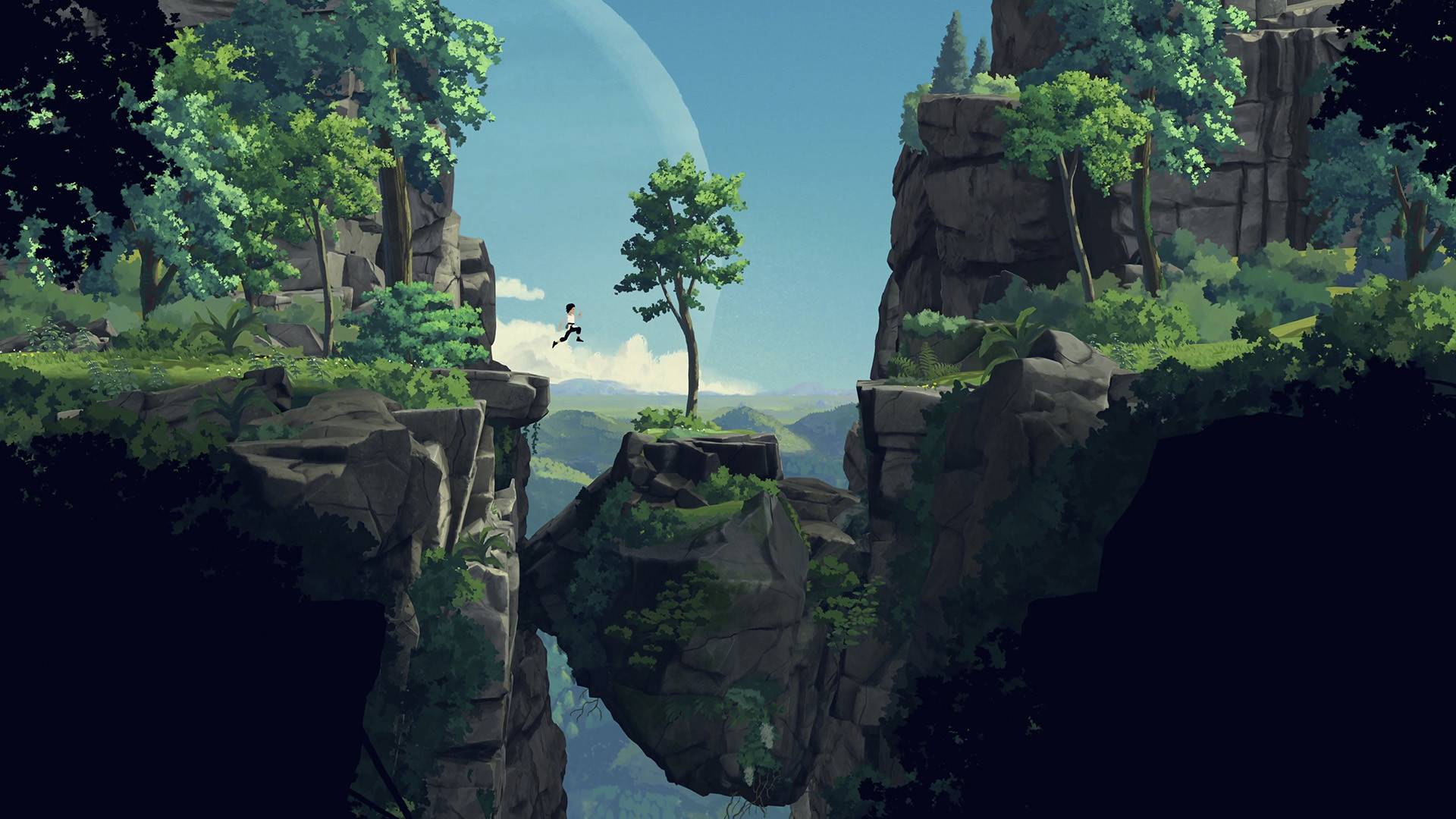
Planet of Lana is a cinematic platformer built around emotional storytelling, environmental puzzles, and atmospheric science-fiction exploration. You play as Lana, a young girl traveling across a beautiful alien world alongside her small companion Mui after an invading machine force disrupts her peaceful planet. Rather than focusing on combat or fast-paced action, the game emphasizes companionship, cinematic traversal, and quiet exploration through lush hand-painted environments.
This gamehas somewhat of a human experience. While games like Limbo or Inside rely heavily on oppression and isolation, Planet of Lana focuses more on emotion, wonder, and connection. The game constantly balances moments of tension with peaceful exploration, creating a science-fiction adventure that feels cinematic without becoming overwhelmingly bleak.
Year: 2023
Developer: Wishfully Studios
Atmosphere: Emotional · Alien · Hopeful
Visual Style: Hand-Painted · Cinematic Sci-Fi
Focus / Pace: Puzzle Exploration · Relaxed
Platforms: Xbox One · Xbox Series X/S · Windows · Nintendo Switch · PlayStation 4 · PlayStation 5
Why Planet of Lana stands out
Planet of Lana stands out because of how beautifully it blends cinematic platforming with emotional storytelling and companion-based gameplay. The relationship between Lana and Mui becomes central to both the gameplay and atmosphere, giving the adventure a strong emotional core rarely explored so directly in cinematic platformers.
The game also distinguishes itself visually. Its hand-painted alien landscapes, soft lighting, and cinematic framing create one of the most visually elegant worlds in the genre. I also think Planet of Lana deserves recognition for bringing a sense of optimism and emotional warmth back into cinematic platformers at a time when many modern entries lean heavily toward horror, dystopia, or psychological darkness. Planet of Lana is one of the genre’s modern essentials — we explain why in our complete best of guide.
The Story
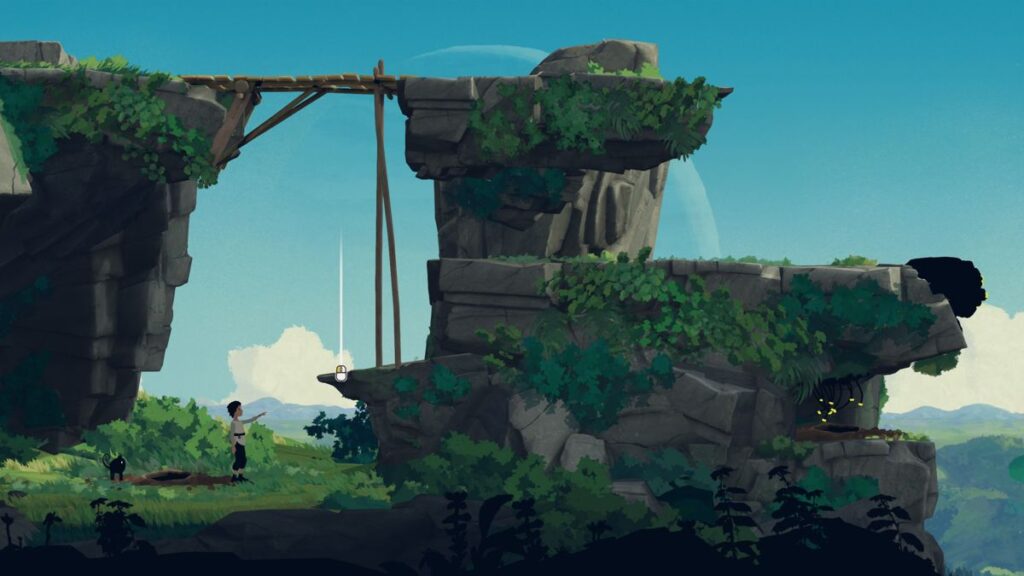
Planet of Lana follows Lana, a young girl living on a peaceful alien planet whose world is suddenly invaded by mysterious machines. After becoming separated from her family and community during the attack, she begins a dangerous journey across forests, lakes, ruins, and mechanical landscapes while searching for answers and trying to survive the growing threat surrounding the planet.
What I particularly liked about the story is how emotionally accessible it feels without relying heavily on dialogue or exposition. Much of the narrative is communicated through animation, music, environmental details, and the growing relationship between Lana and Mui. The game constantly focuses on companionship, vulnerability, and quiet emotional moments rather than large cinematic speeches or traditional storytelling.
I find this works beautifully for the first two thirds of the game. The mystery of the world — what the machines are, what they want, what the murals on the walls mean — is genuinely compelling, and I noticed myself paying attention to background details in a way I rarely do. The final act is where opinions divide. The ending takes a tonal turn that some people find unsatisfying or abrupt. I think it is deliberately elliptical, and I respect that choice — but I understand why it leaves some players cold. It is the one moment where the game’s ambition slightly outpaces its execution.
Graphics
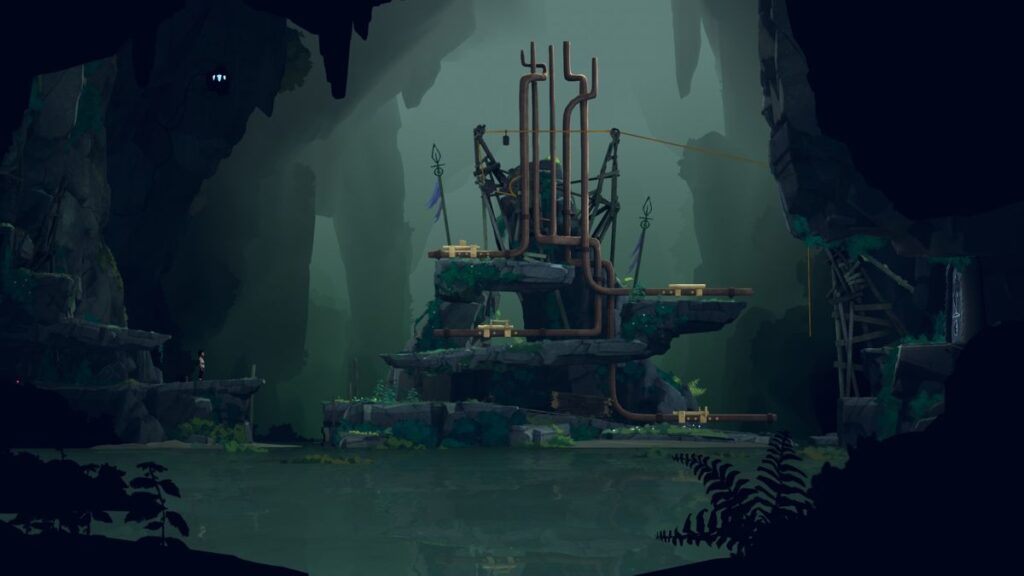
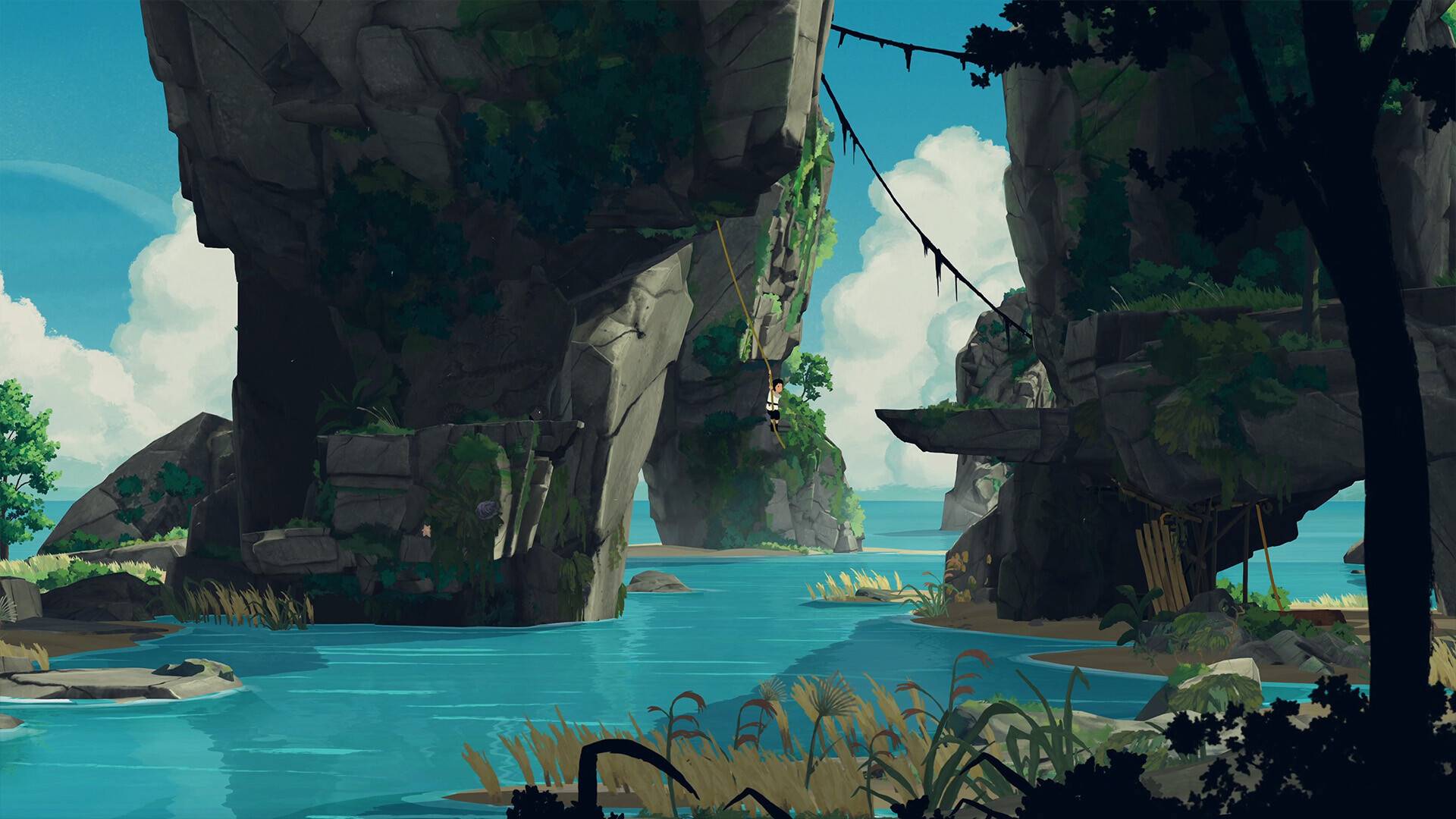
Planet of Lana features some of the most beautiful hand-painted environments in the cinematic platformer genre. The alien landscapes are filled with soft lighting, colorful vegetation, massive sci-fi structures, and distant environmental detail that constantly make the world feel alive and expansive. Many scenes genuinely look like animated concept art brought into motion.
What impressed me most visually was the game’s use of scale and color. Peaceful natural environments frequently contrast with giant machines and industrial structures invading the landscape, reinforcing both the beauty and fragility of Lana’s world. Combined with fluid animation and cinematic camera framing, the presentation creates an atmosphere that feels both relaxing and emotionally immersive.
🎨 Did You Know?
Planet of Lana began as a single drawing. In 2017, game director Adam Stjärnljus sketched a picture of a girl gazing up at a large robot creature — no game concept, no story, just an image he found interesting. That drawing became the foundation of the entire project, and an adjusted version of it became the game’s key art.
Stjärnljus founded Wishfully in August 2018 with his wife Maria Brunsson specifically to turn that drawing into a game. To compose the score, they recruited Takeshi Furukawa — the composer behind The Last Guardian — whose experience with wordless, emotionally-driven games made him a perfect fit.
Gameplay
In Planet of Lana, you will spend most of your time solving environmental puzzles, sneaking past hostile machines, traversing alien landscapes, and working together with Mui to overcome obstacles. Unlike many cinematic platformers focused on isolation, the companion mechanics are central to the experience. You regularly give commands to Mui, using the small creature to activate mechanisms, distract enemies, and access areas Lana cannot reach alone.
The gameplay stays intentionally accessible and relaxed throughout most of the adventure. Rather than emphasizing difficult platforming or punishing combat, the game focuses on smooth progression, cinematic pacing, and environmental interaction. I also appreciated how naturally the companion mechanics integrate into exploration without constantly interrupting the flow of the journey.
Pacing
Planet of Lana uses a calm and deliberate pace that prioritizes atmosphere, emotional immersion, and visual exploration over constant tension. Quiet traversal sequences regularly allow players to absorb the world’s scenery before the game shifts into stealth encounters, puzzle-solving, or cinematic action moments.
One thing I especially liked is how balanced the experience feels emotionally. The game never becomes overwhelmingly dark despite its science-fiction invasion premise. Instead, moments of danger are frequently followed by peaceful environmental sequences and softer interactions between Lana and Mui, helping the adventure maintain a strong sense of warmth and wonder throughout the journey.
Atmosphere
Planet of Lana creates an atmosphere that feels emotional, dreamlike, and deeply immersive. The combination of hand-painted environments, gentle music, distant machine activity, and quiet exploration gives the world a peaceful beauty that contrasts strongly with the threat slowly spreading across the planet. Even during dangerous moments, the game rarely feels oppressive in the way many cinematic platformers do.
The score by Takeshi Furukawa is one of the best in the genre. Drawing on his experience with The Last Guardian — another game about a wordless bond between a human and a creature — Furukawa delivers something orchestral and sweeping that shifts register as naturally as the environments do. There is a recurring five-note motif associated with the machines that I found quietly unsettling in a way that felt genuinely earned. Vocalist Siobhan Wilson contributes to a handful of tracks that land among the most affecting moments in the game.
🎮 My honest opinion
Planet of Lana is not the most mechanically challenging or narratively complex game in this genre. I think it knows that, and I think it does not care — because it is trying to do something else, and it does it beautifully. It is a game about a girl who loves her sister enough to walk across a planet for her, told through some of the most gorgeous environments I have seen in any cinematic platformer, accompanied by a score that I found myself humming for days afterward.
For the right player — someone who wants to be taken somewhere beautiful rather than challenged — it is close to essential. And with a sequel already out that apparently expands on everything the original did, there has never been a better time to start.
My favorite moments were usually the quieter exploration sequences where Lana and Mui simply traveled together through massive alien landscapes. The game constantly gave me the feeling of being inside a moving animated science-fiction painting, and few cinematic platformers create such a relaxing yet immersive sense of journey.
Where can I play Planet of Lana?
Planet of Lana is available on PC through stores like GOG and Fanatical, and can also be played on Xbox One, Xbox Series X/S, Nintendo Switch, PlayStation 4, and PlayStation 5. Thanks to its hand-painted visuals and cinematic atmosphere, I personally think the game works especially well on a larger screen where the scale and environmental detail can fully stand out.
Games similar to Flashback
Players who enjoyed Planet of Lana will likely appreciate other cinematic platformers focused on emotional storytelling, atmospheric exploration, and beautiful science-fiction worlds. While the game shares many classic genre elements, its warmer tone and companion mechanics give it a very distinct identity among modern cinematic platformers.
Planet Alpha
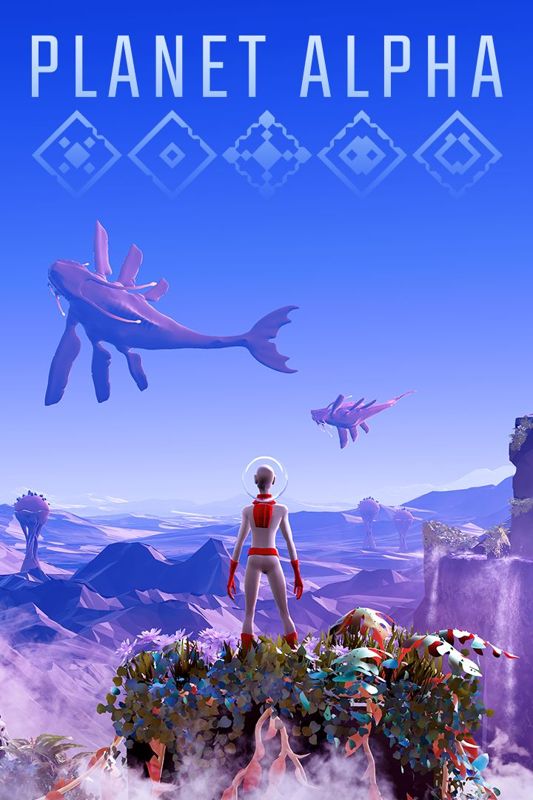
Planet Alpha shares Planet of Lana’s fascination with alien landscapes, cinematic side-scrolling, and environmental immersion. Both games emphasize atmosphere and exploration over combat, though Planet Alpha leans more heavily into solitude and surreal sci-fi mystery.
Neva (2024)

Neva is the most natural companion piece — another hand-painted cinematic platformer built around the bond between a young woman and an animal companion, navigating a world that is actively being corrupted around them. More action-focused and more emotionally complex, but cut from the same cloth.
If you are looking for more atmospheric cinematic platformers, games like Hoa, Somerville, The Swapper, and Gris each explore different sides of emotional storytelling, environmental immersion, and cinematic exploration.