Description
Flashback is one of the defining cinematic platformers of the 1990s and a direct evolution of ideas introduced by Prince of Persia and Another World. It came out in 19992, a year after Another World, was made at the same studio — Delphine Software in Paris — and was built by Paul Cuisset, who had previously worked alongside Éric Chahi on Future Wars.
The game combined rotoscoped animation, cinematic storytelling, exploration, combat, and science-fiction world-building into a much larger and more action-oriented experience than most platformers of its era.
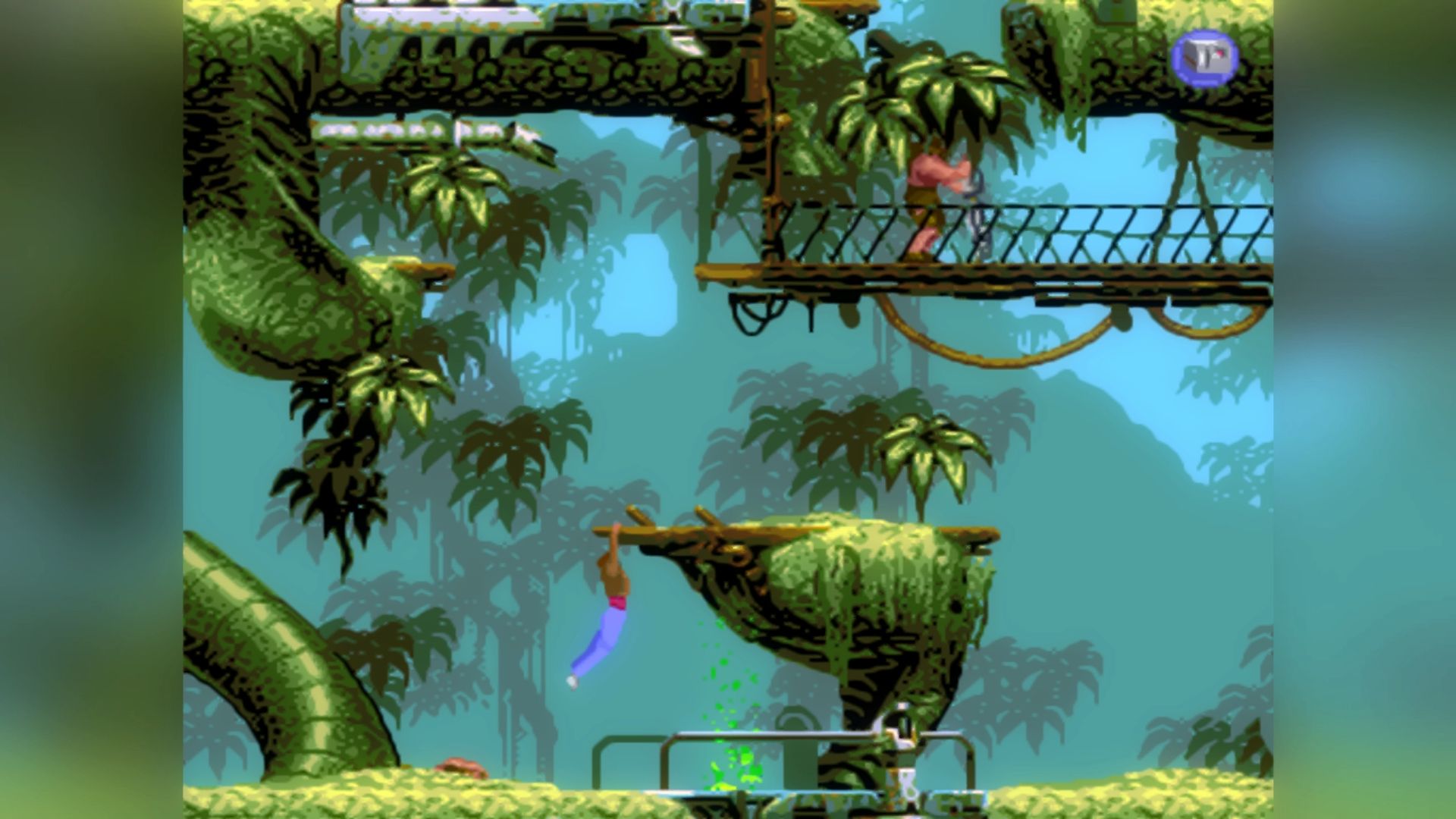
You play as Conrad B. Hart, a scientist who loses his memory after discovering a conspiracy involving hostile alien shapeshifters infiltrating human society. From the very beginning, Flashback feels ambitious in a way that still stands out today. Cinematic cutscenes, realistic movement, futuristic cities, and dangerous environments all work together to create an adventure that feels closer to an interactive sci-fi movie than a traditional side-scrolling platformer.

Year: 1992
Developer: Delphine Software
Atmosphere: Sci-Fi · Cinematic · Dangerous
Visual Style: Pixel Art · Rotoscoped Animation
Focus / Pace: Action Platforming · Methodical
Platforms: Amiga · DOS · Sega Genesis · Super Nintendo · Sega CD · Modern Platforms
Why Flashback stands out
Where Another World stripped everything back — no dialogue, no explanation, pure atmosphere — Flashback went the other way. It gave you a story worth following, characters worth caring about, and a world with enough detail that the amnesia premise actually worked as a discovery mechanism. You learn who Conrad is at the same pace he does, and the slow reconstruction of his identity gives the whole game a narrative drive that most contemporaries could not match.
The game was also technically impressive for its time. Its rotoscoped animations remain remarkably fluid, and the cinematic presentation helped make the world feel believable and immersive despite hardware limitations of the early 1990s. I still think Flashback captures a unique balance between methodical platforming, action, and cinematic storytelling that very few games have replicated successfully since.
It was also, at the time of its release, the best-selling French video game of all time. The Guinness Book of Records said so.
The Story
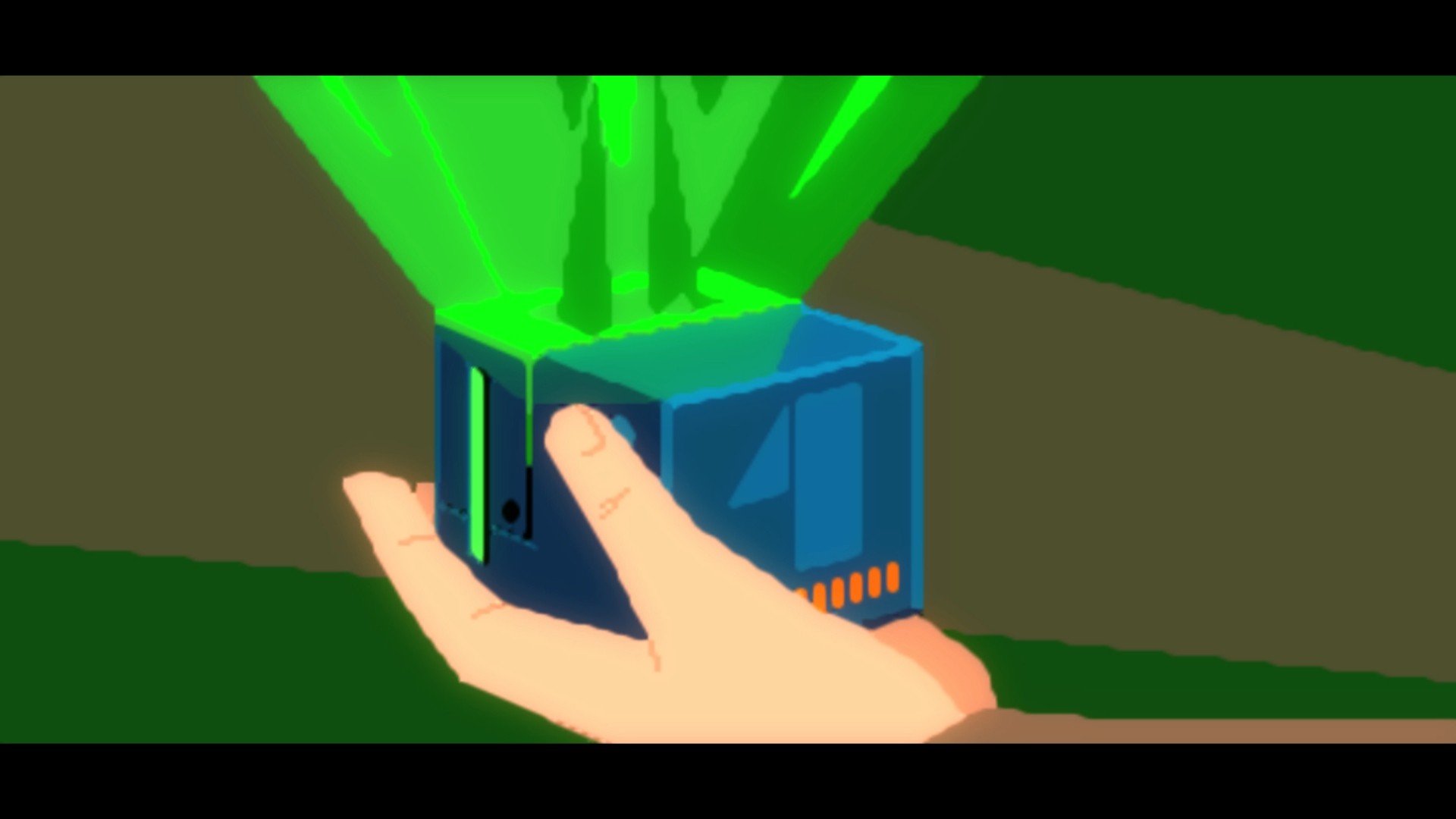
Conrad Hart wakes up in a jungle with a message from his past self telling him to find someone called Ian. From there, the story unfolds in chapters — each new location revealing another piece of the conspiracy, another layer of the alien infiltration, another fragment of Conrad’s erased memory. It is a proper science fiction narrative with genuine twists, and Cuisset tells it with more confidence and clarity than the genre had previously managed. Conrad is a more developed protagonist than any cinematic platformer had offered before: he has a past, a motivation, and relationships that matter.
What I’ve always liked about Flashback’s story is how cinematic and ambitious it felt for a 1992 platformer. The game constantly moves through new locations, including alien jungles, futuristic cities, underground complexes, and hostile colonies, making the adventure feel much larger in scope than most cinematic platformers of its era. The use of cutscenes and dialogue also gives the experience a stronger sci-fi movie feeling than the more minimalist storytelling seen in Another World.
Graphics
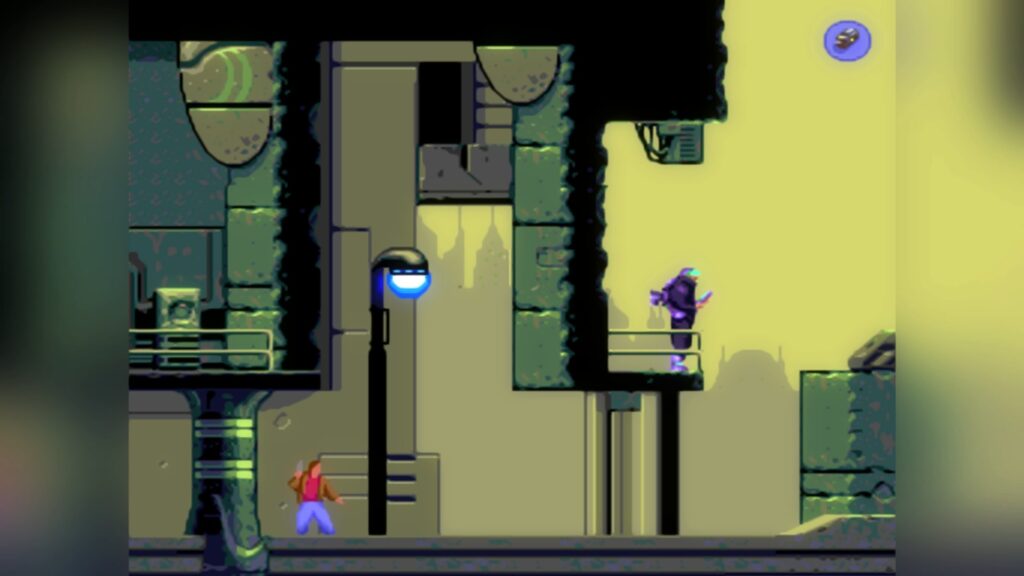
Flashback pushed cinematic animation and visual presentation even further than many earlier cinematic platformers. Character movement feels fluid and realistic thanks to extensive rotoscoping, giving Conrad’s running, climbing, combat, and traversal animations a believable physicality that still looks impressive decades later.
The hand-drawn backgrounds are some of the most detailed in any game of the era — the jungle of Titan, the neon-lit streets of New Washington, the alien environments of the final act — each rendered with a care and specificity that gives the world genuine depth. The rotoscoped animation runs at a fluidity that was widely described at the time as unlike anything on home consoles.
Gameplay
A hybrid of cinematic platforming and light adventure game mechanics that gives Flashback a depth most of its contemporaries lacked. Conrad navigates levels through the familiar committed, screen-by-screen movement of the genre, but he also picks up missions, collects items, talks to NPCs, and solves environmental puzzles that require more thought than simple trap avoidance. The game trusts you to pay attention — to read the environment, track your objectives, and use your tools intelligently.
The combat is functional and deliberate — Conrad’s pistol and shield give encounters a tactical quality that rewards patience over aggression. The difficulty is real but fair: unlike Another World’s occasionally arbitrary lethality, Flashback’s challenge feels earned throughout. Checkpoints are generous enough that frustration stays minimal.
🎬 Did You Know?
Flashback began as a pitch for a Godfather video game. U.S. Gold approached Delphine Software with the license, and Cuisset’s response was essentially: what if we set The Godfather in space? The concept of a man uncovering a vast conspiracy — family, loyalty, betrayal — transplanted into a sci-fi setting became the structural foundation of the game.
U.S. Gold eventually dropped the Godfather license entirely, but the DNA of that original pitch — the conspiracy, the amnesia, the slow revelation of who is really pulling the strings — stayed in the game all the way to the final version.
Pacing
Flashback uses a slower and more methodical pace than many action platformers of its era. The game frequently encourages exploration, observation, and puzzle-solving before shifting into dangerous combat encounters or cinematic escape sequences. This rhythm helps the world feel immersive and gives the adventure a strong science-fiction atmosphere.
One thing I particularly appreciate is how varied the progression feels. Each major area introduces new environments, mechanics, and gameplay situations, constantly making the journey feel larger and more ambitious. Despite its deliberate pacing, Flashback rarely feels repetitive because the game continuously expands its world and cinematic scope as Conrad uncovers more of the conspiracy around him.
Atmosphere
The sci-fi noir atmosphere is one of the game’s great achievements. Jean Baudlot’s score — composed by a man who came from writing TV jingles for a French record label, which is one of the stranger origin stories in game music — is atmospheric and surprisingly varied, shifting register between the jungle, the city, and the alien world with real confidence.
Combined with the hand-drawn backgrounds and the specific visual language of 1990s French sci-fi illustration, Flashback creates a world that feels genuinely inhabited.
🎮 My honest opinion
Flashback remains one of the most ambitious and impressive cinematic platformers ever made— we make the case in our best cinematic platformers of all time feature.
Even today, I still think very few games successfully combine cinematic storytelling, exploration, platforming, and action as naturally as Flashback does. The game constantly feels larger in scope than most platformers of its era, with its varied environments and science-fiction atmosphere giving the adventure a real sense of progression and discovery.
When i first played it on SNES back in the days – it was just “wow”. I played Prince of Persia few years before, but this one really started my fascinaton with the genre, leading to this website today!
For me, Flashback stands alongside Prince of Persia and Another World as one of the true pillars of cinematic platformers and one of the genre’s most important classics. Honestly, it has aged a little less well than maybe Another World, but is still very much playable. Enjoy!
Where can I play Flashback?
Flashback has been released on numerous platforms over the years, including Amiga, DOS, Sega Genesis, Super Nintendo, Sega CD, and several modern systems through remasters and digital re-releases. The original versions remain highly respected among fans of classic cinematic platformers and are still accessible today through retro collections and PC storefronts like GOG.
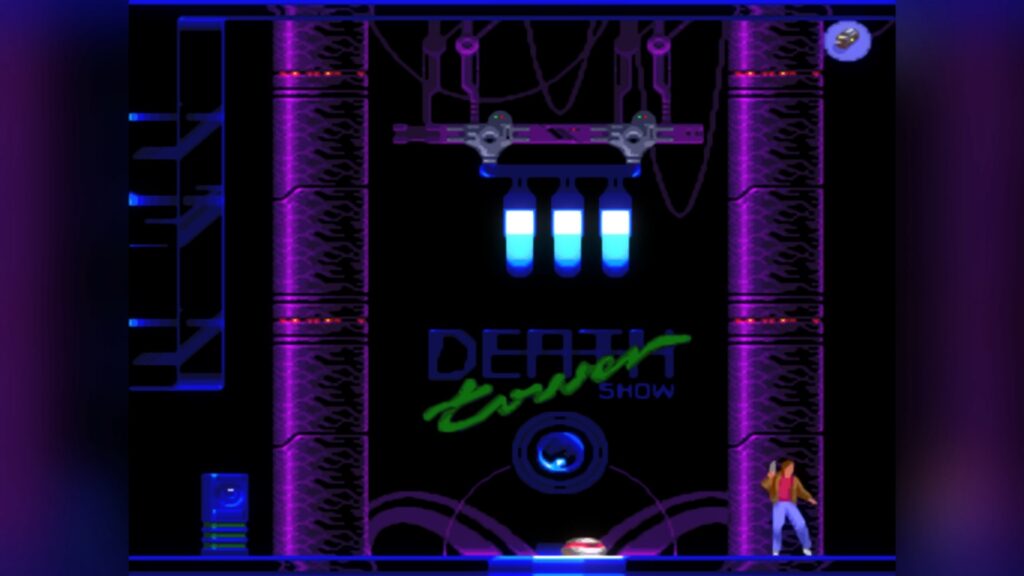
I personally played Flashback on Super Nintendo, which remains a very solid version with strong presentation and atmosphere. However, many fans consider the Sega Genesis / Mega Drive release slightly superior thanks to its smoother performance and closer resemblance to the original computer versions. The DOS and Amiga releases are also excellent for players wanting the most authentic early-1990s cinematic platformer experience.
Games similar to Flashback
Players who enjoyed Flashback will likely appreciate other cinematic platformers focused on realistic animation, science-fiction storytelling, exploration, and deliberate action-platforming. The game helped establish many ideas that later became central to the cinematic platformer genre.
Another World
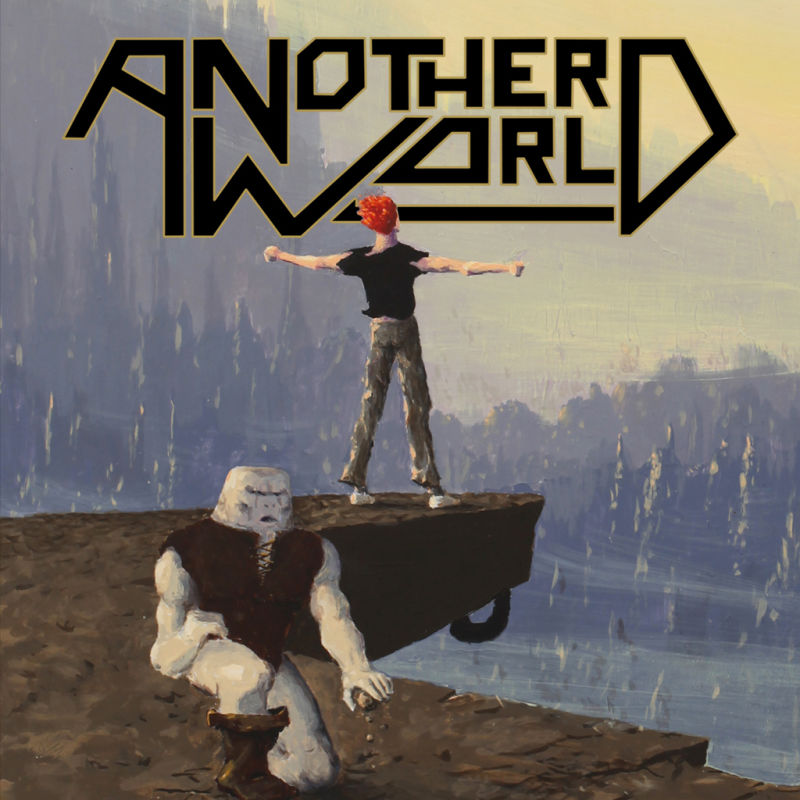
Another World shares Flashback’s cinematic presentation, realistic animation, and science-fiction atmosphere, though it focuses more heavily on survival and environmental storytelling. Both games helped define cinematic platformers during the early 1990s and remain hugely influential today.
Lunark

Lunark is heavily inspired by Flashback and classic cinematic platformers from the 1990s. It recreates the genre’s signature rotoscoped animation, sci-fi environments, deliberate pacing, and cinematic movement while modernizing the gameplay for contemporary audiences.
If you are looking for more cinematic science-fiction platformers, games like Prince of Persia, Blackthorne, and Planet Alpha each explore different sides of cinematic side-scrolling through realistic animation, atmospheric storytelling, and dangerous traversal