
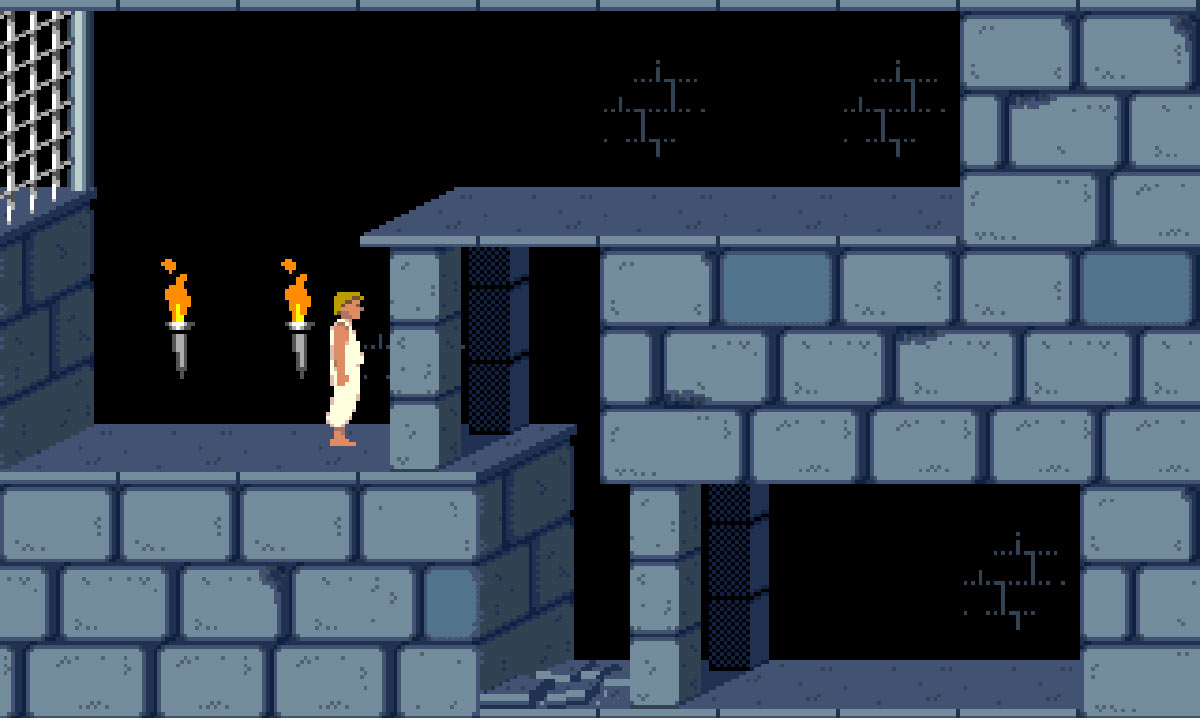
There is a moment that happens in certain games — not often, but unmistakably when it does — where you stop thinking about controls and mechanics and start feeling like you are actually inside something. Not playing a game. Being in a world. A world that has weight, atmosphere, and a specific sense that the next step matters.
That is what cinematic platformers do. It is what Prince of Persia did to me at seven years old on an IBM PC, watching a sprite move with a fluidity I had never seen in a video game before. It is what Another World did when I was older, and what Limbo did when I finally played it during the pandemic — that spider, in the opening minutes, killing me before I even understood the rules. I felt it. The feeling is the same across thirty years: this is not a game that wants me to score points or clear levels. This is a game that wants me to be somewhere.
This article is my attempt to explain what a cinematic platformer actually is — where the genre came from, what defines it, and why it has produced some of the most distinctive and memorable experiences in the medium. If you just finished Inside or Little Nightmares and want to know what to call what you just played, you are in the right place.
The short answer
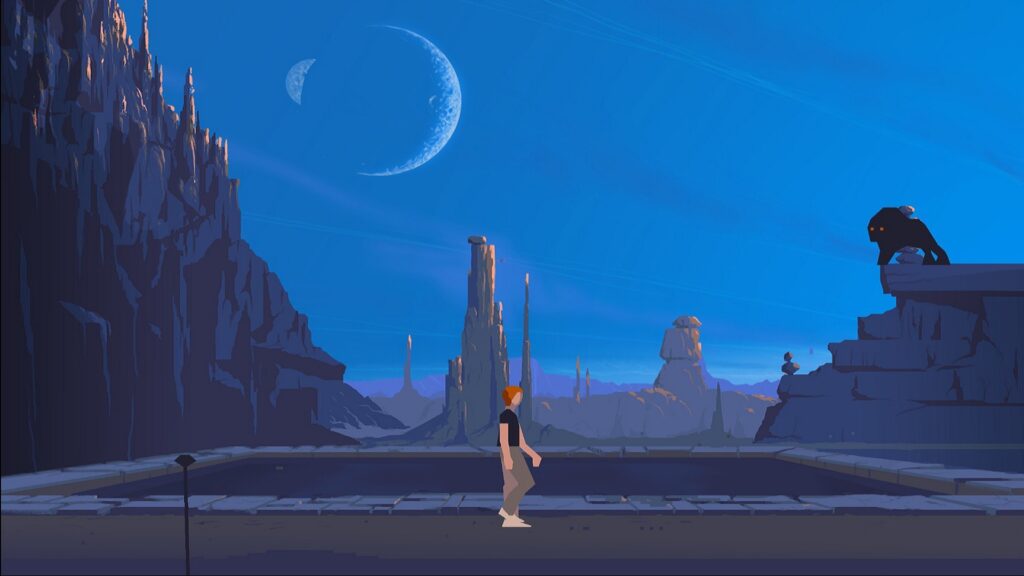
A cinematic platformer is a side-scrolling platform game built around realistic character movement, atmospheric world-building, and cinematic presentation. Unlike conventional platformers, the protagonist moves with physical weight and consequence — falling kills you, every jump commits you, and the world tells its story through environment rather than dialogue or exposition.
The term emerged in the late 1980s and early 1990s, originally applied to games like Prince of Persia, Another World, and Flashback — games that used rotoscoped animation and filmic framing to create something that looked and moved unlike anything else in gaming at the time.
Today it covers everything from rotoscoped classics like Prince of Persia and Another World to modern atmospheric games like Inside and Little Nightmares — and even adjacent experiences like Gris that stretch the genre toward emotional atmosphere and visual storytelling.
If a game makes you feel like you are inside a film rather than playing a level — if the world has atmosphere, the movement has consequence, and the story is told by what you see rather than what you are told — it is probably a cinematic platformer.
Why Cinematic Platformers feel different
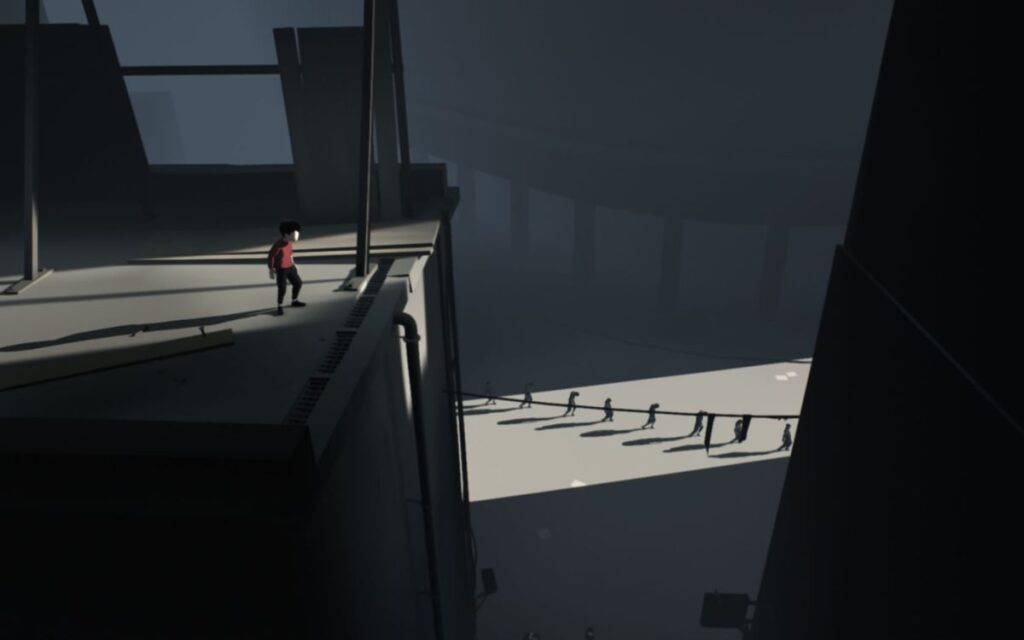
Most platform games want you to feel skilled. Cinematic platformers want you to feel present.
That is the fundamental difference — and why the genre creates a feeling nothing else quite replicates. When you play Mario or Sonic, you are demonstrating mastery over a system. When you play Another World or Inside, you are inhabiting a world. The controls, the animation, the stripped-back interface, the wordless storytelling — all of it is in service of one goal: making you forget you are holding a controller.
There is something almost countercultural about it. In a world of Instagram reels and quick dopamine rewards, cinematic platformers ask you to slow down — to observe, to read the environment, to sit with the atmosphere. Closer to picking up a book than opening YouTube. The genre does not reward impatience. It rewards attention.
The vulnerability helps. A protagonist who dies from a fall, who moves with physical consequence, who cannot jump twice or float through the air — that protagonist feels real in a way that invincible cartoon heroes never do. It affects you differently.
The dread in Little Nightmares works because the child you are controlling feels genuinely fragile. The loneliness in Another World lands because Lester moves like a person lost, not a character navigating a level.
This is what the genre borrows from cinema — not just the framing and the cutscenes, but the emotional contract:
A film asks you to forget you are watching a screen. A cinematic platformer asks you to forget you are holding a controller.
The best ones make that easy.
What makes a Cinematic Platformer? The 7 key characteristics
After years of playing these games and thinking about what connects them, I have landed on six characteristics that define the genre — not rules that every cinematic platformer must follow to the letter, but a shared design philosophy that, in various combinations, separates these games from everything else. The more of these a game has, the more confidently it belongs in the genre.
[1] Realistic, committed movement
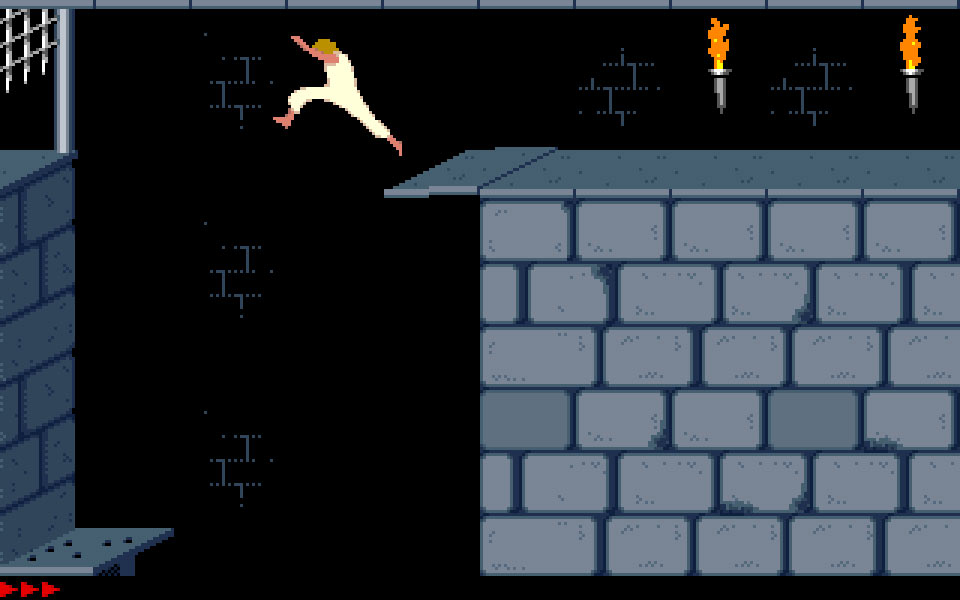
The most fundamental distinction. In a cinematic platformer, movement is physical. When your character jumps, they commit to that jump — no mid-air direction changes, no floating, no forgiving landing zones. When they fall too far, they die. When they climb a ledge, there is an animation for it that takes time. The protagonist moves like a person rather than a videogame character, which means every action has consequence and every mistake has a cost.
This is what Jordan Mechner achieved with Prince of Persia in 1989 by filming his brother running and jumping in a school parking lot and tracing the footage frame by frame. The movement felt real because it was drawn from real movement. Everything that followed built on that foundation.
[2] Cinematic presentation

Cinematic platformers do not just look like films. They are structured like them. Long stretches of silence are broken by dramatic music exactly when tension peaks. Death animations are specific and authored — Another World has a different animation for every way Lester can die.
Set pieces require unique inputs you could not have anticipated: rocking a cage, pressing random buttons on a cockpit, kicking an enemy in a moment of desperate improvisation. These are not gameplay systems. They are scenes. The genre does not just borrow film language for its presentation — it borrows film language for its design. Every moment is staged.
[3] Trial-and-error gameplay: Death Is the teacher

Cinematic platformers kill you regularly and without apology. But each death teaches you something — a trap, a timing, a solution you had not considered. The trial-and-error is not arbitrary punishment: it is the learning system. You understand the world by failing in it, and the satisfaction of finally getting through a section that has been destroying you is one of the genre’s great pleasures.
This is more pronounced in the classics than in modern entries. Another World and Flashback will kill you frequently and remind you that the world is hostile. Inside and Gris are considerably more forgiving. But the underlying philosophy — that death is instructive rather than punitive — runs through both.
[4] Wordless, environmental storytelling
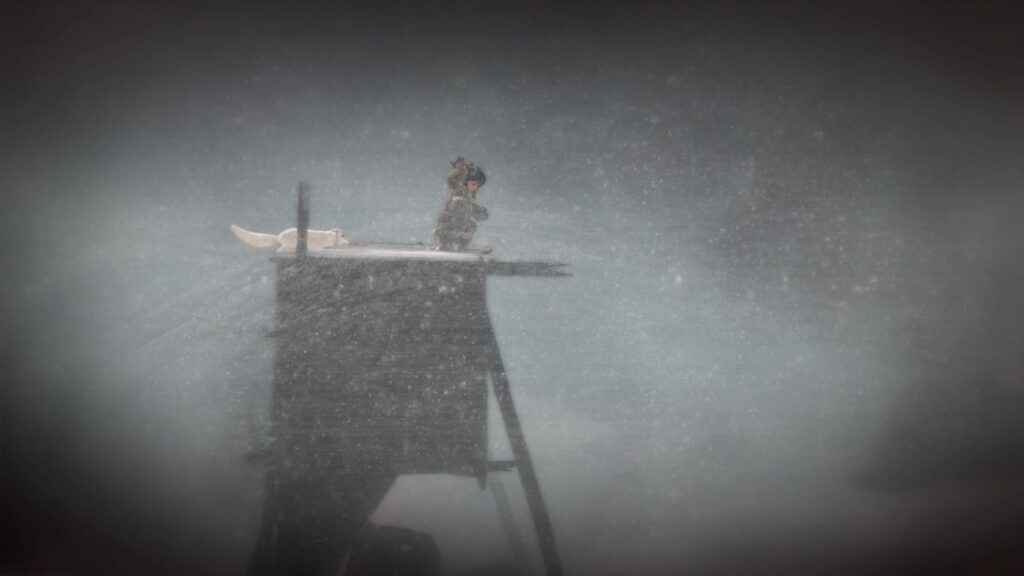
The story is told through what you see, not what you are told. No dialogue trees, no exposition dumps, no narrator explaining the plot. The architecture, the lighting, the creatures you encounter, the objects scattered through the world — these are the story. The player assembles the meaning from the evidence. This approach demands more from the player and delivers more in return — a story you piece together yourself feels genuinely discovered rather than delivered.
[5] Minimal or no HUD
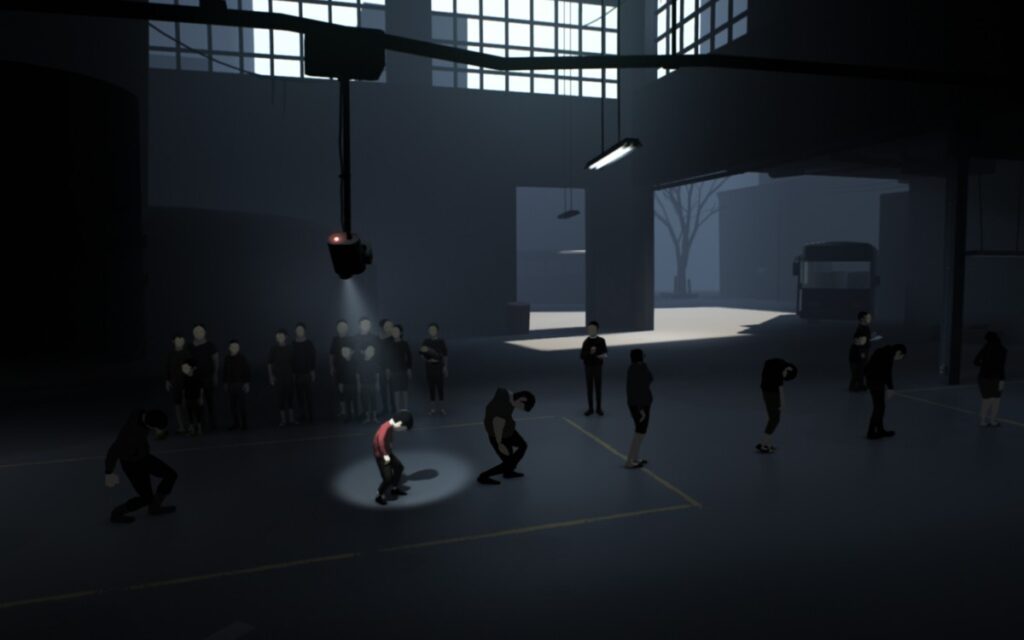
Cinematic platformers strip away the interface. No score counter, no health bar, no level number, no map. Just the world. This is a deliberate design choice that reinforces immersion — the moment you see a health bar in the corner of the screen, you are reminded that you are playing a game. Cinematic platformers refuse that reminder. Inside has no interface at all. Another World has none. Little Nightmares has none.
[6] Fluid, expressive animation
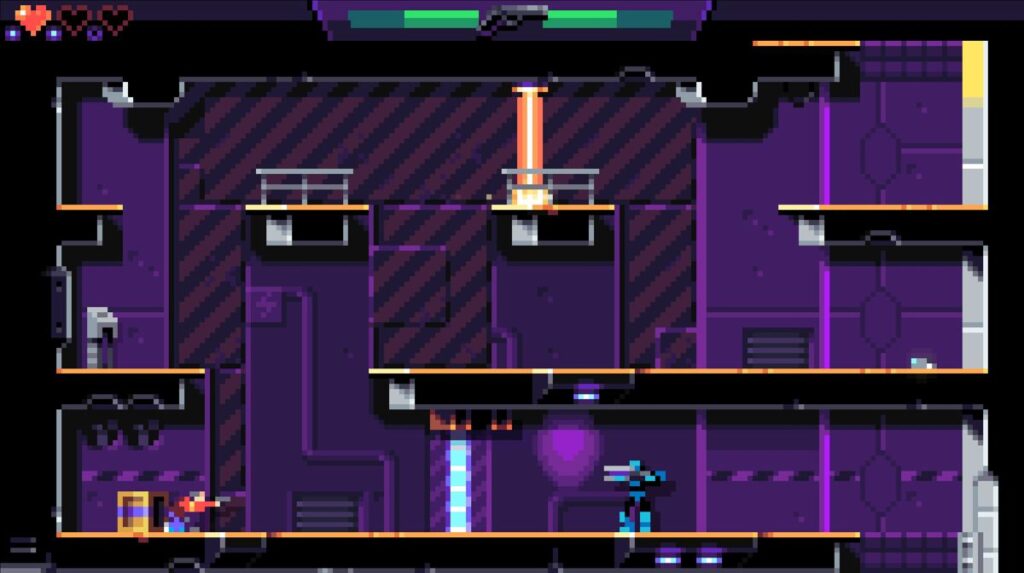
The animation is not just realistic, it is deliberate. Characters reach for objects rather than having them disappear on contact. They stumble when they land wrong. They hesitate before dangerous jumps. The animation communicates the character’s relationship with the world around them, which is something Mario or Sonic never needed to do and never tried.
Rotoscoping — tracing movement from filmed footage — was the technique that made this possible in the 1980s and 1990s. Modern cinematic platformers achieve the same effect through different means, but the goal is identical: make the character feel present and physical.
[7] Fixed or flip-screen camera

Most cinematic platformers use a fixed camera that composes each screen like a film shot — deliberate framing, specific reveals, a relationship between foreground and background that a scrolling camera cannot achieve. Screen-flipping, where the view cuts to the next fixed composition when you move to the edge, was the dominant technique in the classics. Modern entries use more fluid cameras but maintain the sense of composed, directed space rather than simply following the character.
What a Cinematic Platformer Is NOT
This is the question I get most often, and it is worth answering clearly — because the genre has specific borders, and understanding what falls outside them helps define what falls within.
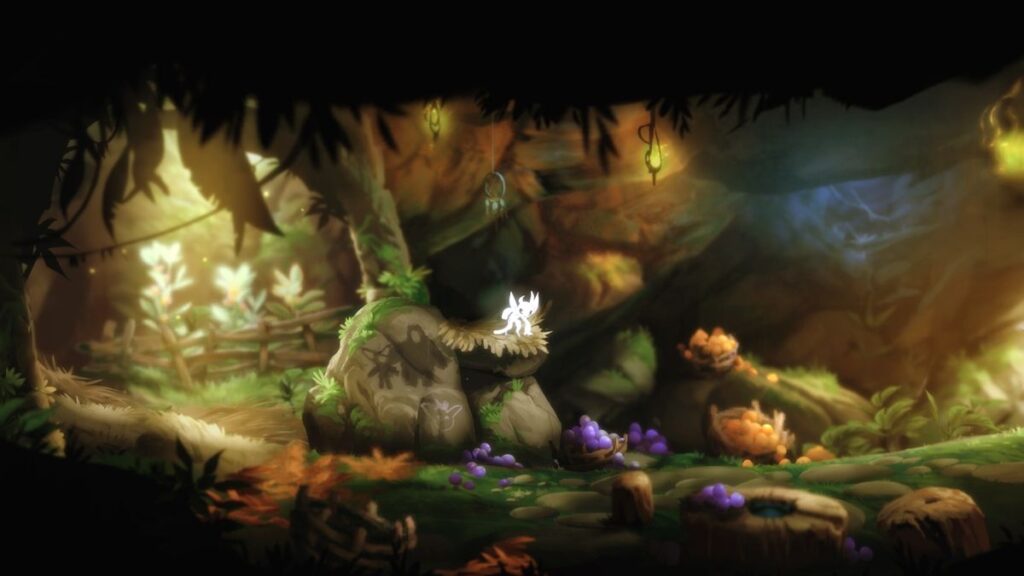
Not a Metroidvania
Metroidvanias — Hollow Knight, Ori and the Blind Forest, Castlevania: Symphony of the Night — are nonlinear. You explore a large interconnected map, unlock abilities that open new areas, backtrack, and build a character. Cinematic platformers are almost entirely linear. There is a world, and you move through it, and it does not open up behind you. The design philosophy is opposite: Metroidvanias are about discovery through exploration, cinematic platformers are about discovery through observation and trial-and-error.
Hollow Knight is not a cinematic platformer. Ori is not a cinematic platformer. They are extraordinary games in a different genre that shares some surface features.
Not a precision platformer
Super Meat Boy, Celeste, Hollow Knight — games built around tight, responsive controls and reflex-based challenge. Cinematic platformers deliberately move away from precision. The movement is heavier, the controls are less snappy, the challenge is environmental and puzzle-based rather than reflexive. Cinematic platformers prioritize physicality and consequence over pure responsiveness. — the slight heaviness, the commitment, the physical consequence are features rather than bugs.
Not a run-and-gun
Side-scrolling action games — Contra, Metal Slug, even some Alien or Terminator licensed games — share the side-scrolling camera without any of the cinematic platformer philosophy. The distinction is simple: if the primary activity is shooting waves of enemies rather than navigating a hostile world through observation and timing, it is a run-and-gun.
Not every atmospheric 2D game
This is the subtler boundary. Plenty of beautiful, atmospheric, side-scrolling games are not cinematic platformers — because atmosphere alone does not define the genre. The movement philosophy, the visual storytelling, the trial-and-error structure, and the committed animation have to be present alongside the atmosphere. A game can be dark, wordless, and gorgeous without being a cinematic platformer. The design has to match the presentation.
Can Cinematic Platformers be 3D?
This is the genuinely difficult question. The traditional definition of the genre is built around 2D side-scrolling — fixed screens, lateral movement, a composed camera. And most cinematic platformers are 2D or 2.5D for good reason: the side-scrolling perspective is what allows the deliberate framing and the specific sense of moving through a composed world rather than exploring a free space.
But the genre has always been about philosophy more than camera angle. Little Nightmares and Reanimal are technically 3D games — rendered in three dimensions with dynamic lighting and depth — yet nobody seriously argues they are not cinematic platformers. What keeps them in the genre is the fixed cinematic perspective, the deliberate movement, and the linear world structure. They are 3D games that behave like 2D ones.
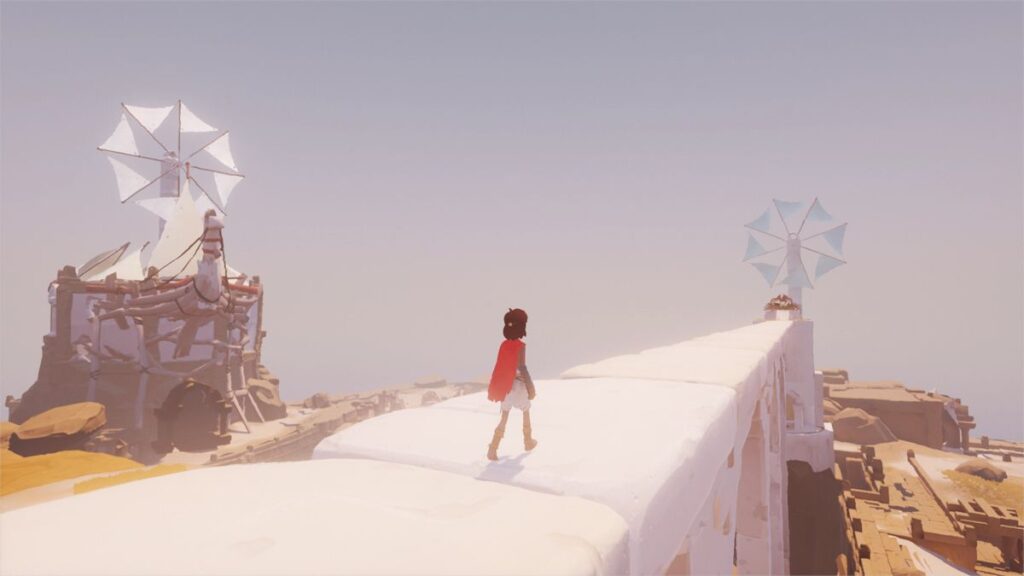
Where it gets complicated is full 3D freedom of movement. ICO, Journey, RiME — games with genuine 3D exploration, free camera control, and open space — share enormous amounts of cinematic platformer DNA without quite fitting the genre definition. I think of these as 3D games with cinematic platformer soul rather than cinematic platformers themselves. They deserve their own conversation, which is exactly why we wrote this feature about them.
The honest answer: if the game has a fixed cinematic perspective and linear structure, 3D is fine. If it has full 3D freedom of movement, it is something adjacent — and probably worth playing regardless of what you call it.
Where did the term come from?
The term “cinematic platformer” did not come from a game developer, a publisher, or a critic. It emerged organically from the gaming community — from players trying to describe a specific feeling that existing genre labels did not capture.
The phrase appears in gaming discussions as far back as the early 2000s, but it was not widely used until the 2010s, when the indie revival of the genre gave people reason to talk about it again. The NeoGAF Cinematic Platformer Compendium thread — published in 2015 by a community member who wanted to document every game in the genre and found existing definitions inadequate — did more than almost anything else to codify what the term meant and which games belonged to it. That thread is still the most comprehensive community resource on the subject.
Johan Vinet — the French-Canadian developer who made Lunark, one of the most faithful modern tributes to the classic era — wrote one of the clearest developer definitions of the genre in a devlog for the game. He described cinematic platformers as games whose design philosophy is “more oriented towards realism and borrowed some techniques previously used in movies” — a definition that captures both the technical and artistic ambitions of the genre precisely.
The interesting thing about the label is how well it has stuck despite being coined by nobody in particular. MobyGames uses it. TV Tropes uses it. Developers use it to describe their own games. It has become the accepted term for something that genuinely needed a name — and the fact that it emerged from players rather than publishers probably explains why it describes the experience of playing these games so accurately.
One genre, two souls — the classic and modern Cinematic Platformer
Here is where it gets interesting. The six characteristics above apply to the genre as a whole — but if you put Another World and Gris side by side, you might wonder how they belong to the same category. One kills you constantly, strips away every interface element, and drops you into an alien world with no explanation and no mercy. The other is a gentle watercolour journey through grief with almost no challenge at all. Both are cinematic platformers. How?
The answer is that the genre split — not into two separate things, but into two distinct expressions of the same underlying philosophy. The classics and the modern entries share DNA. They do not share design priorities.
The classic Cinematic Platformer — physical, lethal, unforgiving
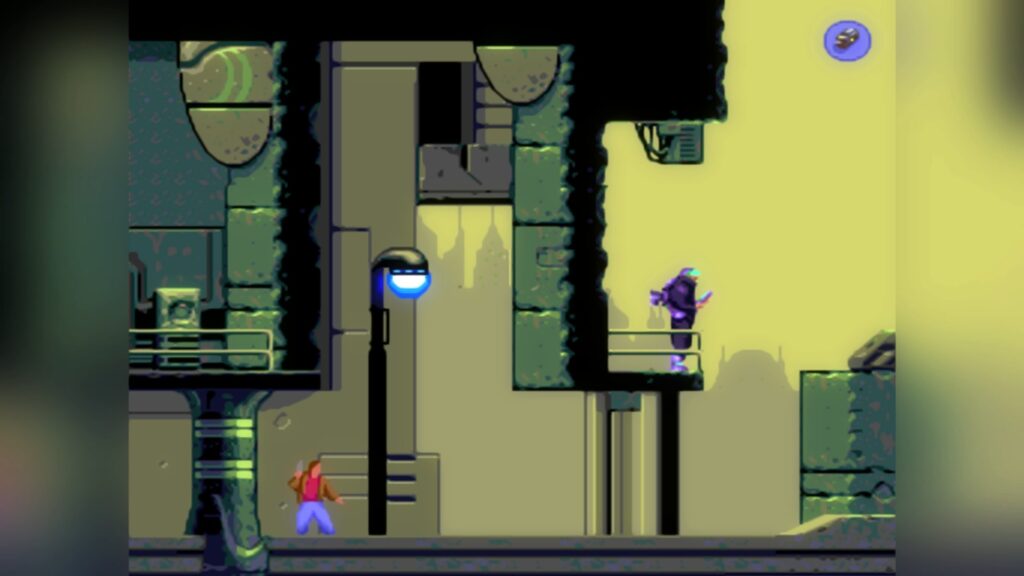
The classics are built around physical realism. Prince of Persia moved like nothing before it because Jordan Mechner filmed a real human body and traced it frame by frame — a protagonist with weight, momentum, and consequence. Another World stripped everything away: no HUD, no dialogue, just a physicist alone on an alien planet. Flashback pushed the narrative further, Oddworld added political bite, Heart of Darkness went darker still. The 1990s golden era — driven largely by French studios like Delphine Software — produced most of the genre’s foundational texts in less than a decade.
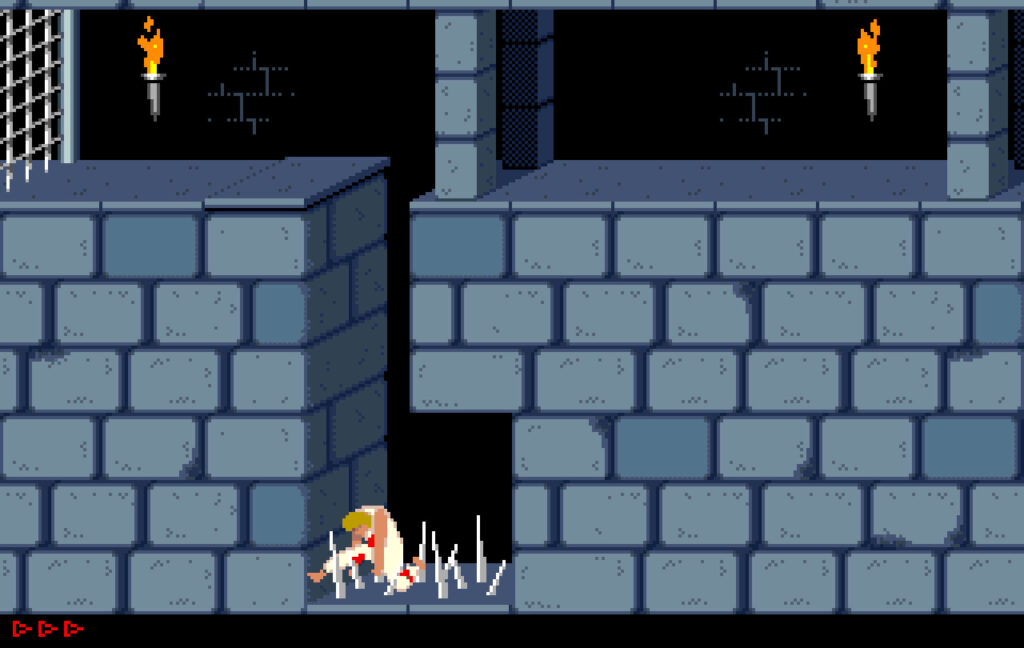
What these games share is a design philosophy built around survival. Committed movement. High lethality. Trial-and-error as the primary learning system. The world is dangerous, learning to read it is the challenge, and getting through a section that has been killing you is the reward.
Death is not a failure state — it is the curriculum.
The genre went quiet in the late 2000s when 3D gaming arrived and studios chased the new frontier. There was no dramatic ending. Just a gradual silence.
The modern Cinematic Platformer — from survival to experience

The silence lasted roughly a decade. In 2010, a small Danish studio called Playdead released Limbo — dark, minimalist, monochrome, built around a small boy in a world that wanted to kill him. It was not trying to revive a genre. But what it made was unmistakably a cinematic platformer, and it sold millions of copies to players who had never heard the term but responded immediately to what it was doing. The design philosophy that Another World established twenty years earlier was not nostalgic. It was timeless.
Inside followed in 2016 — the same philosophy pushed further, more perfectly executed. A boy running through a grey authoritarian world toward an ending nobody has fully agreed on. Inside introduced the genre to an entirely new generation of players who went looking for what to call what they had just experienced.
After Inside the dam broke — and the genre exploded in every direction simultaneously. Little Nightmares pushed into psychological horror. Gris went somewhere almost opposite: a gentle watercolour journey through grief with no enemies, no deaths, no challenge to speak of. Hoa followed, even quieter. Neva wrapped emotional devastation in painterly beauty.
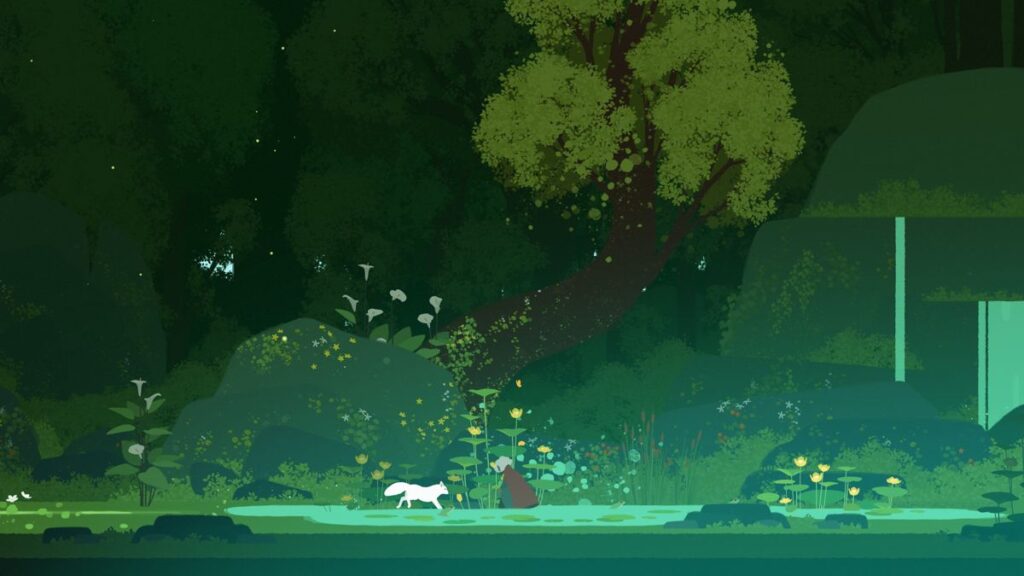
The cinematic platformer of 2026 can be brutal or cosy, terrifying or meditative, pixel-art retro or hand-painted gorgeous. The brutal trial-and-error of the 1990s classics is still alive in games like Bionic Bay and Full Void — but it is now one branch of a genre that has grown far wider than its founders ever anticipated.
The cinematic platformer of the 2020s does not look like the cinematic platformer of 1992. But it feels the same way.
Two impulses, one genre. Here is what that looks like side by side:
| Classic | Modern | |
|---|---|---|
| Movement | Committed, heavy, realistic | Grounded but fluid |
| Difficulty | High lethality, trial-and-error | More forgiving, accessible |
| Storytelling | Sparse, visual, implicit | Atmospheric, emotional |
| Focus | Survival and puzzle structure | Mood and immersion |
| Examples | Prince of Persia, Another World, Flashback | Inside, Little Nightmares, Gris |
Essential Cinematic Platformers to start with
If you are new to the genre, the question of where to start is genuinely important — because the wrong first game can put you off something you would otherwise love. Here are my honest recommendations based on different starting points.
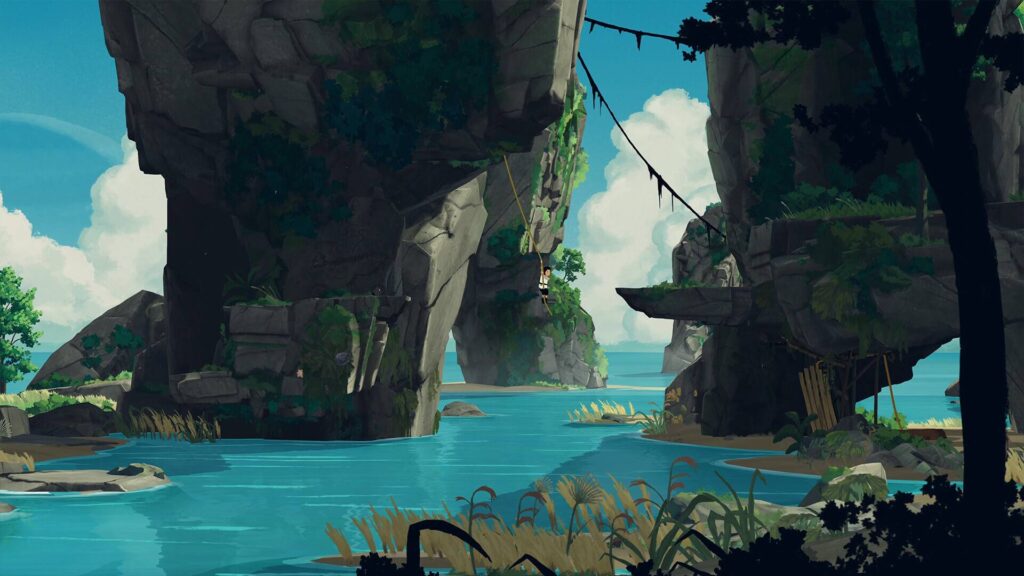
If you want the best modern entry point: Planet of Lana — warm, hand-painted, and built around a girl and her animal companion navigating a beautiful alien world. Accessible, emotionally engaging, and visually extraordinary.
If you want the most perfectly executed cinematic platformer ever made: Inside — wordless, relentless, and built around a puzzle design so elegant it barely feels like puzzle design. The ending will stay with you for days.

If you want something dark and atmospheric: Little Nightmares — a small child in a yellow raincoat navigating a world of grotesque oversized adults. The genre’s most effective horror experience.
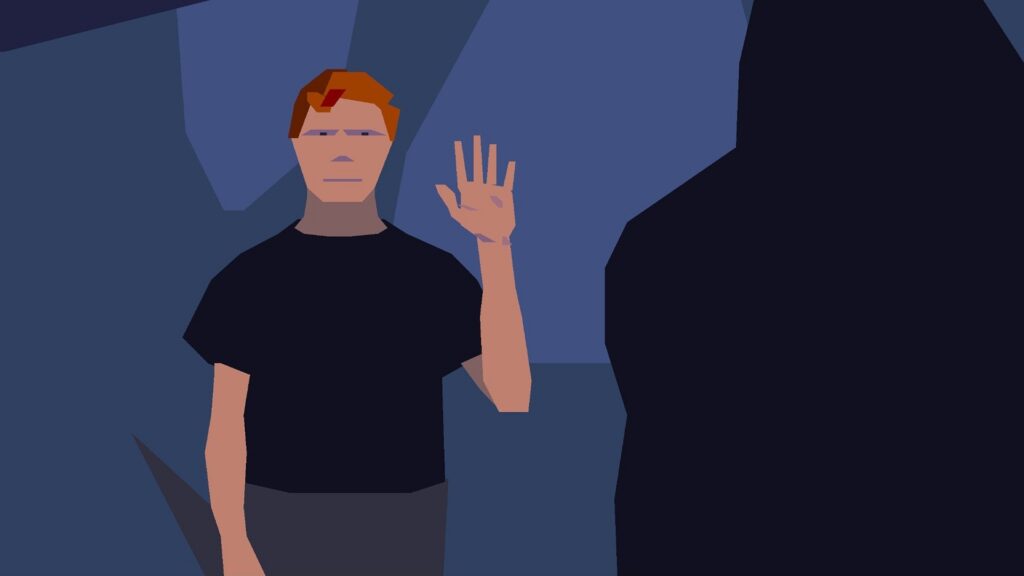
If you want the founding text: Another World — a physicist dropped onto an alien planet with no explanation and no hand-holding. Ninety minutes long, unforgiving, and one of the most important games ever made.
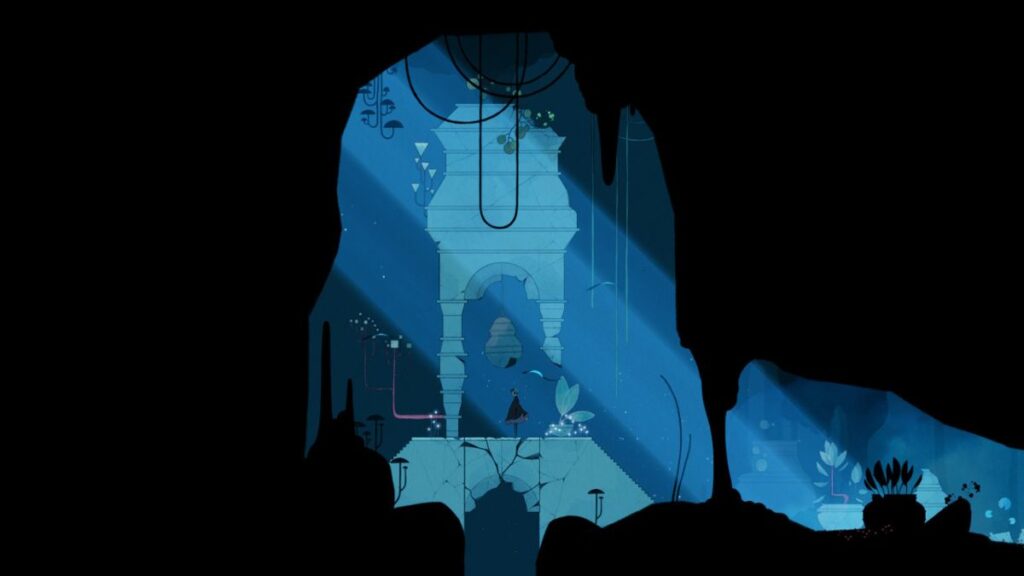
If you want to see how far the genre can stretch toward emotional atmosphere: Gris — a hand-painted journey through grief, wordless and beautiful. The gentlest entry point in the genre and one of the most visually extraordinary games ever made.
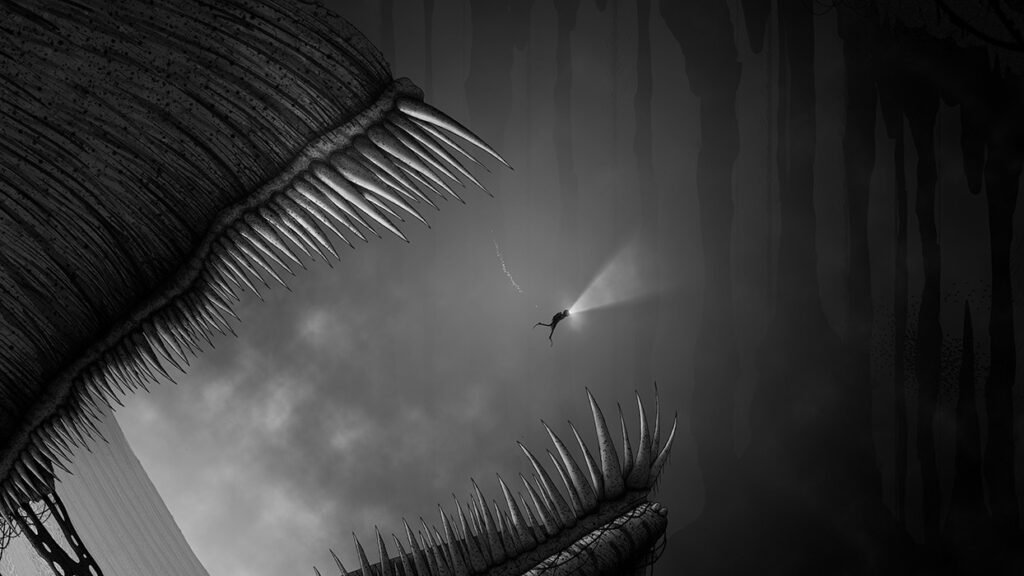
If you want a hidden gem: Silt — a monochrome underwater puzzle platformer where you possess sea creatures to survive an ancient abyss. Nothing else in the genre looks or feels like it.
For the full picture — every cinematic platformer worth knowing about, from 1984 to today — the complete database is right here.
FAQ
Prince of Persia (1989) is widely considered the genre’s founding text — the game that established realistic movement, deliberate animation, and cinematic framing as design goals. Karateka (1984) and Impossible Mission (1984) are genuine precursors that planted seeds the genre would grow from, but Prince of Persia is where those ideas first came together as a coherent design philosophy.
The key difference is structure. Metroidvanias are nonlinear — you explore a large interconnected map, unlock abilities that open new areas, and backtrack constantly. Cinematic platformers are almost entirely linear — you move through a world in one direction, learning it through observation and trial-and-error. They share a side-scrolling camera and a focus on atmosphere, but the design philosophies are essentially opposite.
Yes — Inside is arguably the clearest modern example of the genre. No dialogue, no HUD, environmental storytelling, deliberate movement, and a world that tells its story entirely through what you see. It is the game I recommend to anyone who wants to understand what a cinematic platformer is in its modern form.
No. Hollow Knight is a Metroidvania — a large nonlinear world with ability gating, backtracking, and exploration-driven progression. It is an extraordinary game, but the design philosophy is fundamentally different from a cinematic platformer. The movement is fast and precise rather than deliberate and committed, and the world is built to be explored rather than experienced linearly.
No — same reasoning as Hollow Knight. Ori is a Metroidvania with extraordinary visual presentation. The fluid, acrobatic movement and nonlinear world structure put it firmly outside the cinematic platformer tradition, despite the atmospheric and emotional qualities it shares with the genre.
The classics — Another World, Flashback, Prince of Persia — are genuinely challenging. They kill you regularly and without apology, and the trial-and-error is central to the experience. Modern cinematic platformers vary considerably — Inside and Planet of Lana are accessible enough for players who do not typically play challenging games, while Bionic Bay and Unto the End are demanding even for experienced players. The genre covers a wide range of difficulty, but the movement philosophy means even the gentler entries feel more deliberate and consequential than most platform games.
Classic cinematic platformers — Another World, Flashback, Prince of Persia — emphasise realistic movement, high lethality, and trial-and-error puzzle survival. Modern cinematic platformers — Inside, Little Nightmares, Gris — emphasise atmosphere, emotional immersion, and seamless audiovisual presentation, with generally more forgiving controls. The DNA is shared but the design priorities shifted as the genre evolved. Both are cinematic platformers. Which one resonates more depends on whether you value the physical consequence of the classics or the atmospheric immersion of the modern entries.
One last thing
The cinematic platformer is not a genre that rewards rushing. It rewards attention — to the environment, to the movement, to the small details that the world uses to tell its story.
Most things competing for your time right now are optimised for YouTube Shorts and three-second attention spans. This genre works the opposite way. It gives you silence, consequence, and atmosphere — and asks you to meet it halfway.
But when it works — when you are genuinely inside a world, when every step has consequence and every death teaches you something and the atmosphere is doing the work that twenty pages of dialogue could not — there is nothing else like it. I have been chasing that feeling since I was seven years old. This site exists because I am still chasing it, and because I think the genre that produces it deserves a proper home.
The classics want you to survive a world. The modern entries want you to feel it. Thirty years apart, the feeling is the same.
The full database is right here. Every cinematic platformer worth knowing about, from 1989 to today. Start anywhere. Something on that list will give you the feeling I have been trying to describe.
Genre definitions are arguments, not facts. I have been thinking about this one for thirty years and I am still not sure I have it completely right. If you think that I drew the line in the wrong place somewhere, say so in the comments. I read them all and I am genuinely curious where you disagree.