
Descripton
I did not expect Bramble: The Mountain King to genuinely unsettle me. I went in thinking dark fairytale platformer — moody, atmospheric, probably a bit like Little Nightmares with a Scandinavian coat of paint. What I got was something considerably more specific and considerably more disturbing. This is not a game that borrows a Nordic aesthetic. It is a game that actually understands Nordic folklore — the real stuff, the versions that were never meant for children — and it is not gentle about it.
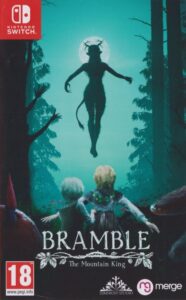
Developed by Swedish studio Dimfrost and published by Merge Games, Bramble follows a young boy named Olle who wakes one night to find his sister has sneaked into the forest. He follows. She is taken by a troll. What follows is Olle’s journey deeper into a world of creatures from genuine Scandinavian mythology — trolls, nøkken, pesta, the neck — each more horrifying than the last, each rooted in real folk tradition.
Year: 2023
Developer: Dimfrost Studio
Atmosphere: Horror · Dark Fantasy · Folklore
Visual Style: Stylized 3D · Cinematic Lighting
Focus / Pace: Puzzle Adventure · Tense
Platforms: PlayStation 4 · PlayStation 5 · Xbox One · Xbox Series X/S · Windows · Nintendo Switch
The Story
Olle follows his sister Lillemor into a forest that quickly becomes something out of a nightmare. Each chapter introduces a new creature and a new piece of the world’s dark mythology — and the tone escalates steadily from eerie to genuinely harrowing. There is a section involving Pesta — the personification of plague in Nordic folklore — that I found more disturbing than anything in the Little Nightmares series. I mean that as a compliment.
The story is narrated in a quiet, measured voice that gives the whole thing the feeling of a bedtime story being told very, very wrong. By the end, Bramble has gone to places I genuinely did not anticipate. It earns its darkness completely.
Graphics
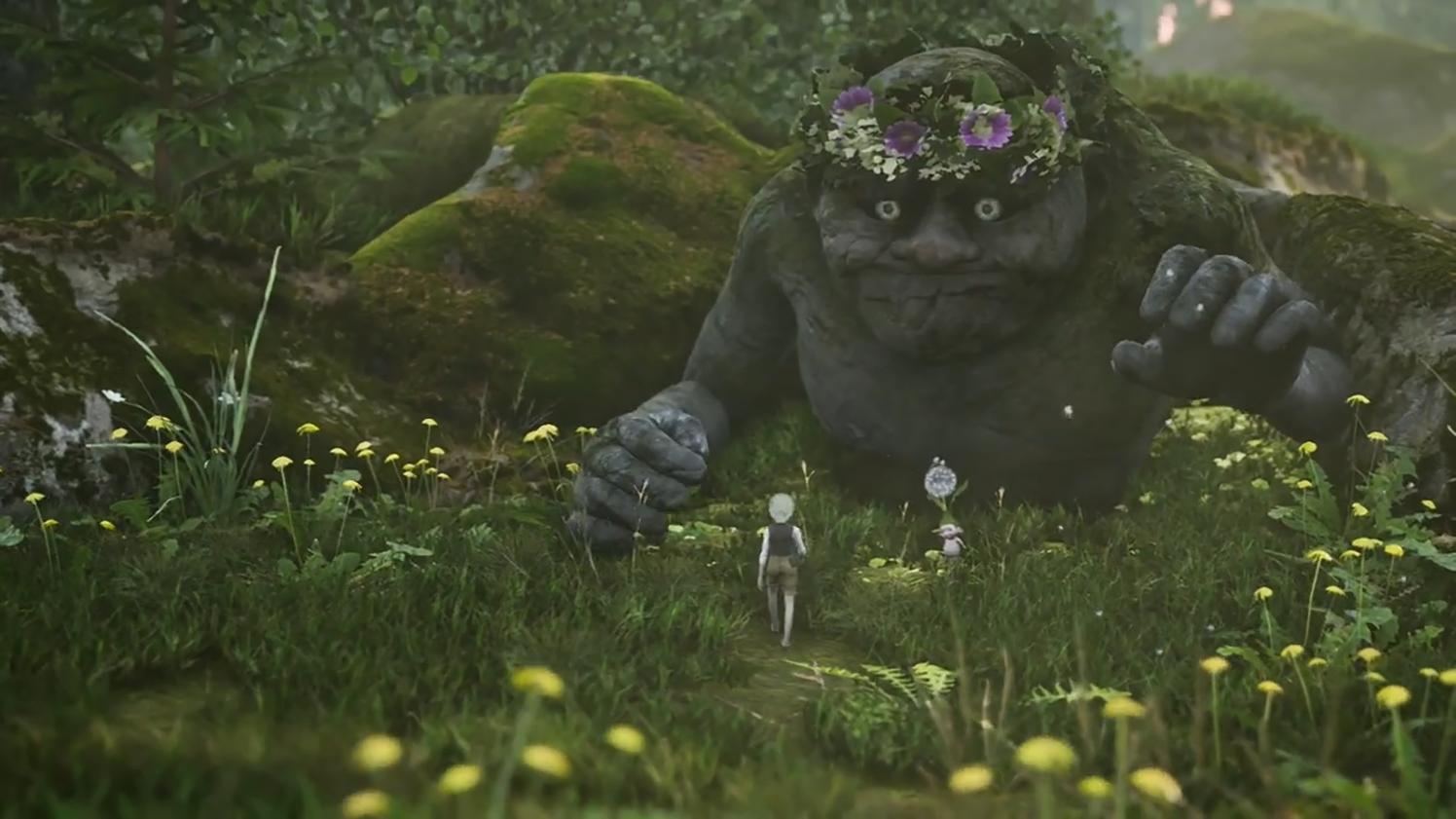
Beautiful and horrible in equal measure — which is exactly what Nordic folklore requires. The world shifts between sun-drenched forest clearings populated by cheerful gnomes and stone golems, and oppressive darkness filled with creatures that no amount of visual polish makes less threatening. The creature design in particular is exceptional — each monster feels genuinely researched rather than invented, which gives them an authority that purely fictional creature design rarely achieves.
🌲 Did You Know?
Dimfrost Studio is based in Sweden, and the team leaned heavily into their own cultural heritage when building the game. Scattered throughout Bramble are interactive storybooks that tell the real folk tales behind each creature Olle encounters — not invented lore, but actual Scandinavian folklore passed down through generations. It is a quieter version of the same research commitment you find in Never Alone or The Mooseman: a game that treats its source material as something worth preserving rather than just borrowing.
Gameplay
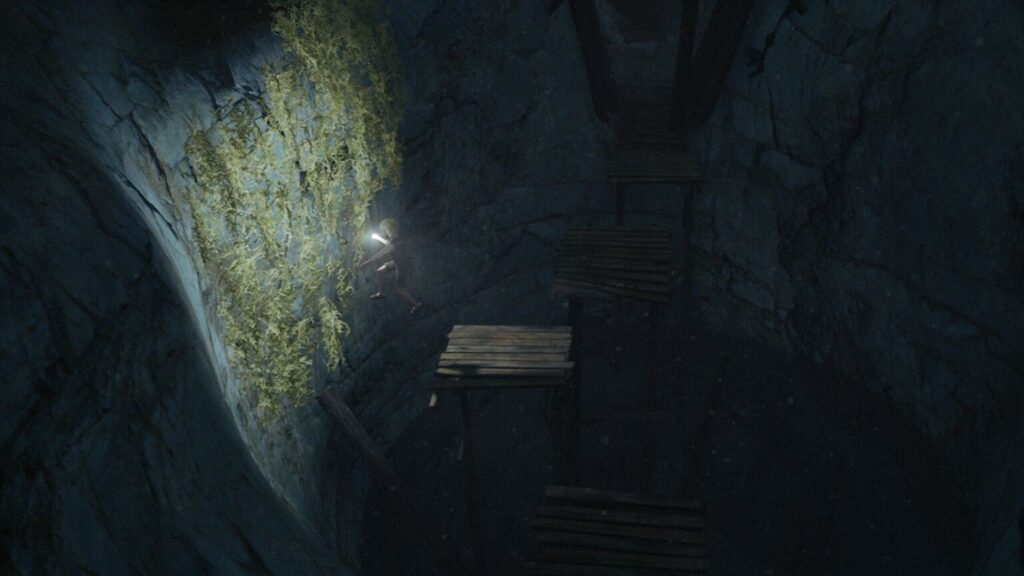
Light platforming, stealth sections, environmental puzzles, and boss encounters — Bramble mixes its mechanics without going especially deep into any of them. None of it is mechanically groundbreaking, and the game never pretends otherwise. It is clearly prioritising atmosphere and storytelling over challenge, which is the right call. The boss fights are where the game earns its most memorable moments — cinematic, physically threatening encounters that use the creature designs to full effect. Checkpoints are generous enough that frustration stays minimal even when things get difficult.
The one honest criticism is the loading screens between sections, which occasionally break the atmosphere at the worst possible moments. A small thing, but noticeable in a game this invested in immersion.
Atmosphere
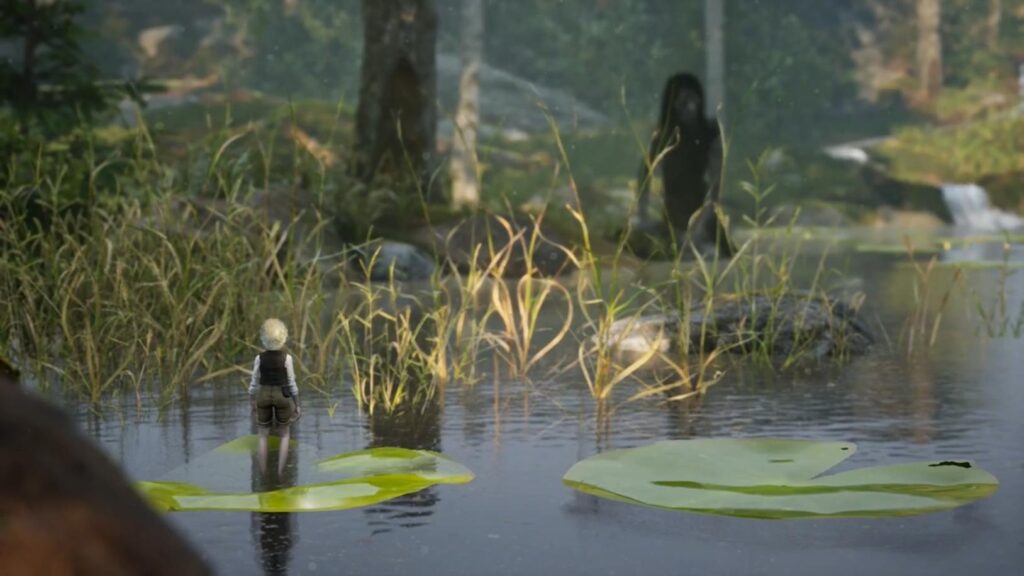
The best thing about Bramble, by some distance. The soundtrack is haunting and restrained, and the narration — that quiet, measured voice reading Olle’s story like a fable — gives the whole game a texture that lingers after you finish. The contrast between the game’s lighter, more whimsical moments and its genuinely horrifying ones is handled with real intelligence — you never become desensitised to the darkness because the game keeps giving you breathing room before pulling the rug again.
🎮 My honest opinion
Bramble: The Mountain King is one of the most effective horror-adjacent cinematic platformers I have come across. It is not mechanically ambitious, but it does not need to be — the atmosphere, creature design, and genuine cultural grounding do the heavy lifting, and they do it exceptionally well. If you have any appetite for dark folklore, for Scandinavian mythology, or just for a game that commits completely to making you uncomfortable in an intelligent way, this is essential.
Where can I play Bramble?
Bramble: The Mountain King is available on PC DRM-free on GOG — also worth checking Fanatical for deals. Also available on PlayStation 4, PlayStation 5, Xbox One, Xbox Series X/S, and Nintendo Switch. At around five to six hours it is well-paced and modestly priced.
Similar Games
If you are drawn to cinematic platformers rooted in real mythology and folklore — games that treat their cultural source material seriously — our feature on cinematic platformers built on real cultural tradition covers exactly this corner of the genre. Here are 2 games that do exactly that:
Never Alone (Kisima Ingitchuna) (2014)
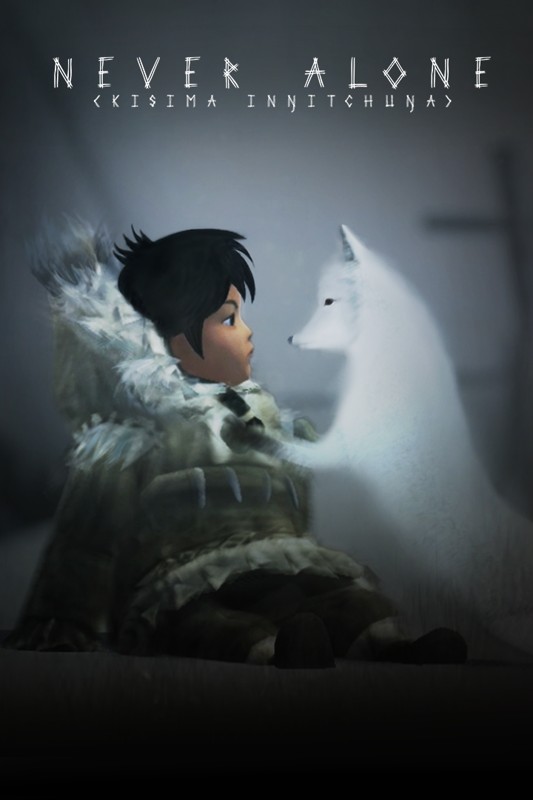
If the genuine folklore research behind Bramble is what resonated most — the sense that this world was built on real stories rather than invented ones — Never Alone shares that same commitment to cultural authenticity, albeit in a very different emotional register.
The Mooseman (2017)
The Mooseman is the closest companion piece to Bramble in terms of genuine folklore commitment — another game built entirely around a specific, rarely represented cultural mythology, with the same instinct for treating folk tradition as something worth preserving rather than just decorating. Darker, slower, and more abstract than Bramble, but the underlying seriousness is identical.