
While writing reviews for this site, I started noticing a pattern. Certain games kept coming up that shared the same underlying idea: rather than inventing a fictional world from scratch, they rooted themselves in real cultural traditions — folklore, mythology, ancient art forms. It got me curious enough to look closer.
Most games that draw from history or culture do so at arm’s length. They borrow an aesthetic, lift a few names from a Wikipedia page, and call it worldbuilding. That is fine — but it means that when a game actually goes to the source and does the real work, you feel it immediately. And a handful of cinematic platformers genuinely went there — deeper than you would ever expect from the genre.
This is not a long list. But every game on it is worth your time!
Never Alone (Kisima Ingitchuna, 2014) — Iñupiat folklore, Alaska

Never Alone is probably the most explicit example of genuine cultural collaboration in the entire history of the genre. It was developed by Upper One Games — a studio founded in partnership with the Cook Inlet Tribal Council, representing Alaska Native communities — and built from the ground up as a way to bring Iñupiat stories to a global audience through interactive storytelling.
The game follows a young girl named Nuna and her arctic fox companion as they search for the source of a blizzard that is threatening their village. The story is drawn directly from a traditional Iñupiat tale, and the development process involved extensive consultation with elders and community members who guided everything from the narrative to the visual language to the way the natural world is depicted.
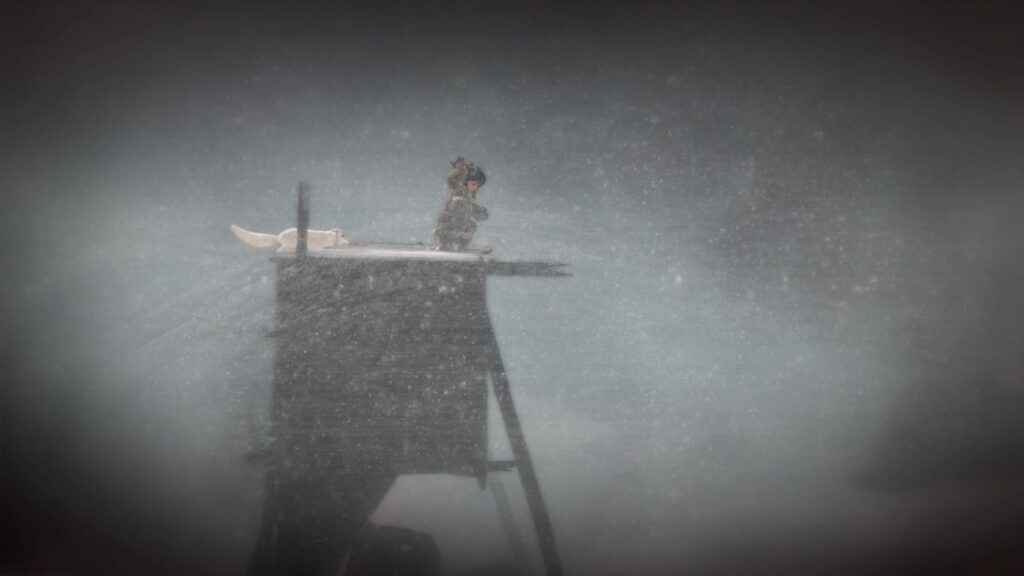
What I find most striking about Never Alone is the documentary footage unlocked as you play — short films featuring Alaska Native community members talking about the stories, the traditions, and the values embedded in the game world. It is a remarkable decision that transforms the experience from a game about a culture into something closer to a conversation with one. By the time you finish, you know something real about the Iñupiat people that you did not know before — and that feels genuinely valuable in a way that goes beyond entertainment.
As a cinematic platformer, it is deliberate and atmospheric, with a cooperative mechanic between Nuna and the fox that mirrors the interdependence at the heart of the story. It is not the most mechanically ambitious game on this list, but it might be the most important.
The Mooseman (2017) — Komi/Permic mythology, Russia
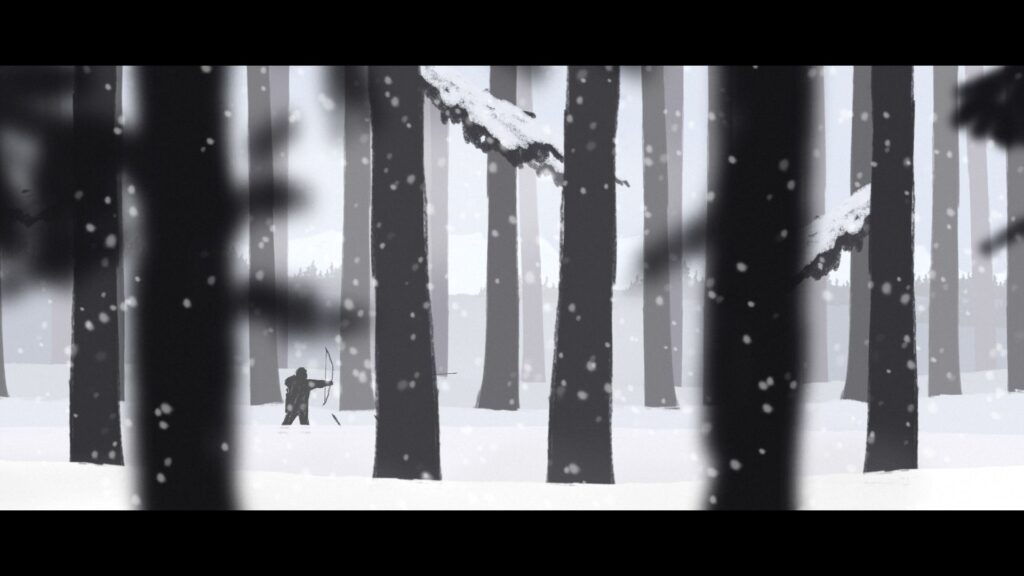
The Mooseman is a quieter, stranger entry — and one that I think is significantly underappreciated even within the genre. Developed by Russian studio Morteshka, it draws from the mythology and belief systems of the Komi people, a Finno-Ugric indigenous group from the Perm region of Russia whose traditions are rarely represented anywhere in popular culture, let alone in video games.
You play as the Mooseman, a figure from Komi cosmology, moving through the three layers of the world as understood in Permic myth: the lower world, the middle world, and the upper world. The game is almost entirely silent — a slow, monochromatic journey through symbolic imagery that demands a certain patience and openness to unfamiliar visual language. It is less immediately accessible than the other games on this list, but that difficulty is part of the point. This is not a tradition the developers are explaining to you from the outside. They are inviting you into it.
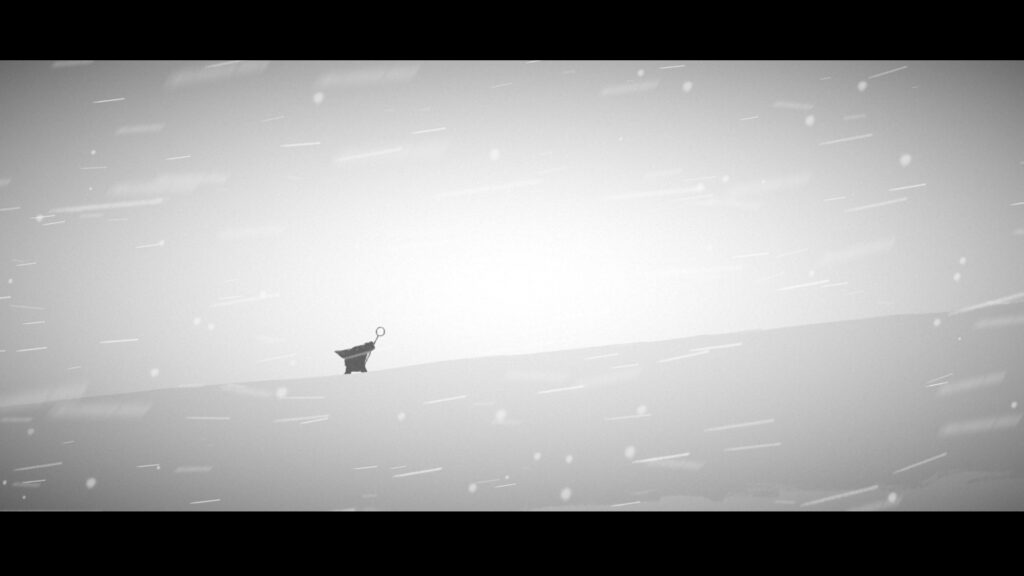
What strikes me about The Mooseman is how specific it is. This is not generic Norse mythology or vague shamanic imagery — it is rooted in a very particular cultural tradition that most players will have no prior reference point for. The game includes extensive notes on the mythology and symbolism it draws from, which turns the experience into something genuinely educational without ever feeling like a lecture. I came away from it knowing that the Komi people exist, knowing something about how they understood the structure of the world, and wanting to know more. For a two-hour game, that is an extraordinary outcome.
Residue: Final Cut (2014) — The Aral Sea disaster, Uzbekistan
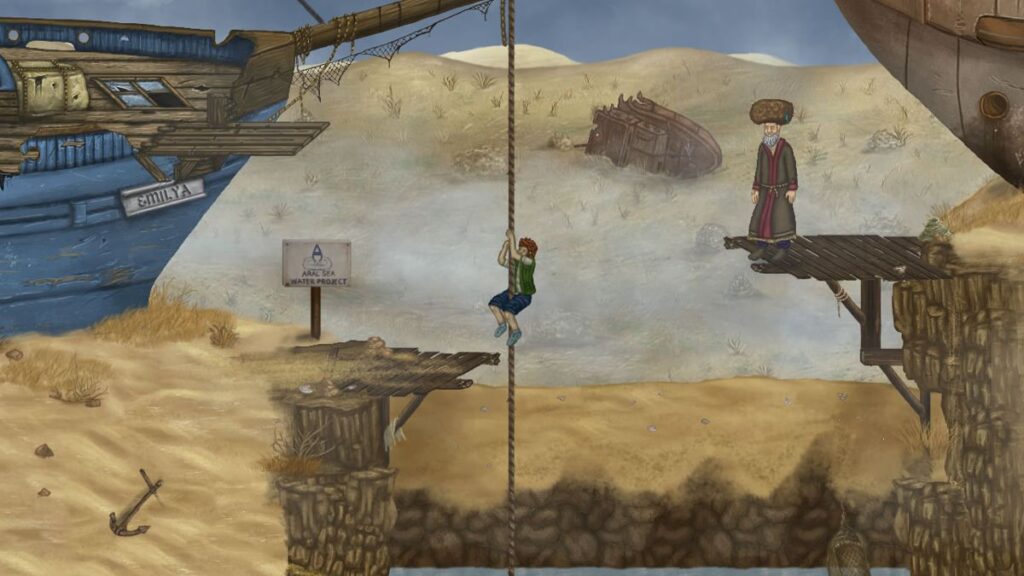
Residue: Final Cut is the most obscure game in this article — but with a genuine claim to be here.
The setting is Mo’ynoq, a former port city in what is now Uzbekistan, built on the shores of the Aral Sea. The Aral Sea no longer exists. Between the 1960s and 1990s, Soviet irrigation projects drained it almost entirely — what was once the fourth largest lake in the world became a salt flat scattered with the rusting hulls of fishing boats that never moved again. Mo’ynoq, which once had a thriving fishing industry, was left stranded in the middle of a desert. It is one of the most catastrophic environmental disasters in human history, and almost nobody outside the region has heard of it.
The Working Parts built an entire game around it. Three playable characters — a boy, an old man, a worker — navigate the abandoned excavation site through twelve chapters, each shaped by the specific geography, architecture, and human cost of the disaster. The controls are janky and the game is rarely discussed. But the commitment to documenting a real place and a real catastrophe through the specific language of a cinematic platformer puts it in genuinely rare company.
I came away from Residue knowing that the Aral Sea disaster happened and wanting to know more. For a small indie game set in a location most players will never have heard of, that is exactly what this kind of game should do.
Projection: First Light (2020) — Shadow puppetry across five cultures
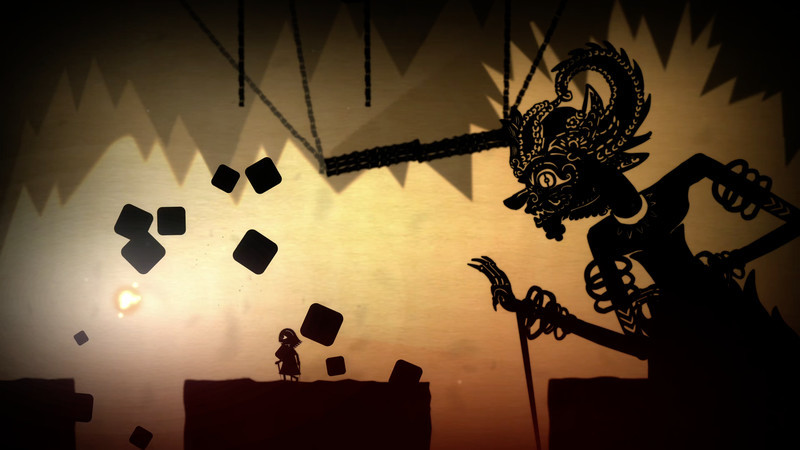
Projection: First Light takes a different approach to the same underlying idea: rather than focusing on a single cultural tradition, it builds its entire world around shadow puppetry as a global art form and then takes you on a tour of five distinct regional traditions — Javanese, Chinese, Turkish, Greek, and 19th century English — each with its own visual language, musical palette, and storytelling conventions.
What makes it more than a surface-level tour is the research that went into it. Developer Shadowplay Studios consulted Australian shadow puppeteer and historian Richard Bradshaw, who guided the team on the order of the cultural worlds, helped them understand how puppets move and are constructed in each tradition, and ensured that every representation was accurate and respectful.
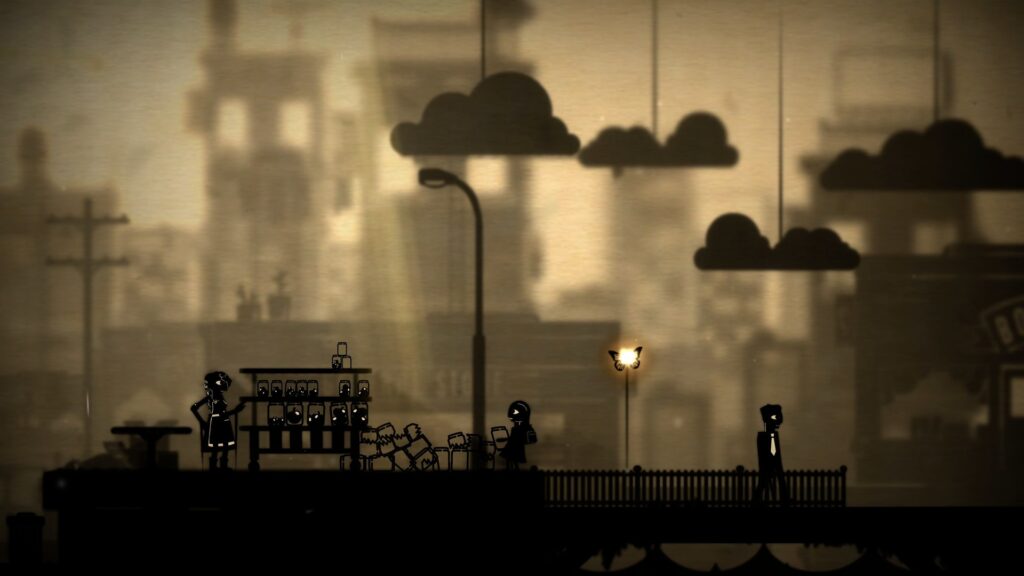
The soundtrack was recorded using period-authentic instruments from each culture. The result is a game where every chapter genuinely feels different — not just visually, but in its rhythm and texture — because the team understood that Javanese shadow puppetry and Chinese shadow puppetry are not interchangeable.
As a mechanical idea, using light and shadow as a platforming foundation is one of the most elegant in the genre. But what elevates Projection beyond a clever puzzle game is the feeling that you are moving through something real — that the world of each chapter was built by people who actually understood what they were depicting. That is rarer than it should be.
Trek to Yomi (2022) — Japanese Samurai cinema and Bushido culture
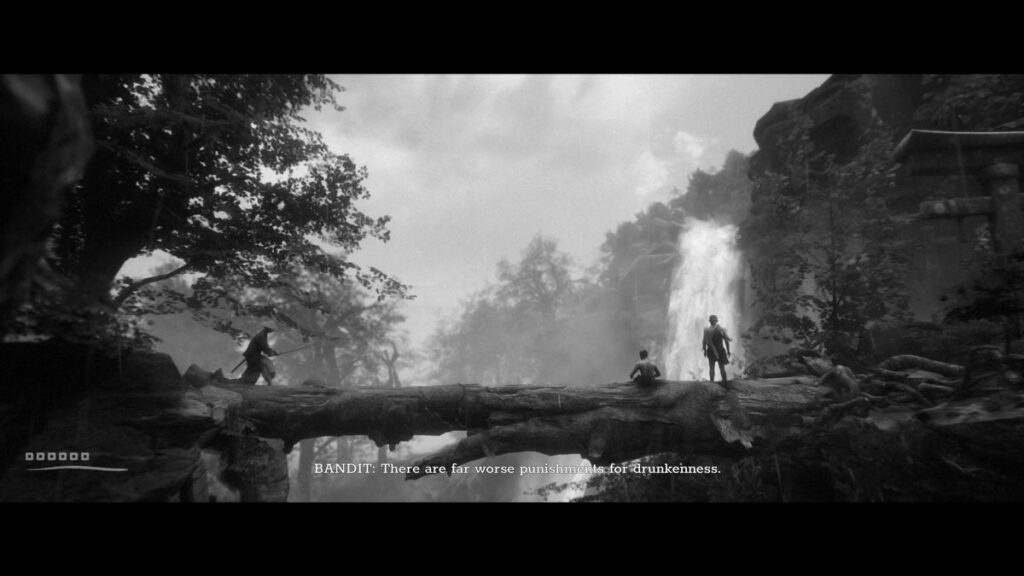
Trek to Yomi is the most visually striking game on this list, and probably the most widely known. Developed by Polish studio Flying Wild Hog and published by Devolver Digital, it is a cinematic side-scrolling action game shot entirely in high-contrast black and white, with a visual language drawn directly from the films of Akira Kurosawa — the framing, the lighting, the way characters move through landscapes that feel simultaneously vast and intimate.
What earns Trek to Yomi its place here is not just the Kurosawa aesthetic — plenty of games have borrowed that — but how deeply the developers engaged with the cultural and philosophical framework behind it. The game is steeped in Bushido, the samurai code of honour, and in the Japanese concept of Yomi — the underworld of Shinto mythology — which becomes the literal setting of the game’s second half. These are not decorative references. They shape the narrative logic, the moral choices the protagonist faces, and the meaning of the ending.
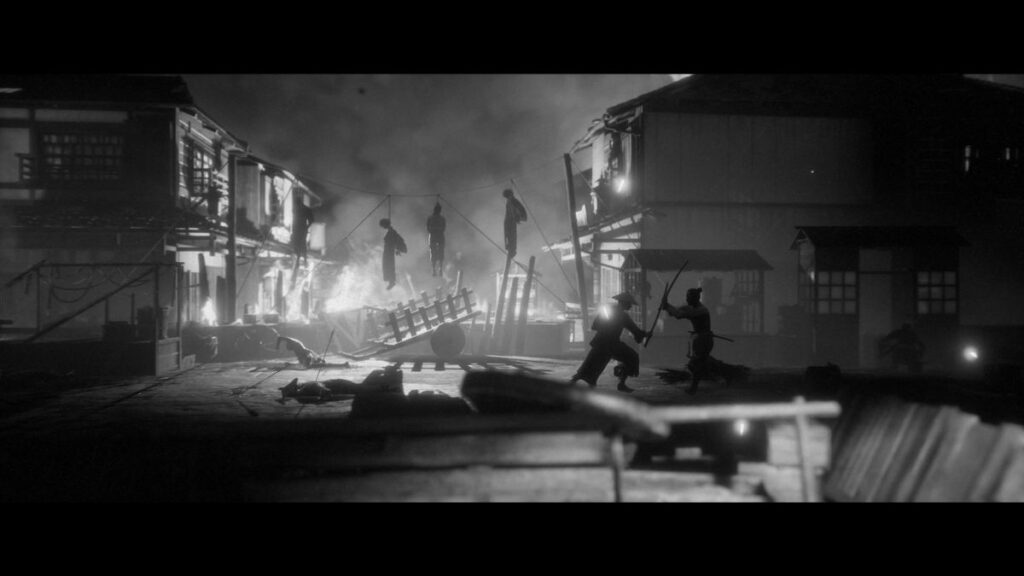
Flying Wild Hog clearly did their homework. The combat feels like it was designed by people who had actually studied how a katana moves. The environmental design references specific periods of Japanese architectural history. And the score — performed with traditional Japanese instruments alongside orchestral elements — gives the whole thing an authenticity that a purely aesthetic approach could never achieve.
Trek to Yomi is the most action-oriented game on this list, and the least gentle. But it belongs here because it treats its cultural source material with the same seriousness as its combat design — and that combination is what makes it genuinely memorable.
A Juggler’s Tale (2021): Worth mentioning
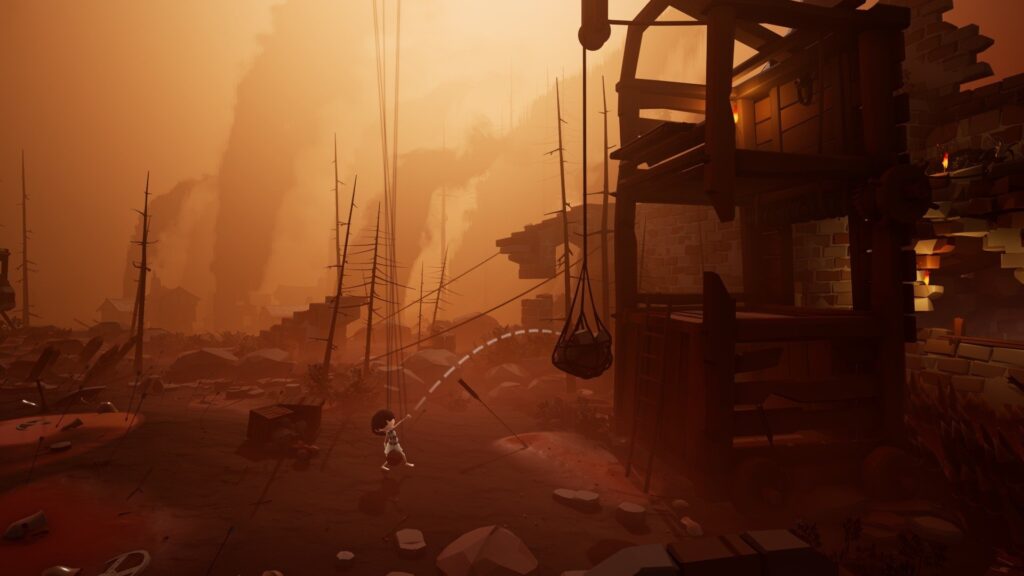
A Juggler’s Tale sits slightly outside this category but deserves a mention. Puppet theatre is a genuine and ancient European folk tradition — marionettes, the travelling show, the storyteller narrating the performance — and kaleidoscube clearly understood that tradition well enough to make it the foundation of everything, not just the visual style.
It is not the same level of documented cultural research as Never Alone or The Mooseman, but there is something to be said for a game that preserves the feeling and mechanics of an art form that most people have never actually experienced. In its own quiet way, it keeps something alive.
Bramble: The Mountain King (2023) — Scandinavian folklore, Sweden
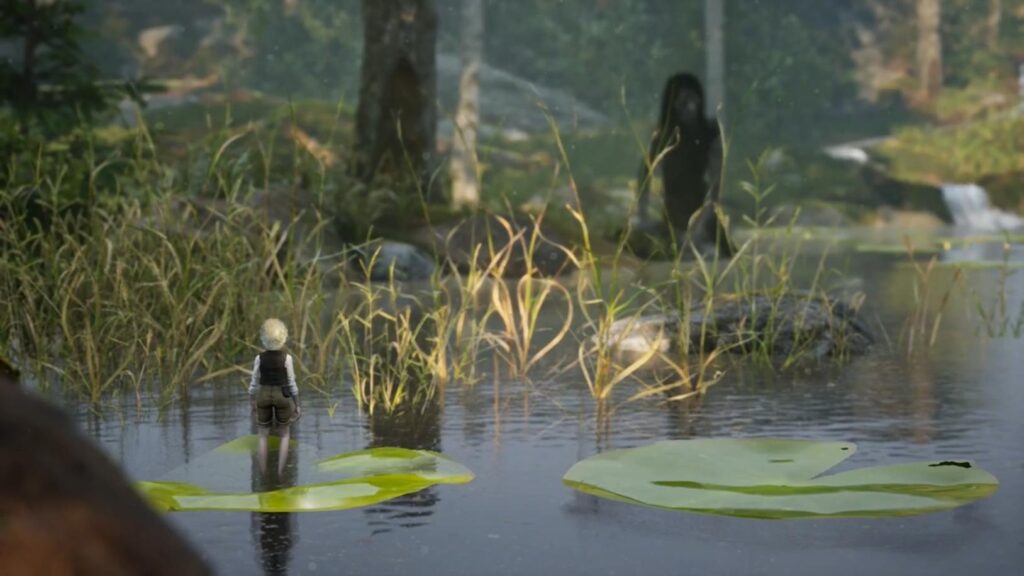
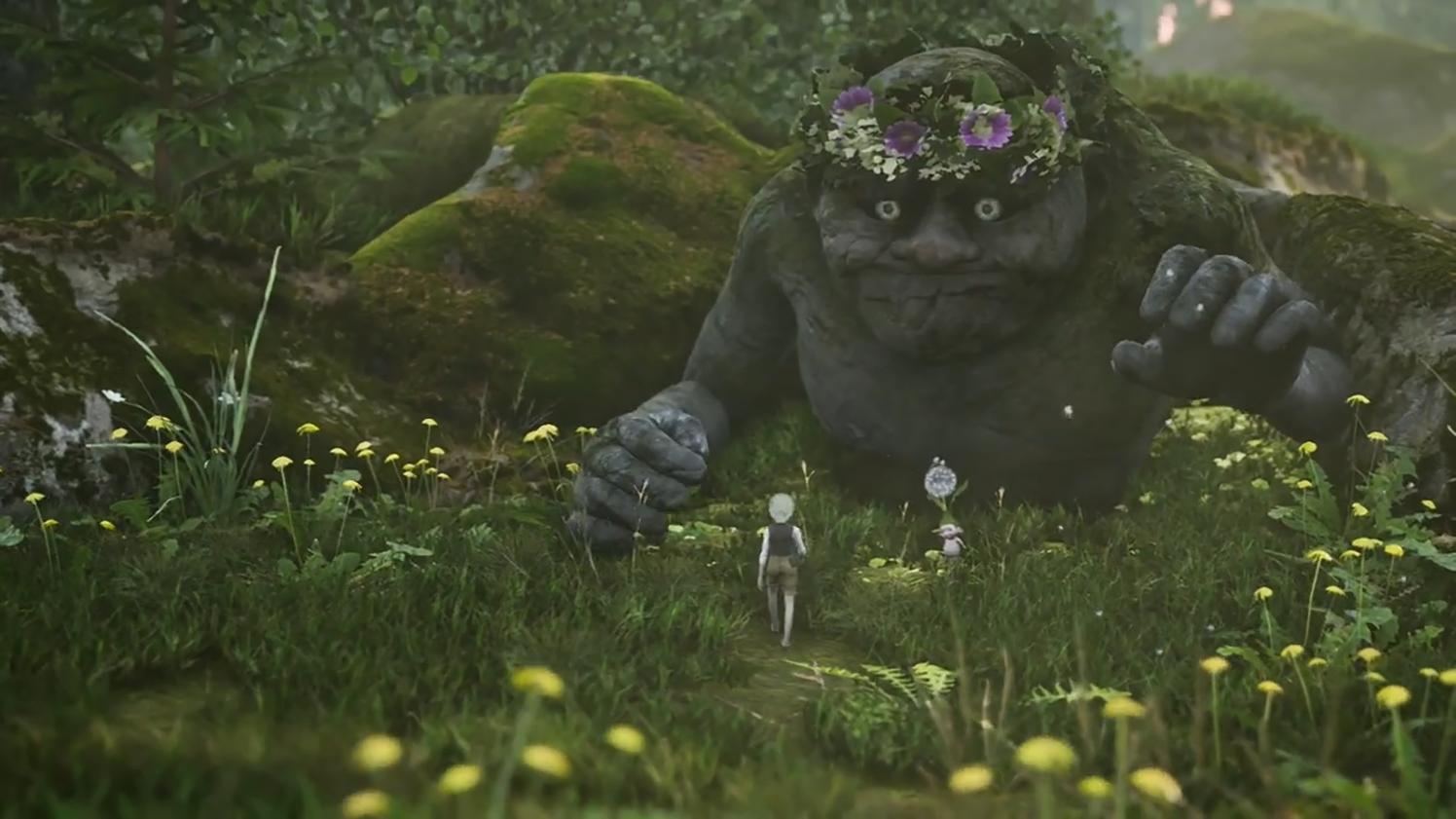
Bramble: The Mountain King sits closer to the core of this article than it might first appear. Swedish studio Dimfrost built the game around genuine Scandinavian folk mythology — trolls, nøkken, pesta — not as decoration, but as the structural foundation of every chapter. Each creature Olle encounters is rooted in real tradition, and the game includes interactive storybooks telling the actual folk tales behind each one: where they came from, what they meant, how they were used to explain the world before science did.
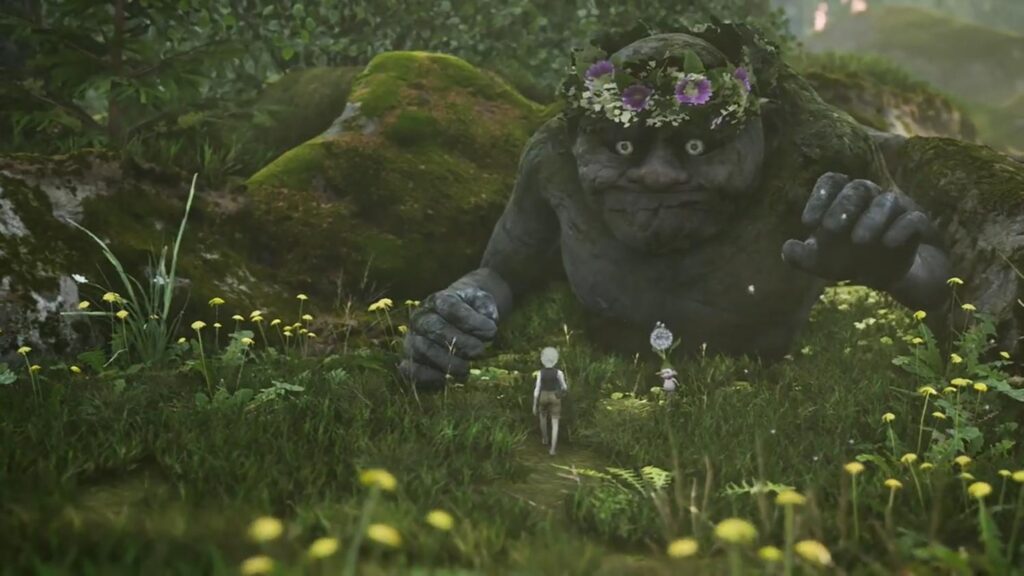
What makes Bramble earn its place here is that Dimfrost is a Swedish studio drawing from their own heritage. This is not a team that looked at Scandinavian aesthetics from the outside and thought it would make a good game. It feels personal — the way The Mooseman feels personal, or the way Never Alone could only have been made in collaboration with the people whose stories it tells.
The darkness of the game is the darkness of the real folklore, not an invented one. And there is something genuinely valuable about a game that takes stories passed down through generations and puts them in front of an audience that would never have encountered them otherwise.
Why do I actually care about this?
Honestly? Because these games feel real in a way most don’t. You can tell they weren’t just thrown together — someone actually cared, did the research, and wanted to get it right. There is a difference between a game that borrows an aesthetic and a game that genuinely tries to understand what it is drawing from. These games are the second kind, and you feel it from the first few minutes.
When you play them, it feels more authentic, they are not just “another game”, as they carry something. It may sound weird, but it gives them a little “extra”, whcih makes them more enjoyable.
And honestly, beyond that, I just like to discoover discovering things I know nothing about 🙂 I had never heard of the Komi people before The Mooseman. I knew nothing about Iñupiat folklore before Never Alone. If i can play play a cinematic platformer and learn comething at the same time, I’ll take that any day!