
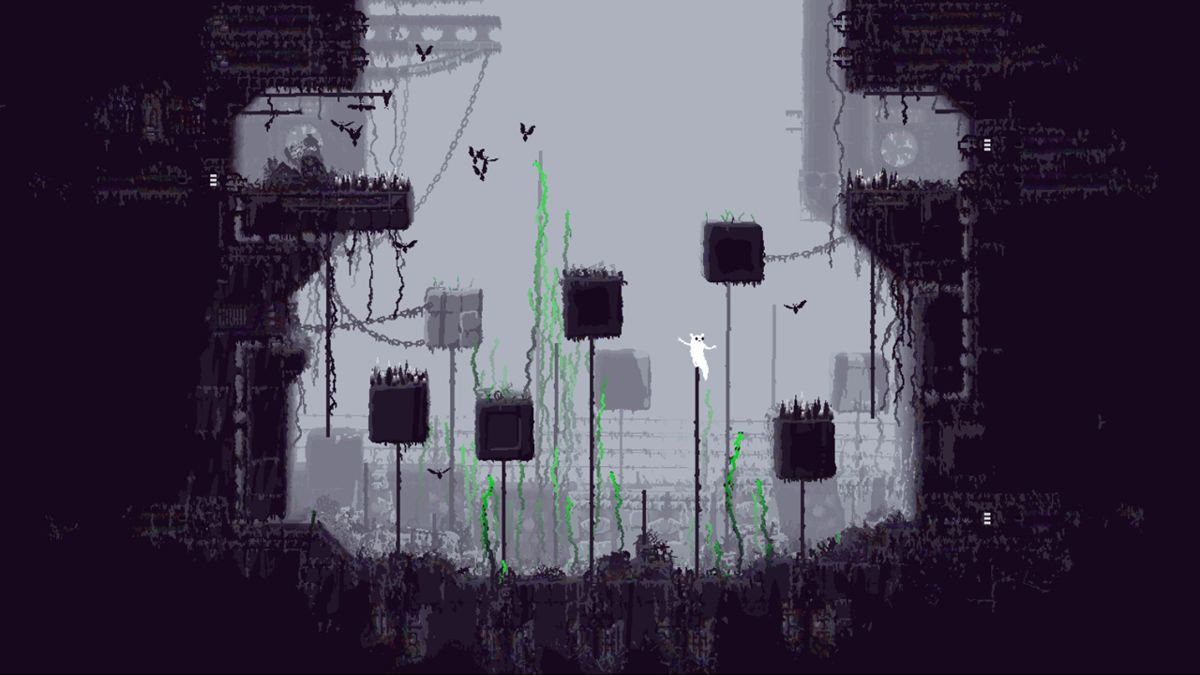
Believe me: Sometimes it feels really difficult to NOT put a game i love in the database. Genre definitions are messy, and some games live right on the border. Let’s take Rain World (2017) as example. On paper it qualifies. In practice it feels more like a Metroidvania wearing cinematic platformer clothes. Even though i reallly want it to be a cinematic platformer!
So i created this page, which documents the games that came close to making the cinematic platformer database — close enough that I had to think carefully, close enough that genre fans will almost certainly enjoy them, but not quite close enough to earn a full entry.
Being on this list is not a criticism. Some of the most interesting games here are genuinely excellent — Valiant Hearts is one of the most emotionally affecting games of the 2010s, and Father World is a fascinating piece of gaming archaeology and Rain World is just awesome. They simply do not fit the specific design philosophy that defines the genre. That is a distinction, not a judgement.
Browse the list, check the verdicts, and decide for yourself. We might be wrong about some of them — and if you think we are, the comments are there and maybe you’ll convince me to change my mind on one or the other!
🎮 Looking for 3D games? Games like ICO, Journey, and Stray share the cinematic platformer spirit but live in a separate category. See our guide to 3D games cinematic platformer DNA.
Dylan Dog: The Murderers (1992)

An Italian licensed action-adventure based on Tiziano Sclavi’s beloved comic series — Dylan Dog navigating a mysterious mansion through fixed flip-screens, finding keys, fighting murderers with whatever weapons he can find. The comic-art storytelling, atmospheric horror setting, and fixed screen presentation all point toward the genre. The basement section reportedly emphasises proper platforming.
But the primary loop is combat-driven, and the licensed comic book structure shapes every design decision ahead of any cinematic platformer philosophy.
⚖️ Verdict: Close enough to earn a mention — closer to the genre than most licensed games of the era.
Note: Simulmondo produced a series of similar comic book adaptations throughout 1992-1994 — Tex, Nathan Never, Diabolik, Simulman, Time Runners, and Spider-Man — all following the same fixed flip-screen formula with varying degrees of adventure game and action elements. Dylan Dog sits closest to the cinematic platformer tradition of the group; the others lean progressively further toward adventure game territory. All share this borderline verdict.
Generations Lost (1994)
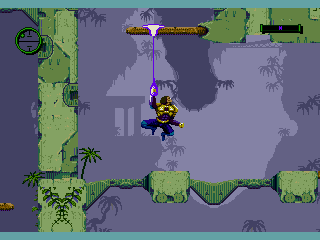
The first controversial one in this list! A Sega Genesis action platformer following Monobe, a warrior uncovering the secrets of his civilisation — puzzle solving, hidden switches, rope swinging, and a slow methodical pace that rewards exploration over speed. MobyGames categorises it as a cinematic platformer, and it is regularly grouped alongside Flashback and Another World in genre discussions. In practice the comparison is generous — the combat-heavy design and X-Men clone origins sit closer to action platformer territory than the deliberate philosophy of the genre.
⚖️ Verdict: A game the community cannot quite agree on — and that disagreement is itself the most interesting thing about it. Close enough to belong in this article, not quite close enough for the database.
Father World (1994)
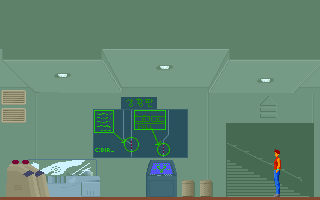
A DOS action-adventure that wears Another World’s visual language like a costume — same polygon art style, same movement vocabulary, almost identical character animation. At first glance it looks like a lost 1994 cinematic platformer nobody talks about.
Look closer and the illusion breaks. Father World is fundamentally an adventure game — exploration, NPC conversations, quests, and an upgradeable shotgun that feels completely at odds with the genre’s design philosophy. The platforming is minimal and incidental rather than structural.
⚖️ Verdict: Not a cinematic platformer. A fascinating Another World clone that borrowed the aesthetic without understanding what made it work.
Ar’Kritz the Intruder (1996)
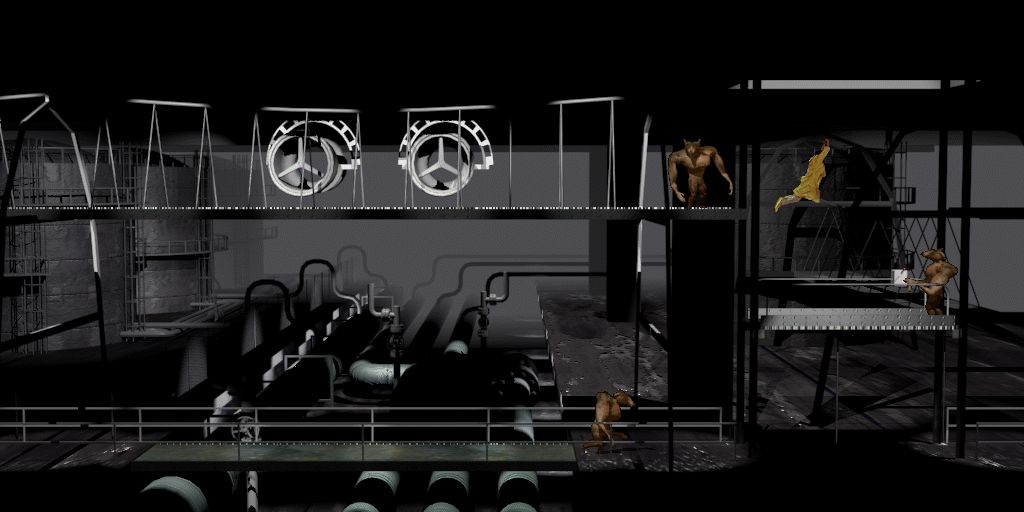
A French sci-fi action platformer with a genuinely unusual visual approach — motion-captured animation and photo-manipulated backgrounds that one reviewer described as taking “the Prince of Persia creed of realism a notch too far.” The premise is memorably bizarre: a man accidentally swallows a microscopic alien police officer and slowly mutates. The movement and puzzle elements nod toward the genre, but 230 screens of combat-heavy action platforming across ten levels sits closer to an action game than a cinematic platformer.
⚖️ Verdict: Borderline leaning no. Visually distinctive and worth knowing about — the motion capture and photo backgrounds are genuinely unusual for 1996.
Iji (2008)
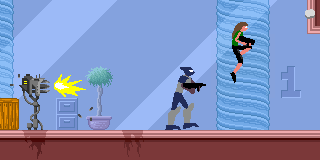
A freeware action platformer by Swedish developer Daniel Remar — a young woman enhanced with alien nanotechnology navigating a research facility during an extraterrestrial invasion. The narrative depth is extraordinary for a solo freeware project, the environmental storytelling is excellent, and Daniel Remar himself cited Another World as a direct inspiration. Hardcore Gaming 101 describes the gameplay as “a blend of Metroidvania and a cinematic platformer.”
But Iji is fundamentally a Metroidvania shooter — levelling system, upgradeable weapons, multiple paths, boss fights, and RPG elements that take it well beyond the cinematic platformer tradition. The cinematic platformer DNA is clearly present in the atmosphere and storytelling ambition. The design is something else.
⚖️ Verdict: A genuinely interesting case — a game that absorbed Another World’s spirit without adopting its structure. Worth playing on its own terms, which are considerable.
Rochard (2011)
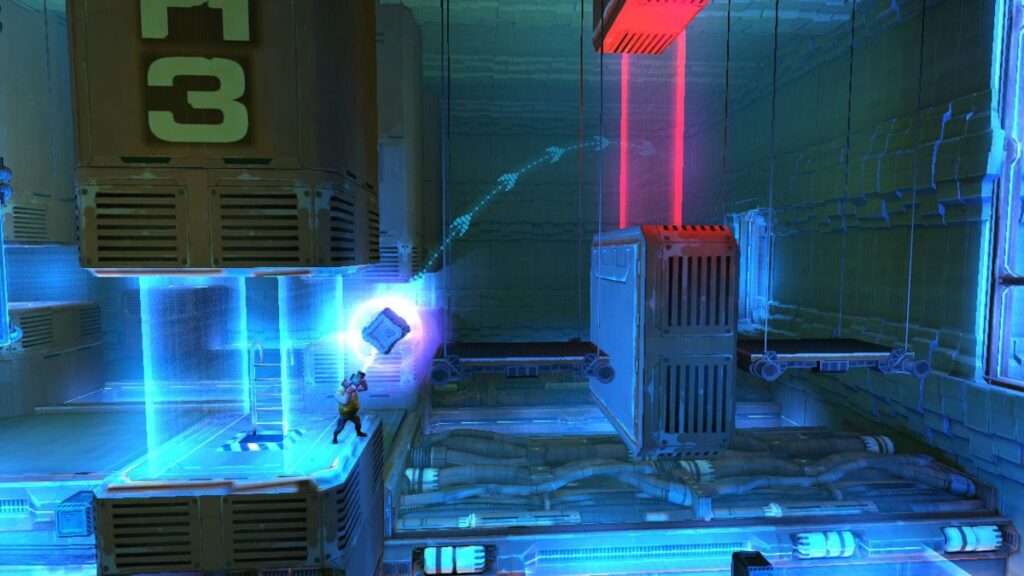
A Finnish sci-fi puzzle platformer following space miner John Rochard as he battles mercenaries using a gravity-manipulating G-Lifter. The puzzle-first design, environmental manipulation, and 2.5D side-scrolling presentation give it genuine cinematic platformer adjacency — it is sort of a “Half-Life in 2D” also with strong Flashback vibes. But the combat sections and action-heavy stretches push it toward something different.
⚖️ Verdict: Strong puzzle design and atmosphere, weaker on cinematic platformer philosophy.
The Adventures of Tintin (2011)
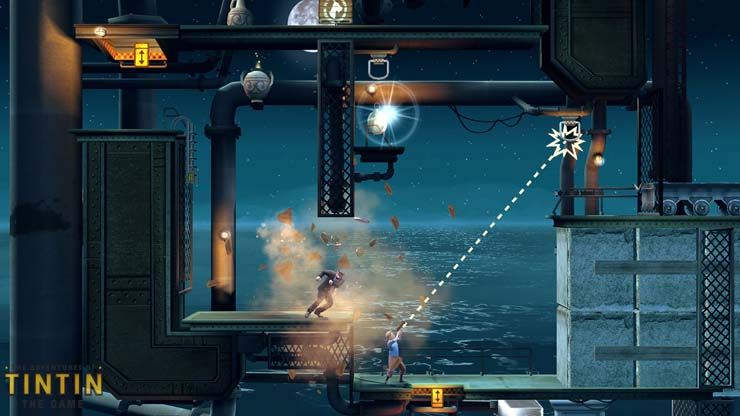
More interesting than most licensed platformers — Tintin sneaks, hides in barrels, grabs ledges, throws objects, and uses Snowy and Haddock as puzzle tools. The environmental problem solving and companion mechanics gesture genuinely toward the genre. But regular melee combat, boss fights, and the licensed structure ultimately keep it in action-adventure territory.
⚖️ Verdict: Borderline — stronger case than most licensed games. One of the more genuine borderline entries on this list.
Mark of the Ninja (2012)

A critically acclaimed 2D stealth platformer from Klei Entertainment — stunning hand-painted animation, atmospheric ninja world, cinematic presentation throughout. The visual quality and storytelling ambition sit squarely in cinematic platformer territory.
But the design is stealth action first — upgradeable gadgets, semi-open levels, multiple combat approaches — rather than the deliberate, committed movement philosophy the genre requires. One of the strongest borderline cases on this list, and genuinely worth playing regardless of where it falls.
Stealth encourages systemic improvisation. Cinematic platformers traditionally prefer authored solutions.
⚖️ Verdict: Cinematic in presentation, stealth action in design. Belongs in the same conversation without quite belonging in the database.
Rain (2013)
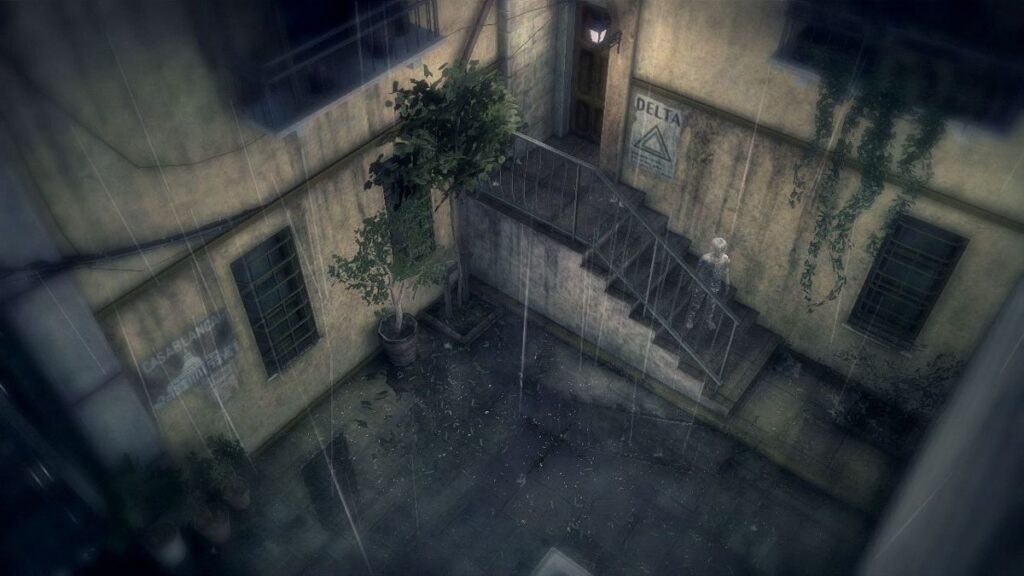
A PS3 atmospheric adventure following an invisible boy through rain-soaked streets — only visible to monsters when standing in the downpour. Cinematic fixed camera perspectives, stealth mechanics, environmental puzzle solving. But the 3D free movement environment puts it outside the side-scrolling cinematic platformer tradition — closer to ICO or Journey in spirit.
⚖️ Verdict: Borderline. A genuinely atmospheric game that belongs in the conversation about 3D games with cinematic platformer DNA — but not the main database.
Puppeteer (2013)
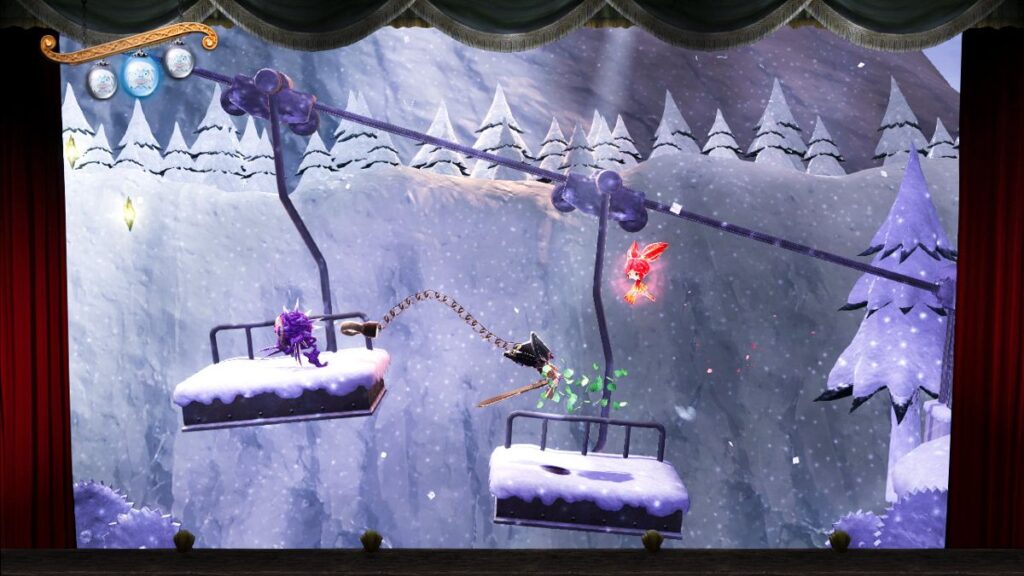
Japan Studio’s PS3 exclusive presents its entire world as a live puppet theatre — curtains, stage sets, crowd reactions, pantomime dialogue. The theatrical commitment is extraordinary and the dark fairytale atmosphere is genuinely distinctive. Push Square called it “one of the most cinematic platformers we’ve ever played.” But beneath the presentation sits a combat-heavy action platformer with boss fights, head-collecting mechanics, and scissors-based combat that belong to a different genre tradition.
⚖️ Verdict: The most theatrical game on this list — and the one where presentation most clearly outpaces genre credentials.
Nihilumbra (2013)
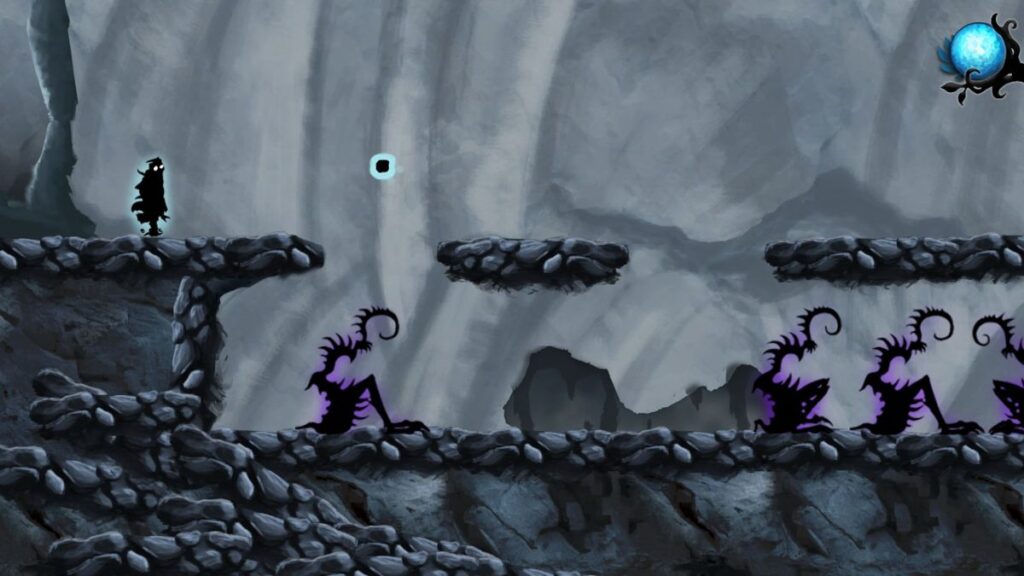
A Spanish puzzle platformer following a being born from the Void — acquiring colour-based powers to reshape surfaces and escape the darkness consuming the world. Dark, atmospheric, and existentially serious for a mobile-origin game. The colour mechanics are inventive and the nihilistic tone gives it genuine genre adjacency. But the constant narration, mobile-first origins, and standard puzzle platformer structure keep it at arm’s length from the cinematic platformer tradition.
⚖️ Verdict: The atmosphere earns it a mention. The narration and mobile DNA keep it out of the database.
The Cave (2013)
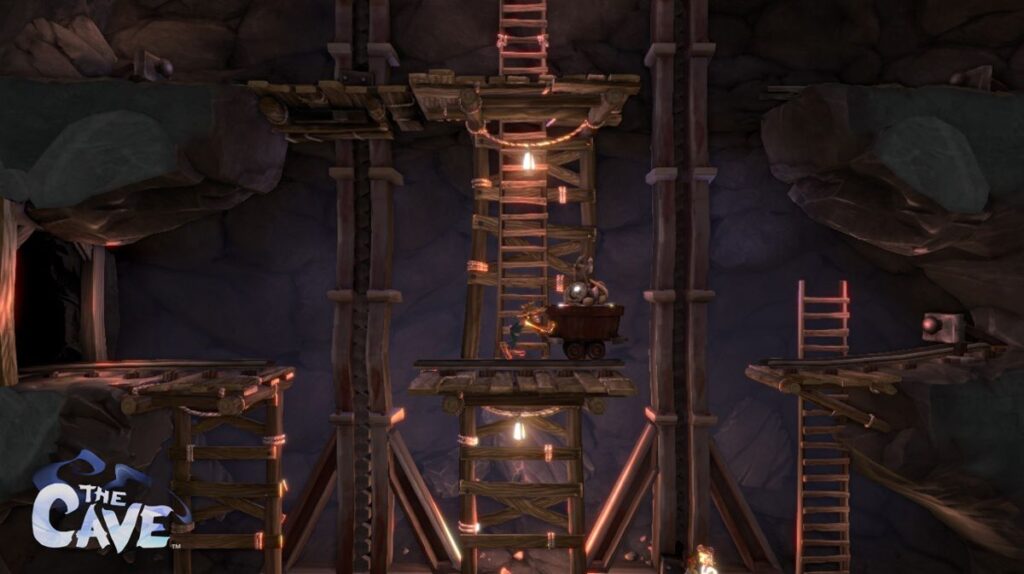
Ron Gilbert’s cave-diving adventure — the Monkey Island creator applying his adventure game instincts to a side-scrolling format. Seven characters with unique abilities and backstories descend into a sentient cave that shows them their darkest desires. The wordless environmental storytelling, fixed camera, and deliberate movement are all in cinematic platformer territory.
But The Cave is fundamentally a point-and-click adventure game in side-scrolling clothing — inventory management, item combining, character-specific puzzle solutions. The platforming is a vehicle for the adventure game structure rather than the point itself.
⚖️ Verdict: One of the more genuinely interesting cases on this list — a game that uses the visual grammar of the cinematic platformer to tell a Ron Gilbert story. Worth playing regardless of where it falls.
Max: The Curse of Brotherhood (2013)
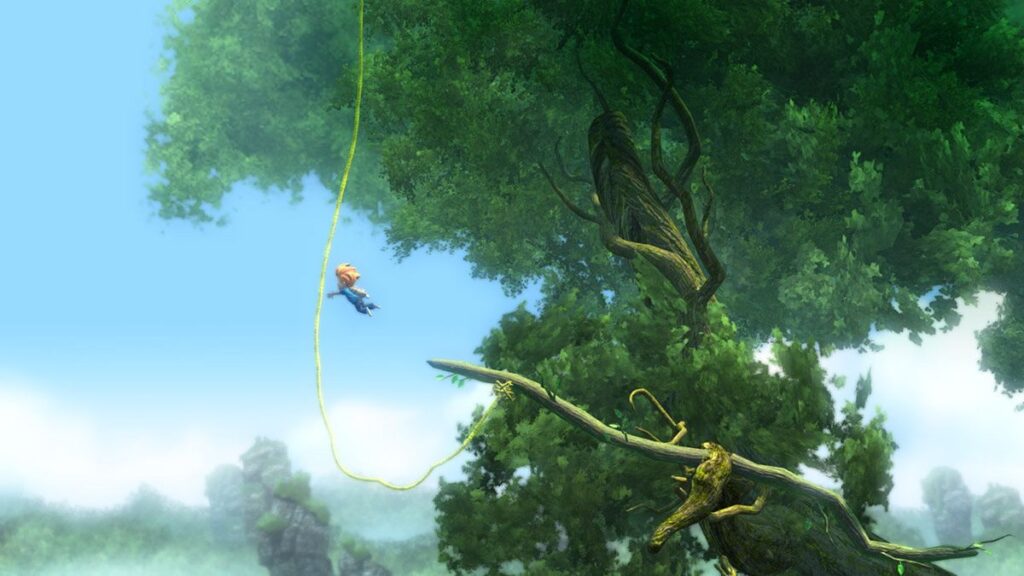
A 2.5D puzzle platformer where Max draws platforms, vines, and water jets with a magic marker to rescue his brother from another dimension. Compared to Limbo by several reviewers — same instant-death philosophy, atmospheric environments, puzzle-first design. But the colourful Pixar-adjacent visual style and family-friendly tone sit at odds with the genre’s usual atmospheric seriousness.
⚖️ Verdict: Closer than it looks — but the cartoon presentation and action-heaviness keeps it at arm’s length from the database.
Valiant Hearts: The Great War (2014)

A beautifully hand-drawn puzzle adventure from Ubisoft Montpellier set during World War I — four characters whose destinies intertwine across the trenches of the Western Front. The side-scrolling presentation, environmental puzzle solving, wordless emotional storytelling, and cinematic atmosphere all point strongly toward the genre. Glitchwave even categorises it as a cinematic platformer.
But it is fundamentally a graphic adventure — character dialogue, inventory management, and story-driven objectives rather than the deliberate movement philosophy the genre requires. The platforming is minimal and incidental.
⚖️ Verdict: Borderline — leaning yes on atmosphere, leaning no on mechanics. One of the strongest borderline cases on this list.
The Fall (2014)
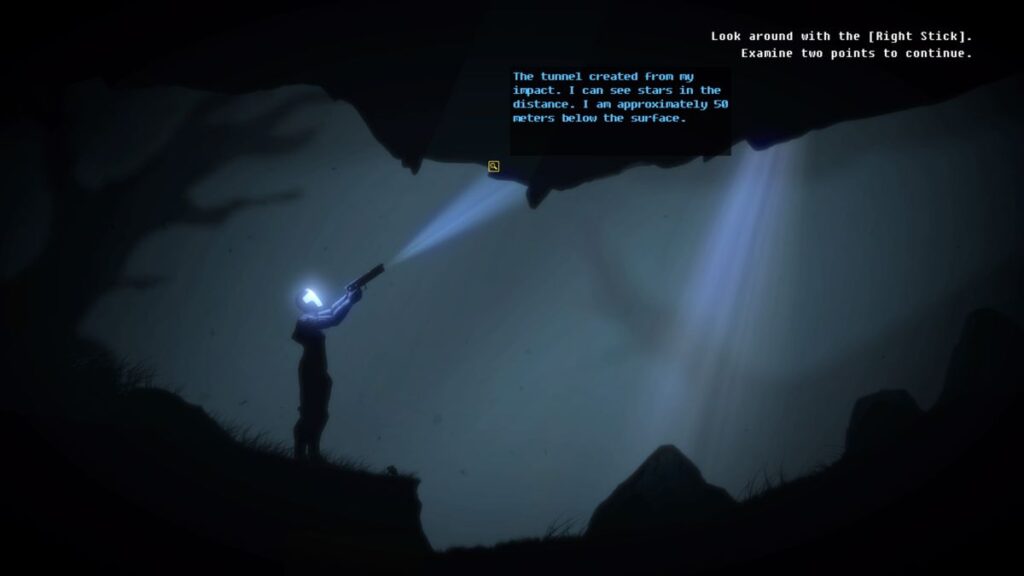
A side-scrolling sci-fi adventure following ARID — an AI suit controlling an unconscious pilot through a derelict facility. The atmosphere is genuinely cinematic, the sci-fi premise is one of the most original in the genre, and multiple reviewers explicitly compare it to Another World and Flashback. The NeoGAF compendium includes it without hesitation.
But The Fall is fundamentally a point-and-click adventure in side-scrolling clothing — ARID speaks constantly, the flashlight examination mechanic is pure adventure game territory, and the dialogue-heavy narrative sits at odds with the wordless environmental storytelling that defines the genre. The cinematic platformer atmosphere is real. The design philosophy is something adjacent.
⚖️ Verdict: A genuinely interesting case — the AI protagonist navigating her own ethical protocols is one of the most original narrative concepts in this corner of gaming. The atmosphere earns it a mention. The talking keeps it out of the database. It just doesn’t feel like a cinematic platformer.
Candle (2016)
A beautifully hand-painted puzzle platformer from Spanish studio Teku — Teku, a young villager with a candle for a head, journeys through a tribal world to rescue his shaman. Every background painted by hand with watercolour and nib ink, every character animated frame-by-frame. Genuinely extraordinary visuals.
But the design is fundamentally a graphic adventure — deep inventory system, item combining, point-and-click puzzle logic. The platforming is a vehicle for the adventure game structure rather than the point itself.
⚖️ Verdict: The most visually stunning game on this list — and the one where presentation most clearly outpaces genre credentials. Adventure game in platformer clothing.
Rain World (2017)
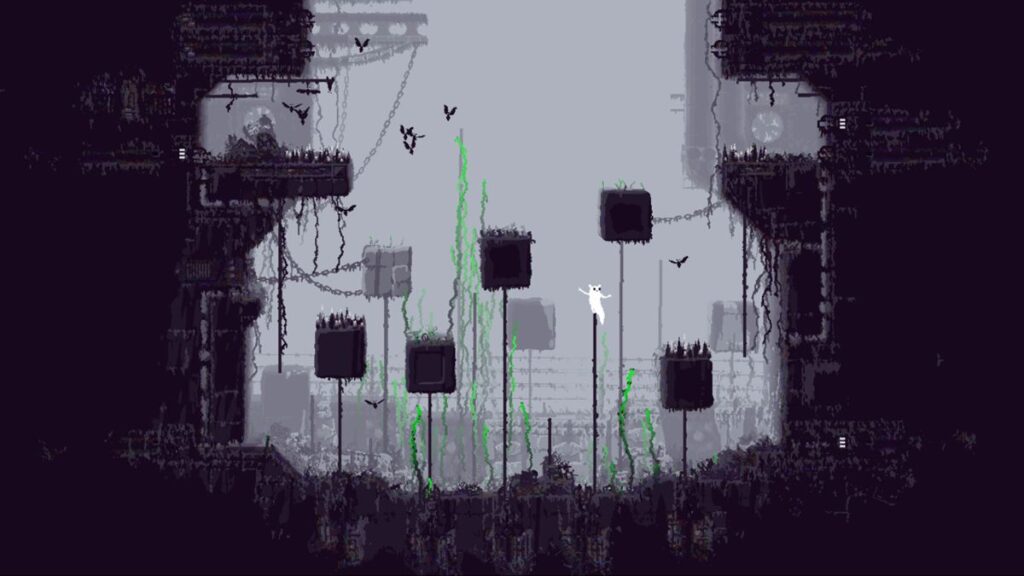
This one is probably the most controversial! A survival platformer following a slugcat — a small, vulnerable creature — navigating the ruins of an ancient industrial civilisation in search of its family. Flip-screen structure, wordless storytelling, a tiny protagonist in a world that is vast and indifferent — the cinematic platformer DNA is genuinely present, and TV Tropes and Glitchwave both classify it as a cinematic platformer.
What keeps it out of the database is the survival layer: food cycles, hibernation mechanics, and an open-world Metroidvania structure that replaces the deliberate trial-and-error of the genre with an unpredictable living ecosystem.
⚖️ Verdict: The strongest argument for a cinematic platformer that didn’t make the database. The community disagrees with this verdict — and they have a point.
Dogolrax (2017)
An adult action-adventure platformer explicitly inspired by Another World and Flashback — you wake on an alien planet with amnesia, navigating a grotesque, ever-changing world of bizarre creatures and inexplicable priestesses. The Another World DNA is genuine: amnesiac protagonist, alien world, side-scrolling adventure structure. Then the game transforms into bullet-hell sections, Arkanoid clones, shoot-em-up sequences, and bizarre “reborn through a monster uterus” sections… yup. Oh, and it contains nudity and gore.
⚖️ Verdict: : The most deranged game on this list. Another World’s DNA is clearly present — buried under layers of adult content, broken controls, and gameplay modes that have no business being in the same game. Genuinely one of a kind, for better and worse.
Song of Iron (2021)
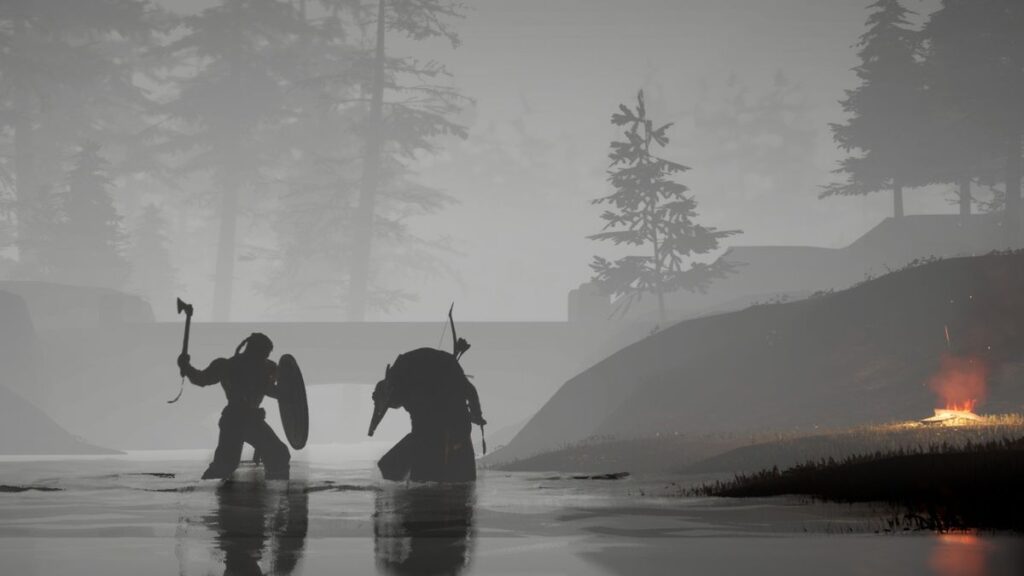
A solo-developed Nordic side-scrolling action adventure — one reviewer called it “Viking Limbo” and the Limbo and Inside inspiration is visible in the silhouette aesthetics, atmospheric world, and deliberate pacing. But the primary activity is combat: axes, shields, boss fights, weapon collecting. The cinematic platformer atmosphere is real. The genre credentials are not quite.
⚖️ Verdict: Atmospheric enough to belong in this conversation — action-heavy enough to stay out of the database.
Guild of Darksteel (2021)
A one-man Belgian studio’s dark fantasy cinematic adventure explicitly inspired by Another World, Flashback, and Prince of Persia — an immortal sellsword investigating a conspiracy beneath a gothic city. The movement has genuine cinematic platformer weight and the pixel art atmosphere is strong. But the combat is a completely separate rhythm game mode — a full-screen transition into one-on-one battles with upgradeable combos that belong to a different genre entirely.
⚖️ Verdict: Cinematic platformer on the surface, rhythm combat game underneath. The most unusual hybrid on this list — and worth playing for exactly that reason.
PIGROMANCE (2024)

A Korean puzzle platformer following a pig escaping a sausage factory — hand-drawn, atmospheric, Little Nightmares-adjacent in premise. The dark humour, environmental puzzle solving, and factory escape narrative give it genuine genre adjacency. But the chibi cartoon style and arcade-ish design philosophy sit outside the cinematic platformer tradition.
⚖️ Verdict: Borderline. The closest Korean equivalent to Little Nightmares — charming rather than cinematic.
Kong: Survivor Instinct (2024)
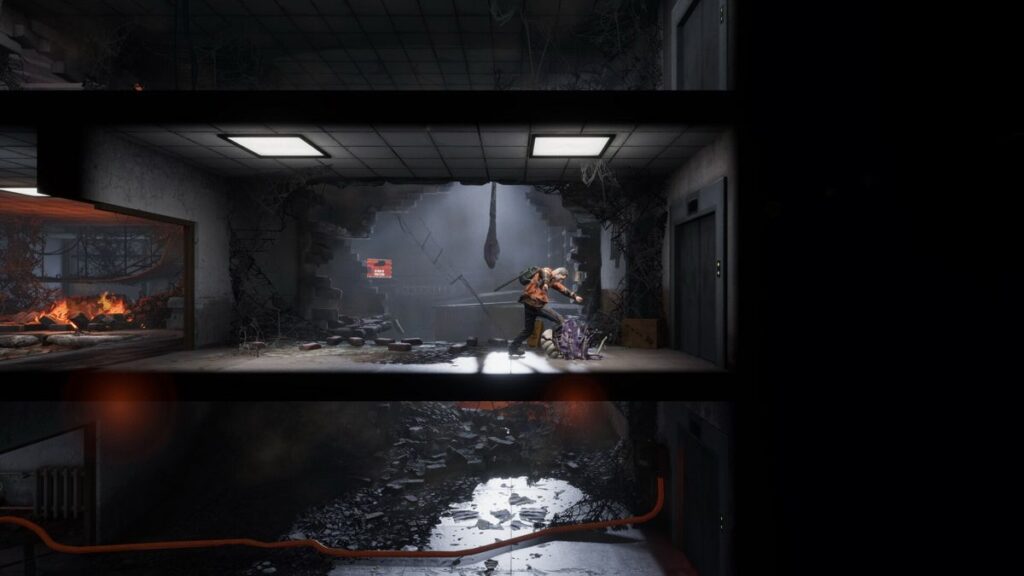
A 2.5D Metroidvania set in a city devastated by Titan warfare — a father navigating crumbling buildings and monster-ravaged streets to find his daughter. One reviewer described it as “a hybrid between a Metroidvania and a cinematic platformer akin to old-school Prince of Persia and Oddworld,” and the deliberate movement and chase sequences give that comparison some weight. The licensed MonsterVerse setting, combat focus, and Metroidvania structure keep it outside the database.
⚖️ Verdict: Borderline. More cinematic platformer DNA than you’d expect from a licensed monster movie game — but ultimately a Metroidvania in cinematic platformer clothing.
Other borderline games worth mentioning
Not every borderline case deserves a full entry. These are games that are often mnetionned, share surface features with the genre, but without quite earning the discussion above — worth a mention for completeness, not much more.
Alien 3 — SNES (1993) Mission-based run-and-gun that happens to side-scroll. Rescuing prisoners and welding doors is not cinematic platformer design.
Splinter Cell — GBA/Mobile (2003-2006) Sam Fisher in side view. Stealth action game with a 2D camera angle — the perspective does not make it a cinematic platformer.
Tintin in Tibet (1995) Generic licensed platformer. Less interesting as a borderline case than The Adventures of Tintin above — the movement vocabulary and puzzle design that made that entry worth discussing are absent here.
Star Trek: Deep Space Nine — Crossroads of Time (1995) A side-scrolling licensed action game — Sisko navigating DS9 through stealth sections, bomb disposal, and hostage rescue. The side-scrolling presentation and mission structure gesture toward the genre. The design is entirely action game territory.
Datswer (2015) A mobile action puzzle game following a statue that comes to life in a dark dungeon. The premise has cinematic platformer instincts — jump, climb, avoid traps. The execution does not.
Richy’s Nightmares (2018) A Limbo clone that misses everything that makes Limbo work. Silhouette aesthetics, dark atmosphere, small boy in a nightmare world — the surface features are present. The jumping is broken, the story is told through text screens, and there are no set-pieces or environmental storytelling. The presentation says cinematic platformer. Everything else does not.