
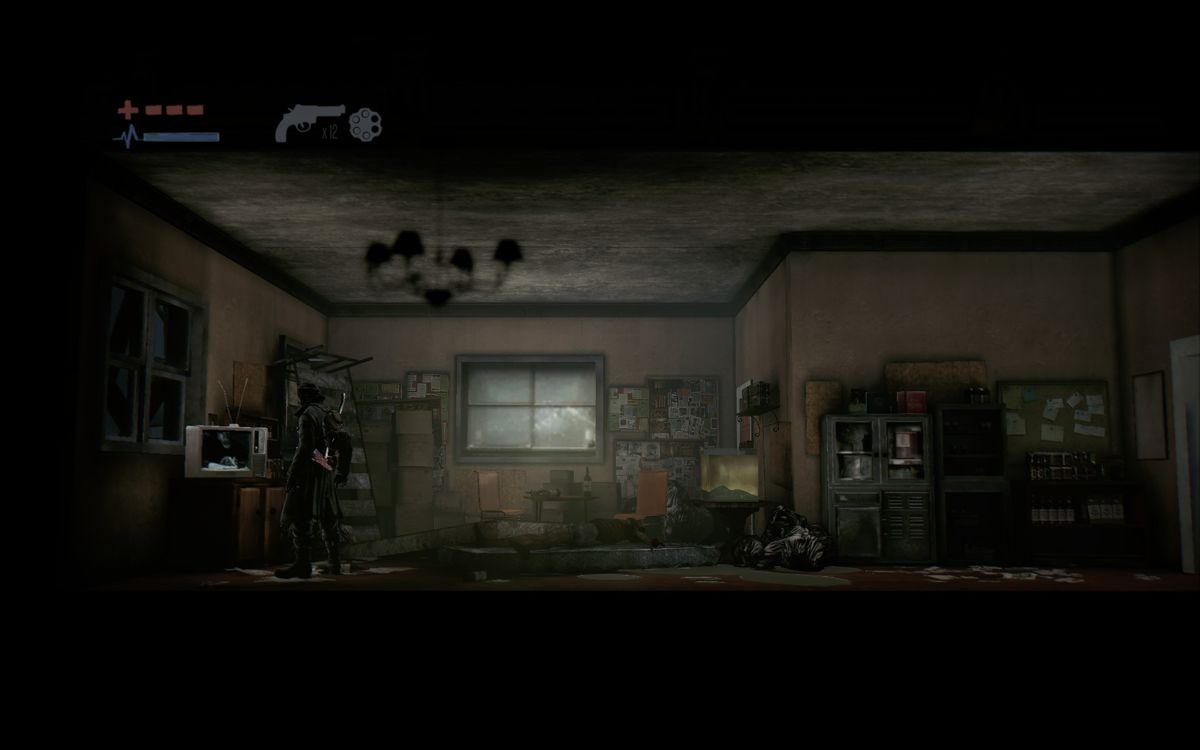
Deadlight is one of the most cinematic and visually striking post-apocalyptic cinematic platformers I’ve played. You control Randall Wayne, a grieving and determined survivor searching for his family across a ruined, zombie-infested Seattle in the mid-1980s. At first glance, the game looks like a standard, grim zombie side-scroller, but it quickly evolves into something entirely unique. What really makes the game memorable is how it takes the classic undead apocalypse and frames it through tight, fluid momentum, building its entire survival structure around environmental parkour and stamina management. You are not an action hero clearing out hordes of the undead; the “Shadows” are deadly, and a single mistake means getting overwhelmed instantly. You must solve puzzles and survive encounters by utilizing Randall’s agility—climbing chain-link fences, vaulting over obstacles, and baiting zombies into environmental traps like electrical wires or collapsing floors with surprising tactical weight and desperate urgency rather than relying on mindless gunplay.
I also appreciated how entirely cinematic the presentation feels, connecting these physical limitations to the oppressive atmosphere effectively. Some moments are tense and quiet, forcing you to slowly creep past shadows in dark warehouses, while others become high-speed, heart-pounding escapes from collapsing buildings or military helicopters. Underneath the grim zombie aesthetics, the narrative handles complex themes of loss, isolation, and mental instability, giving the final destination far more weight than I initially expected. Deadlight stands out because very few games manage to merge narrative themes and physical survival mechanics this smoothly into a cohesive masterpiece.
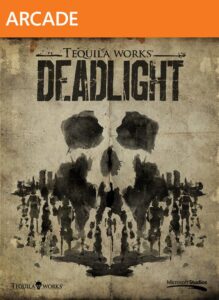
Year: 2012
Developer: Tequila Works
Atmosphere: Melancholic · Desolate · Tense
Visual Style: Silhouette 2.5D · Cinematic Realism
Focus / Pace: Parkour Platforming · Survival-Driven
Platforms: Xbox 360 · Windows PC · PlayStation 4 · Xbox One
The Story
Deadlight follows Randall Wayne as he searches for his wife and daughter in the shattered remains of 1986 Seattle after a virus decimates humanity. As the journey continues, the world becomes increasingly hostile, forcing Randall to navigate not just the undead, but also ruthless human factions.
The story slowly uncovers deeper layers of Randall’s fractured psyche and the tragic reality of his past. I thoroughly enjoyed how gracefully the game balances desperate cinematic survival action with somber, introspective journal entries and comic-book-style cutscenes.
Graphics
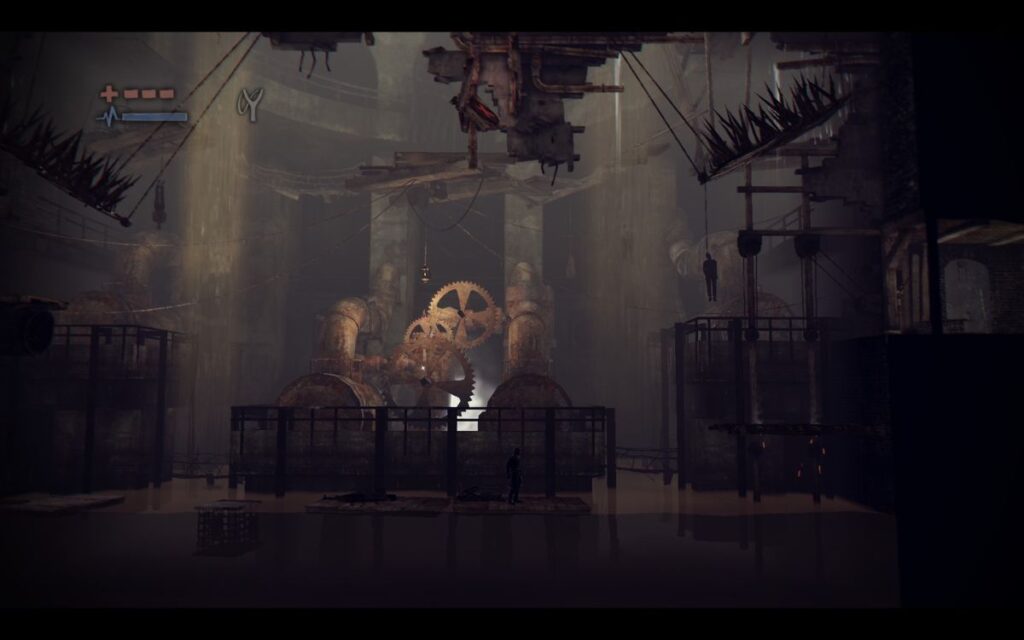
The game utilizes a distinct, 2.5D visual style filled with heavy rain, ruined urban structures, distorted geometry, and unsettling, high-contrast lighting. The art direction constantly oscillates between destroyed real-world locations like shattered highways and outright dreamlike nightmare imagery in subterranean sewers.
What stayed with me visually was the stark contrast between the bright, washed-out skylines of a dying Seattle and the brutal execution of the silhouette-heavy foreground lighting. That visual tension keeps you uncomfortable and gives the game a highly recognizable visual signature.
Gameplay
In Deadlight, the traditional platforming rulebook is violently thrown away, transforming environmental traversal from a simple journey into a grueling test of survival. The core loop revolves entirely around Randall’s terrifying lack of physical endurance, which drains your stamina meter instantly during intense physical exertions like hanging from ledges or sprinting. Instead of standing your ground against hazards, you are forced to actively seek out high ground, strategically choosing how and when to expend your energy to exploit the unique layouts of the ruined buildings.
The puzzle-solving mechanics are split across several desperate forms of environmental manipulation. You will routinely need to intentionally smash Randall into weak structural walls to break open paths, using his body weight as a blunt object to crack rotten wood doors. If an alleyway is too packed with the undead, you must taunt them completely, transforming the gameplay into a tense sequence where you control their movement pattern, navigating them into live electrical wires or deep elevator shafts. Furthermore, the game turns physics upside down; triggering a fast zipline slide dynamically shifts the momentum of your jump, allowing you to smash through window panes to bypass impossible drops.
Pacing
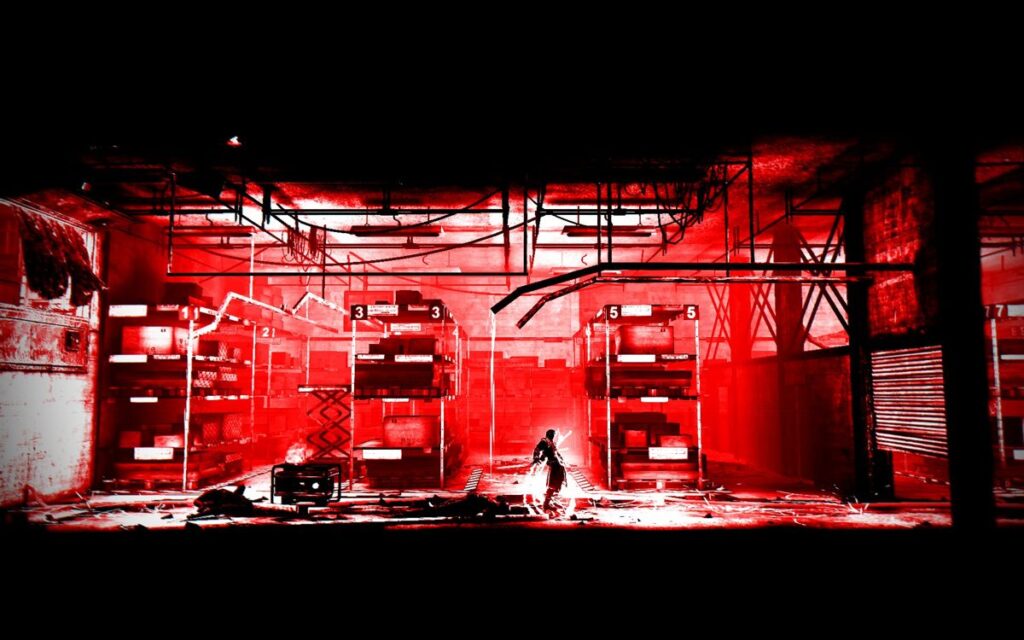
Deadlight uses a slower survival-driven pace focused on atmosphere, puzzles, and environmental tension. Quiet exploration sections are regularly interrupted by terrifying horde encounters or more intense chase sequences.
The game climbs into increasingly surreal territory as you delve deeper into Randall’s memories, ensuring the journey remains highly unpredictable without ever losing its core narrative focus.
Atmosphere
The tone shifts seamlessly between deeply unsettling survival horror, heavy melancholia, and intense psychological breakthrough. Rain-soaked highways, abandoned subways, and twisted collapsed buildings create a world that feels permanently dangerous and emotionally exhausting.
What resonated with me most was the raw, uncomfortable tension generated by the stamina mechanics. Even after you completely adapt to using your agility to progress, watching the heavy animations and hearing Randall’s panicked breathing remains genuinely distressing.
🎮 My honest opinion
Deadlight is one of the most unique cinematic platformers I’ve played. The zombie apocalypse / parkour mechanics sound incredibly generic or overdone on paper, but the developer handles them with immense thought, style, and narrative purpose.
While I was initially skeptical about whether a game centered around environmental traversal could win me over, the narrative integration is so seamless that the gameplay and story quickly merge into a powerful, cohesive masterpiece. It requires quick reflexes, but if you can accept its bleak premise, it is a phenomenal experience.
Where can I play it?
Deadlight is available on PC through platforms like Steam and GOG. If you are playing on consoles, you can look for the upgraded version, Deadlight: Director’s Cut, which is available on PlayStation 4 and Xbox One, as well as the original release on Xbox 360.
Games similar to Deadlight
Players who navigated the dangers of Deadlight will likely appreciate other cinematic platformers that focus on desolate settings, heavy environmental danger, and agile survival movement.
Somerville
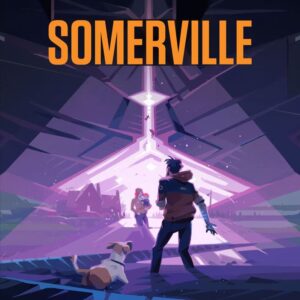
Somerville shares Deadlight’s desperate atmosphere of a family man searching through an active apocalypse, though it trades zombies for a mysterious alien invasion. Both games build intense panic through massive cinematic scale, background storytelling, and a constant need to stay moving to survive.
Black The Fall
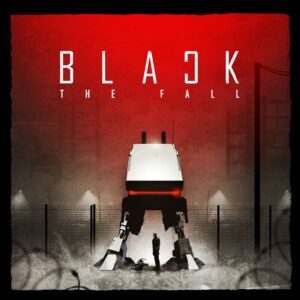
Black The Fall explores a grim, highly restrictive industrial dystopia that forces you to constantly outsmart environmental traps and automated security systems. Like Deadlight, it combines a tense puzzle-driven pace with a constant, heavy feeling of being hunted through dark, industrial ruins.
For more survival-focused cinematic platformers, games like Limbo, Planet of Lana, and Little Nightmares also use distinct visual styles and environmental hazards to craft unforgettable, tense journeys.