
Description
I think what strikes me most about Pinstripe is not the game itself but the fact that one person made it — entirely, over five years, while working a day job. Thomas Brush wrote it, drew it, composed the score, and coded it. Every line of dialogue, every piece of background art, every puzzle — all him. There is a specific texture to games made by a single person with something personal to say, and Pinstripe has it from the first screen to the last.
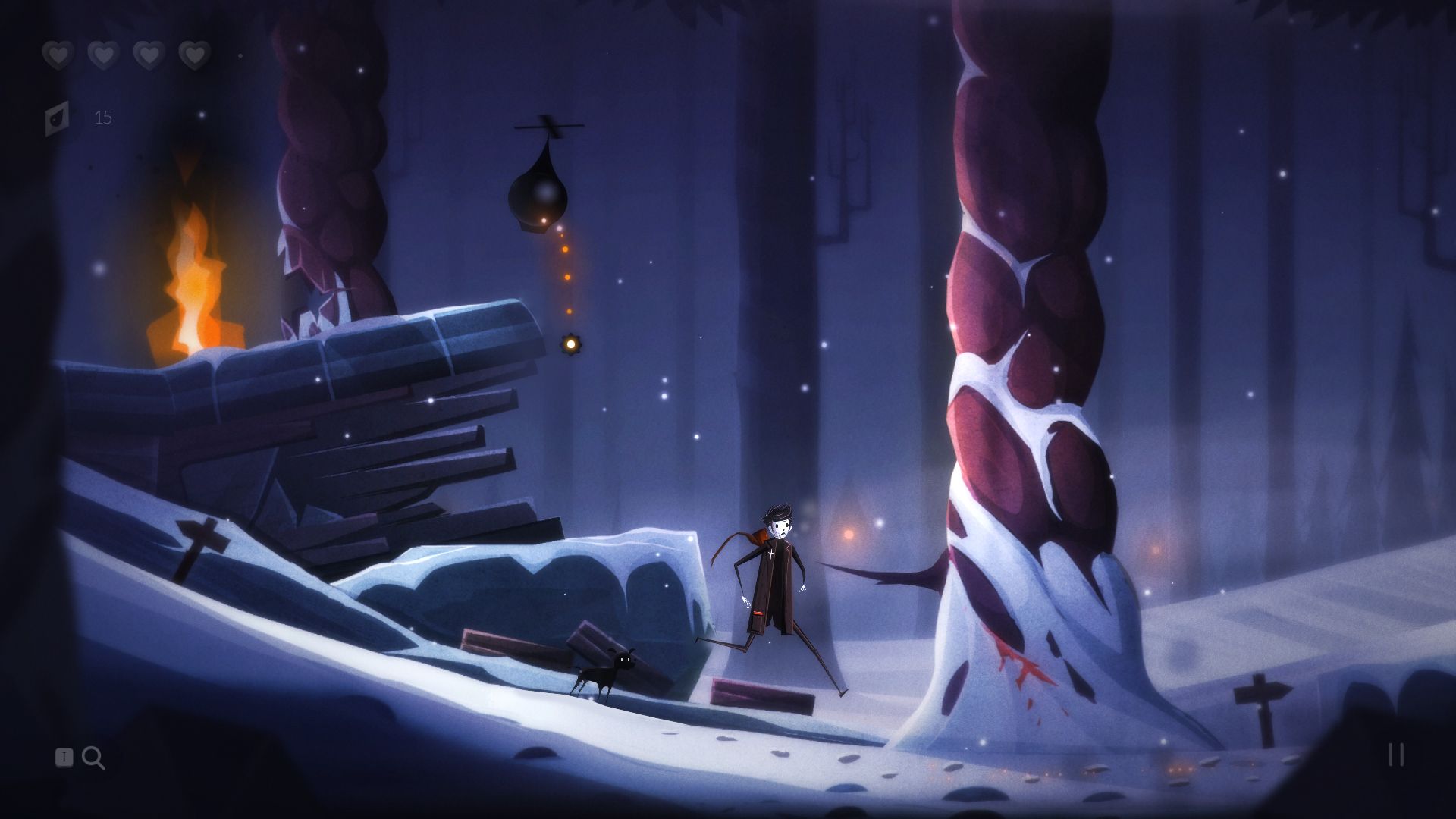
Developed and published by Thomas Brush and released in 2017, Pinstripe is a dark fantasy puzzle adventure set in a hand-drawn, snow-covered version of Hell. You play as Ted, a disgraced ex-minister, who must navigate this strange underworld using his daughter’s slingshot after a mysterious figure named Mr. Pinstripe kidnaps her. It is short, atmospheric, and considerably more emotionally serious than its fairy-tale premise suggests..
Year: 2017
Developer: Thomas Brush
Atmosphere: Dark Fantasy · Macabre · Emotional
Visual Style: Hand-Drawn 2D · Tim Burton-Esque
Focus / Pace: Puzzle Adventure · Slow-Paced
Platforms: Windows · macOS · Linux · PlayStation 4 · Xbox One · Nintendo Switch · iOS
The Story
The setup is a rescue mission — find Bo, defeat Pinstripe, get out. But Pinstripe is quietly building toward something more interesting than that. Environmental details and scattered clues gradually reveal a darker truth about Ted’s past, and by the ending the game has revealed itself as being about grief, guilt, and parental failure in ways I found genuinely affecting. I did not expect to feel what I felt at the end of a three-hour dark fairy-tale platformer. That surprise is part of what makes it worth recommending.
My one honest frustration is the voice casting — recognisable YouTubers whose voices occasionally pull you out of the atmosphere at moments when the game most needs you in it. A small thing, but it costs the game its tone more than once.

Graphics
Beautiful. The hand-drawn art style is immediately distinctive — gaunt, slightly grotesque characters in a Tim Burton-adjacent visual world, with detailed environments that shift between snowy surface levels and darker underground chambers as Ted descends. The backgrounds in particular are excellent: rich with story details if you pay attention, and consistently atmospheric even when the game’s tone is at its most melancholic. For a solo developer, the visual consistency is remarkable.
Gameplay
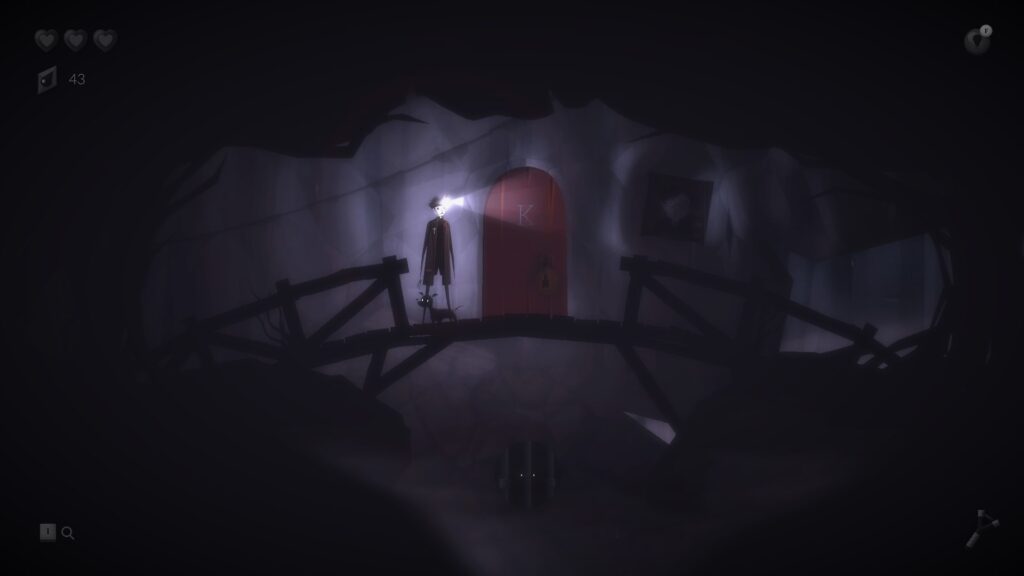
Light puzzle platforming with a slingshot mechanic that doubles as both a weapon and a puzzle tool — shooting levers, popping balloon enemies, knocking objects into position. The puzzles are simple but satisfying, and the variety of types — physics puzzles, environmental observation, a few mini-games — keeps the three-hour runtime from feeling repetitive.
The combat is the weakest element. Enemies are sparse and easily dispatched, and the slingshot combat never feels like more than a placeholder between the more interesting puzzle sections. Most reviewers have suggested the game would be stronger without it, and I think I agree — though I notice it never bothered me as much as it seems to have bothered others.
A New Game Plus mode unlocks after completion, adding new rooms and secrets that give completionists a reason to return. For a game this short, that is a welcome addition.
👾 Did You Know?
Thomas Brush cast famous Youtubers PewDiePie, JackSepticEye, and most of the Game Grumps as voice actors in Pinstripe — a deliberate marketing decision to reach their combined audience of tens of millions of subscribers. It worked: the game found an audience it might never have reached otherwise. Whether it helped or hurt the atmosphere is a question players are still divided on.
Atmosphere
The strongest element by a significant margin — and the one where Brush’s decision to write and compose everything himself pays off most clearly. The score is genuinely beautiful: melancholic piano arrangements that shift register as Ted descends deeper into Pinstripe’s world. The visual and musical language feel unified in a way that only happens when the same person is responsible for both, and the overall mood the game creates is consistently distinctive.
🎮 My honest opinion
Pinstripe is not a perfect game — the combat is underdeveloped, the voice casting occasionally breaks the spell, and at three hours it ends just as it is finding its most interesting ideas. But I find myself recommending it anyway, because the things it does well are genuinely special. The atmosphere is distinctive, the story earns its ending, and there is a sincerity to the whole thing that I think comes directly from knowing one person poured five years of their life into it.
It is the kind of game you play on a quiet evening and come away from slightly changed. For something this small, that is no small achievement.
Where can I play Pinstripe?
Pinstripe is available on PC via Steam, PlayStation 4, Xbox One, Nintendo Switch, and iOS. It is modestly priced and completable in a single session of three to four hours.
Games similar to Pinstripe
Limbo
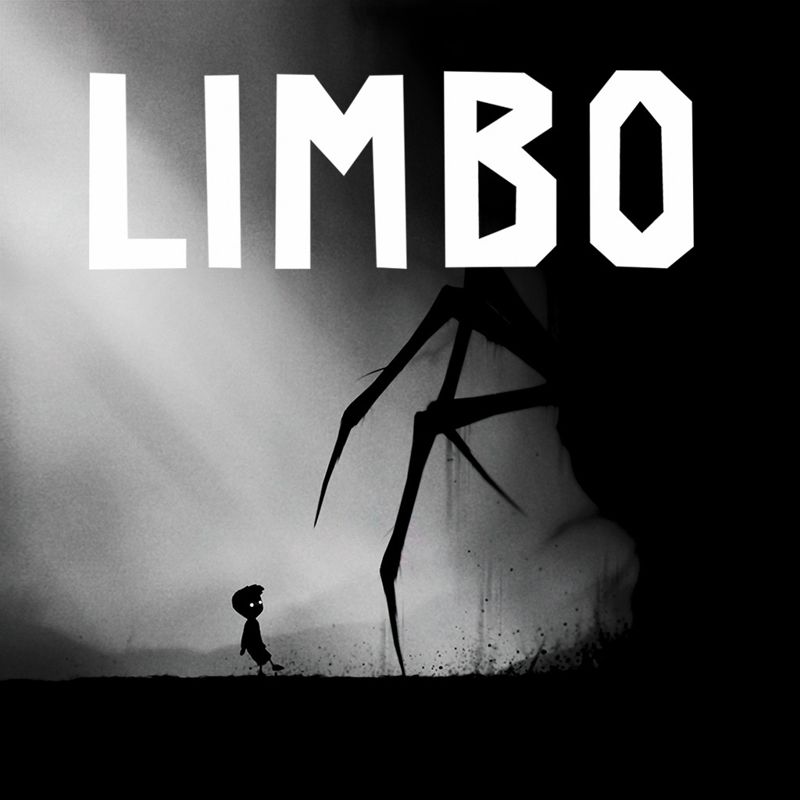
Limbo shares Pinstripe’s dark atmosphere, silhouette-heavy aesthetic, and the specific feeling of a small, vulnerable protagonist in a world that is genuinely threatening. Limbo is more mechanically demanding and less emotionally explicit — but the tonal kinship is real.
A Tale of Paper (2020)

A Tale of Paper shares Pinstripe’s commitment to telling a quietly devastating story through a short, atmospheric puzzle platformer — and its ending hits with a similar emotional weight. Both games are over before you feel ready for them to end.