
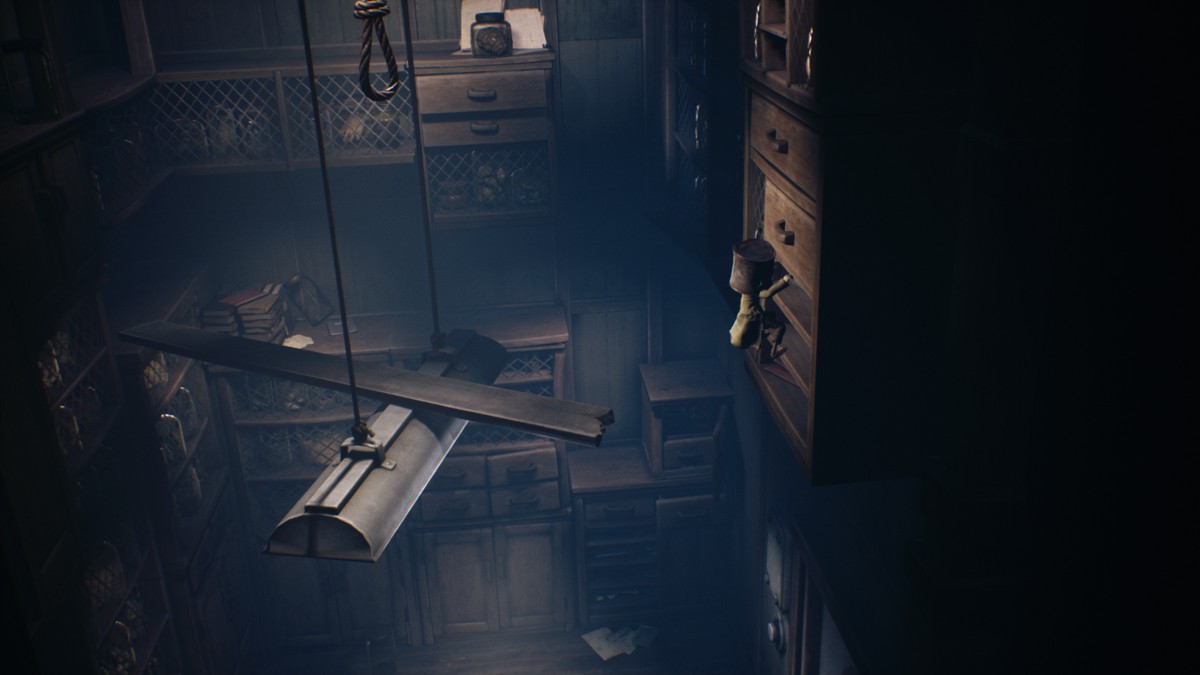
Descripton
Little Nightmares II arrived in 2021 and immediately felt like the game Tarsier had been building toward all along. Where the original was a contained, claustrophobic escape from a single location, the sequel opens the world outward — a vast, corrupted city distorted by the signal of a mysterious tower, populated by creatures that feel even more specific and more wrong than anything in the Maw.
You play as Mono, a boy with a paper bag over his head, moving through this nightmare alongside Six — the girl from the first game, now an AI companion rather than the protagonist. It is bigger, longer, and in many ways more emotionally devastating than its predecessor. For a lot of people, including me, it is also the better game.

Year: 2021
Developer: Tarsier Studios Atmosphere: Horror · Oppressive · Surreal
Visual Style: Stylized 3D · Cinematic Lighting
Focus / Pace: Puzzle Platforming · Tense
Platforms: PlayStation 4 · PlayStation 5 · Xbox One · Xbox Series X/S · Windows · Nintendo Switch
Little Nightmares vs. Little Nightmares II: What does the sequel bring?
The most immediate difference is scale. The first game kept you inside a single location — the Maw — with a tight, claustrophobic logic that suited its theme of hunger and consumption. Little Nightmares II opens everything up: a dark wilderness, a school, a hospital, a vast urban environment, each one with its own distinct creature and its own distinct brand of dread. The world feels genuinely larger, and the variety of environments keeps the experience from ever settling into familiarity.
The companion dynamic is the other major shift. Six moves alongside Mono throughout — entirely AI-controlled, which was a deliberate choice by Tarsier to preserve the feeling of isolation while still giving the journey an emotional core. She is a remarkably reliable companion in practice, and the moments where you can reach out and hold her hand while navigating something frightening are some of the most quietly affecting in either game. The relationship between Mono and Six gives the sequel an emotional weight the original, for all its atmosphere, never quite reached.
Mono can also pick up and wield objects — a pipe, an axe — which adds a new dimension to encounters that the first game’s pure hide-and-seek approach did not have. It makes the world feel slightly less helpless, which makes the moments of genuine helplessness land even harder.
The Story (spoiler-free)
Mono wakes up alone in a forest surrounded by dead televisions. He finds Six locked in the basement of a dark house, frees her, and together they set off toward the Signal Tower — a distant, humming structure that seems to be warping the world around it. The story is told without dialogue, entirely through environments and the relationship between the two children.
What I find more affecting about Little Nightmares II’s storytelling compared to the original is that it gives you someone to care about alongside you. Six’s presence changes everything — her small gestures, her occasional independence, the way she sometimes simply appears beside you when things get difficult. The journey feels shared in a way the first game never did.
The ending is one of the most gut-punch moments I have experienced in the genre. I will not say anything more than that — but if you have played it, you know exactly what I mean. It is also the most discussed in the genre — if you want to understand what it all means, our Little Nightmares lore explained article covers it in full.
Graphics
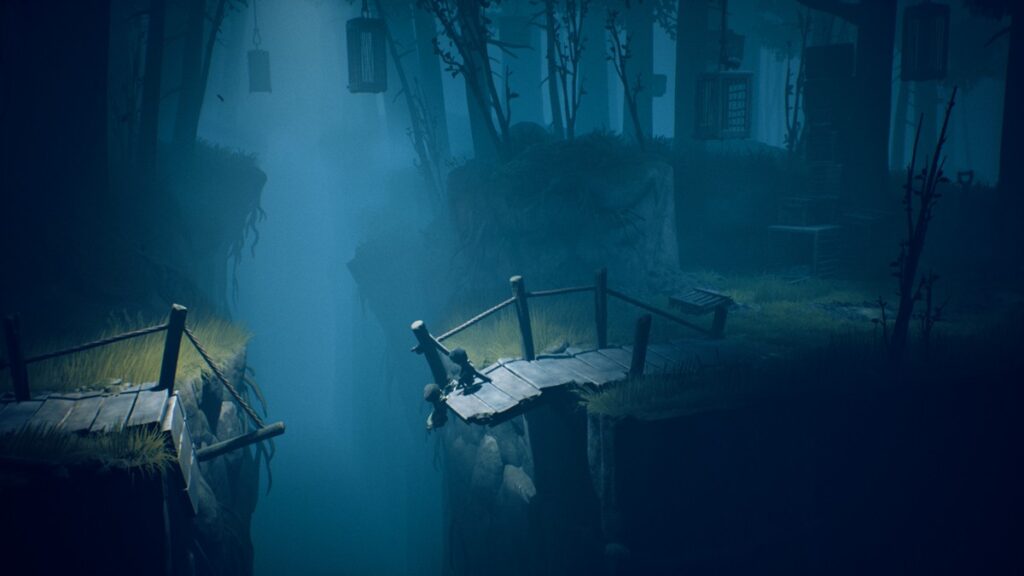
Little Nightmares II is a more visually ambitious game than its predecessor, and it largely delivers on that ambition. The Pale City is extraordinary — layers of brutalist architecture disappearing into fog, streets lit by flickering televisions, vast spaces that make Mono feel even smaller than Six ever felt in the Maw. Each environment has a distinct visual identity that gives the world a sense of geography and scale the original could not achieve within a single location.
The creature design reaches new heights too. The Teacher’s impossibly elongated neck, the Viewers’ slack-jawed television hypnosis, the Thin Man’s quiet, devastating presence — each one is visually inventive in ways that feel specific rather than generic. The lighting throughout is some of the best in the genre, using darkness not as a blanket but as a precisely placed tool.
🏆 Did You Know?
Little Nightmares II sold over one million copies in its first month — making it the fastest-selling game in Tarsier Studios’ history. For a sequel to a modest 2017 horror platformer that itself took years to find its audience, that kind of launch momentum said everything about how much the original had grown in cultural stature between 2017 and 2021.
Gameplay
Little Nightmares II builds on the first game’s hide-and-seek foundation and adds enough new elements to keep it feeling fresh without losing what made the original work. Mono can pick up and wield objects — a pipe, an axe, a hammer — which introduces a new layer to encounters that the first game’s pure evasion approach never had. It makes you feel fractionally less helpless, which the game then uses against you by putting you in situations where even that small advantage counts for nothing.
The companion puzzles with Six are mostly well-judged — holding her up to reach a switch, calling her across a gap, using her as a boost. She is a genuinely reliable AI companion, which sounds like faint praise but is actually remarkable given how badly escort mechanics usually feel. My one honest note is that the combat sections — chasing enemies down with a weapon — occasionally feel slightly at odds with the rest of the experience. They are tense, but in a different way than the stealth sections, and the tonal shift does not always land smoothly.
Pacing
What I find most impressive about Little Nightmares II’s pacing is how deliberately it controls your emotional temperature. Each environment arrives with its own rhythm — the school is slow and creeping, built around long stretches of careful silence punctuated by sudden terror. The hospital shifts into something more frantic. The city opens everything up into a different kind of dread entirely. Tarsier understood that sustained horror requires variation, and the game moves between tension and release with a confidence that feels almost musical.
The final act abandons the hide-and-seek formula almost entirely and accelerates into something that feels genuinely overwhelming — and it works precisely because the earlier sections have built up enough emotional momentum that you are fully inside the experience by the time it hits. That escalation from careful, methodical dread to something much louder and more desperate is one of the best pieces of pacing I have encountered in the genre.
Atmosphere
Little Nightmares II’s atmosphere is, for me, even more sustained than the original’s. The Pale City has a specific quality of wrongness that the Maw — for all its grotesquerie — never quite reached. It feels like a real place that has had something done to it, rather than a nightmare location invented whole. The televisions, the static, the way the signal distorts everything around it — it all adds up to a world that feels genuinely, specifically corrupted.
The sound design by Tobias Lilja is extraordinary throughout — industrial clangs, distant whispers, the horrible sound of the Teacher’s neck extending. Combined with the relationship between Mono and Six, which gives the atmosphere an emotional dimension the first game lacked, Little Nightmares II achieves something rare: horror that makes you feel something beyond dread.
🎮 My honest opinion
Little Nightmares II is the rare sequel that genuinely surpasses its predecessor — and I say that as someone who loved the first game. Everything Tarsier did well in 2017 is here in expanded, more confident form: the creature design, the environmental storytelling, the oppressive atmosphere. But the addition of Six as a companion gives the whole experience an emotional dimension that elevates it from a very good horror platformer into something that genuinely stayed with me.
The ending is the thing I keep coming back to. It recontextualises the entire journey in a single moment and lands with a weight that I was not prepared for. I finished it alone at night and sat with it for a while afterwards, which for a game in this genre is about the highest compliment I can give.
My only honest reservation is the combat sections, which feel slightly out of step with the rest of the experience. But it is a minor note against a game that gets almost everything right.
Where can I play Little Nightmares II?
Little Nightmares II is available on PC via Steam, PlayStation 4, PlayStation 5, Xbox One, Xbox Series X/S, and Nintendo Switch. An Enhanced Edition for PS5 and Xbox Series X/S added visual improvements worth seeking out if you have access to those platforms. Like the original it is modestly priced and frequently on sale — and playing both games together as a double bill is one of the best evenings this genre can offer.
Similar Games
If you loved Little Nightmares II, we have put together a full guide — 24 games like Little Nightmares — organised by atmosphere, protagonist, and what made the series unforgettable. Start there for your next game.
Here are already a few you might enjoy:
Little Nightmares (2017)
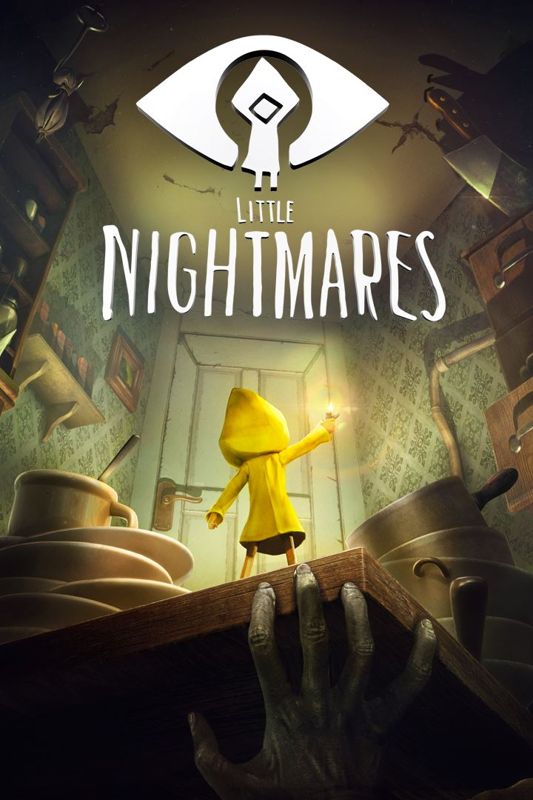
The essential starting point — and if you somehow played the sequel first, go back immediately. The original is tighter, more claustrophobic, and slightly less emotionally ambitious, but it establishes the world and the rules that the sequel then breaks so effectively. The two games are best understood as a single experience.
Bramble: The Mountain King (2023)
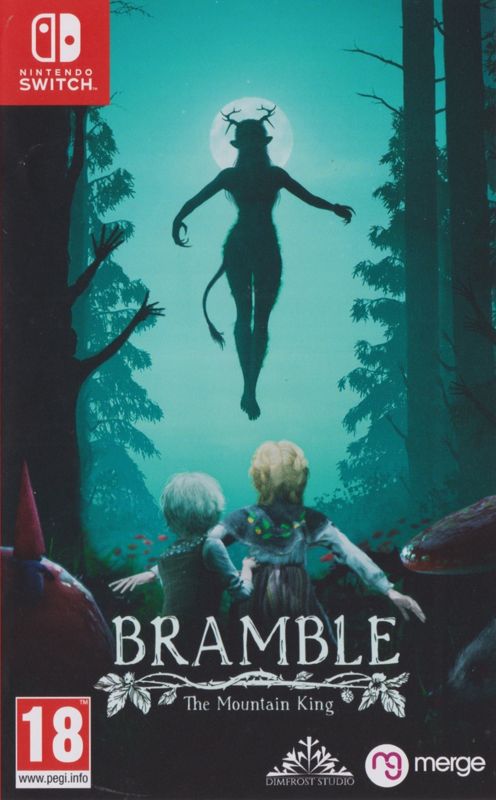
Bramble is the closest tonal match to Little Nightmares II in the modern genre — a small child moving through a world of grotesque, oversized creatures rooted in Nordic folklore, with the same commitment to creature design that feels specific and deeply wrong rather than generically scary.
Where Little Nightmares II draws from urban decay and television hypnosis, Bramble goes into dark forests and ancient mythology — but the feeling of helplessness, the oppressive scale, and the willingness to go to genuinely dark places are identical. If the creature encounters in Little Nightmares II are what stayed with you most, Bramble is your next game.
If you are drawn to the horror-adjacent branch of cinematic platformers — grotesque creatures, oppressive worlds, and stories told entirely through what you see around you — Inside, Reanimal, and Little Nightmares III all sit in interesting proximity, each pushing the formula in a different direction.