
Description
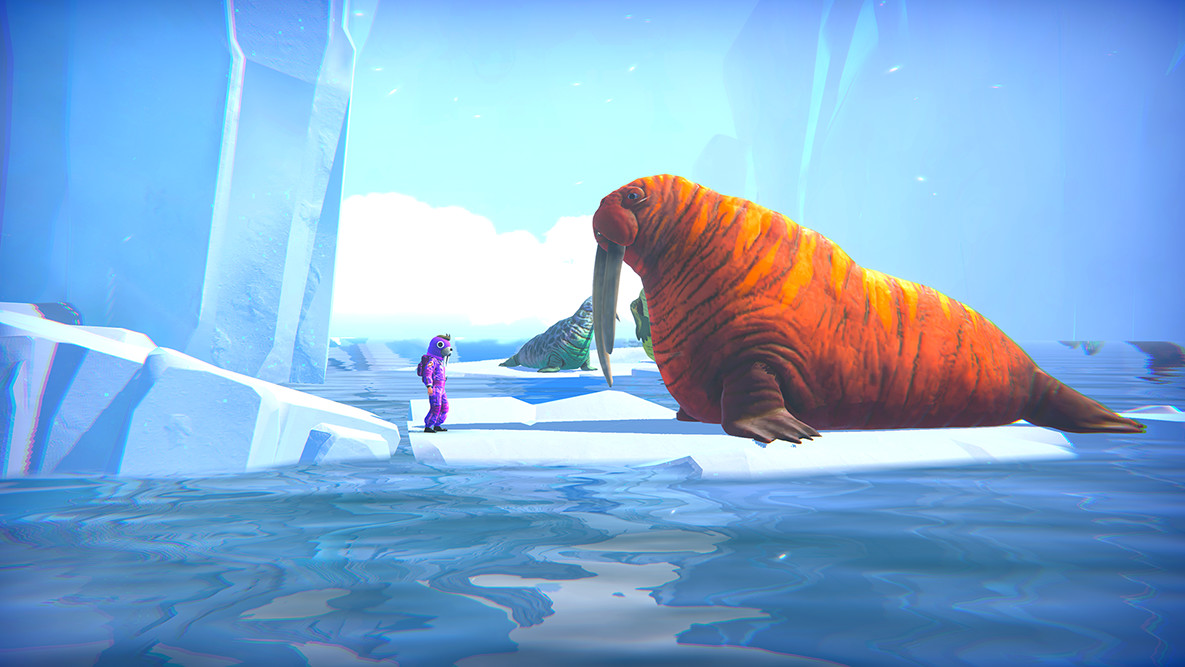
Little Orpheus is not a game that takes itself seriously, and I mean that as a genuine compliment. In a genre that defaults to darkness and dread, here is a game that is warm, funny, and completely delighted by its own absurdity — a Soviet cosmonaut recounting the impossible adventures he had inside the Earth to a suspicious military commander, in episodes, like a serial adventure story from the 1960s. It is the most cheerful cinematic platformer I have played, and I find it genuinely refreshing.
Developed by The Chinese Room — best known for Dear Esther and Everybody’s Gone to the Rapture — and published by Sumo Digital, Little Orpheus started life as an Apple Arcade exclusive in 2020 before arriving on consoles and PC in 2022. If you missed it both times, I do not blame you. It is the kind of game that slips through the cracks despite being very good.

Year: 2020
Developer: The Chinese Room
Atmosphere: Absurdist · Adventurous · Warm
Visual Style: 2.5D · Vibrant Hand-Painted Environment
Focus / Pace: Narrative Platforming · Relaxed
Platforms: iOS · macOS · Windows · PlayStation 4 · PlayStation 5 · Xbox One · Xbox Series X/S · Nintendo Switch
The Story
In 1962, Soviet cosmonaut Ivan Ivanovich descends into an extinct volcano in an atomic exploration capsule called Little Orpheus — and is not heard from again for three years. When he finally reappears in 1965, dishevelled and without the capsule, he is immediately taken into custody and made to explain himself. The game is Ivan recounting what happened, chapter by chapter, to a deeply sceptical military interrogator.
What follows is a series of tall tales involving dinosaurs, ancient civilisations, mushroom kingdoms, Soviet cosmonauts stranded in time, and a running battle to recover the lost Little Orpheus capsule. The narrative device — Ivan’s unreliable narration, his interrogator’s increasingly exasperated interjections — gives the whole thing a specific comedic texture that I find genuinely charming. Ivan is one of the most likeable protagonists in the genre: optimistic, slightly oblivious, and completely committed to his own version of events.
The story is more about atmosphere and adventure than emotional depth, and I think that is exactly right. Little Orpheus is not trying to make you cry. It is trying to make you smile, and it does.
Graphics
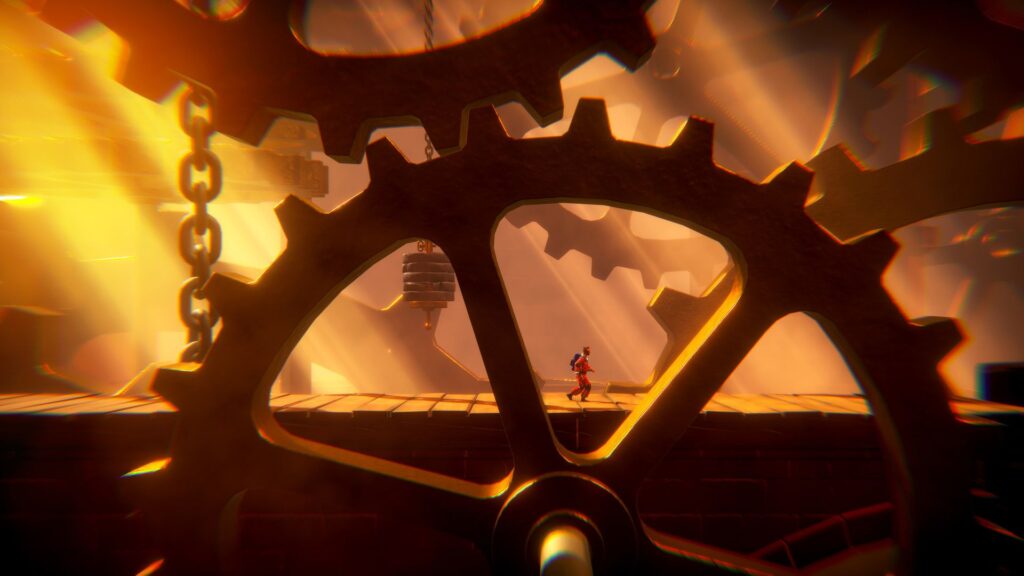
Vibrant and immediately distinctive. The environments shift dramatically across the eight episodes — prehistoric underground jungles, underwater civilisations, frozen wastelands, ancient temples — and each looks genuinely different from the last. The art direction draws consciously from Ray Harryhausen’s stop-motion creature effects and 1960s Soviet propaganda aesthetics, which gives the whole thing a specific retro quality that I find completely charming.
The creature design in particular is excellent — inventive, slightly absurd, and rendered with enough care to make the underground world feel genuinely inhabited.
🚀 Did You Know?
The console and PC release of Little Orpheus was originally scheduled for March 2022 but was delayed due to its Soviet themes — the timing of the Russo-Ukrainian War made the developers uncomfortable releasing a game steeped in Cold War Soviet imagery and humour at that particular moment. It eventually came out in September 2022.
Gameplay
Light and honest about it. Little Orpheus is primarily a narrative experience — run, jump, occasionally interact with an object, watch what happens next. The platforming is gentle, the puzzles are minimal, and nothing will challenge you for more than a moment. I think this is fine because the game is clearly not trying to be Inside or Limbo — it is trying to be a Saturday morning adventure serial, and the relaxed gameplay keeps the story moving at exactly the right pace.
The one honest criticism is that it is almost too light. There are stretches where I felt like a passenger rather than a player — watching events unfold rather than meaningfully participating in them. For players who want to feel genuinely engaged mechanically, Little Orpheus will probably feel thin. For players happy to let a good story carry them, it delivers completely.
Atmosphere
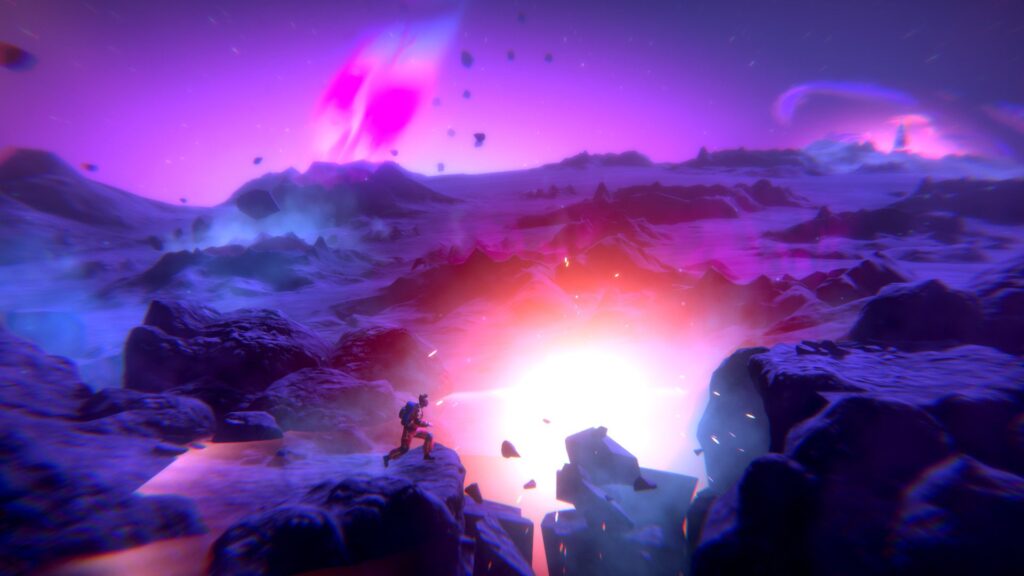
The strongest element, and the one where The Chinese Room’s background in atmospheric narrative games pays off most clearly. The score by Jim Fowler and Jessica Curry — Curry being one of the best composers working in games today — is exceptional: warm, slightly bombastic, perfectly calibrated to Ivan’s sense of his own heroism. Combined with the vibrant environments and the running narration, the atmosphere of Little Orpheus is consistently joyful in a way that I find genuinely rare in this genre.
🎮 My honest opinion
Little Orpheus is a short, light, cheerful game that I think is slightly underappreciated precisely because it does not fit the genre’s usual aesthetic. It is not dark. It is not challenging. It does not have anything particularly profound to say. What it has is a genuinely funny protagonist, a beautiful underground world, an exceptional score, and the specific pleasure of a story told with warmth and complete commitment to its own absurdity.
I played it in two sittings and came away smiling. For a three-hour game, that is exactly the right outcome.
Where can I play Little Orpheus?
Little Orpheus is available on PC via Steam, PlayStation 4, PlayStation 5, Xbox One, Xbox Series X/S, and Nintendo Switch. The Apple Arcade version was removed from the service in May 2025. At its modest price point it is one of the more accessible games in the genre.
Games similar to Little Orpheus
If the gentle pacing, handcrafted aesthetic, and wordless emotional storytelling of A Tale of Paper resonated with you, these two cinematic platformers are well worth your time.
Hoa (2021)
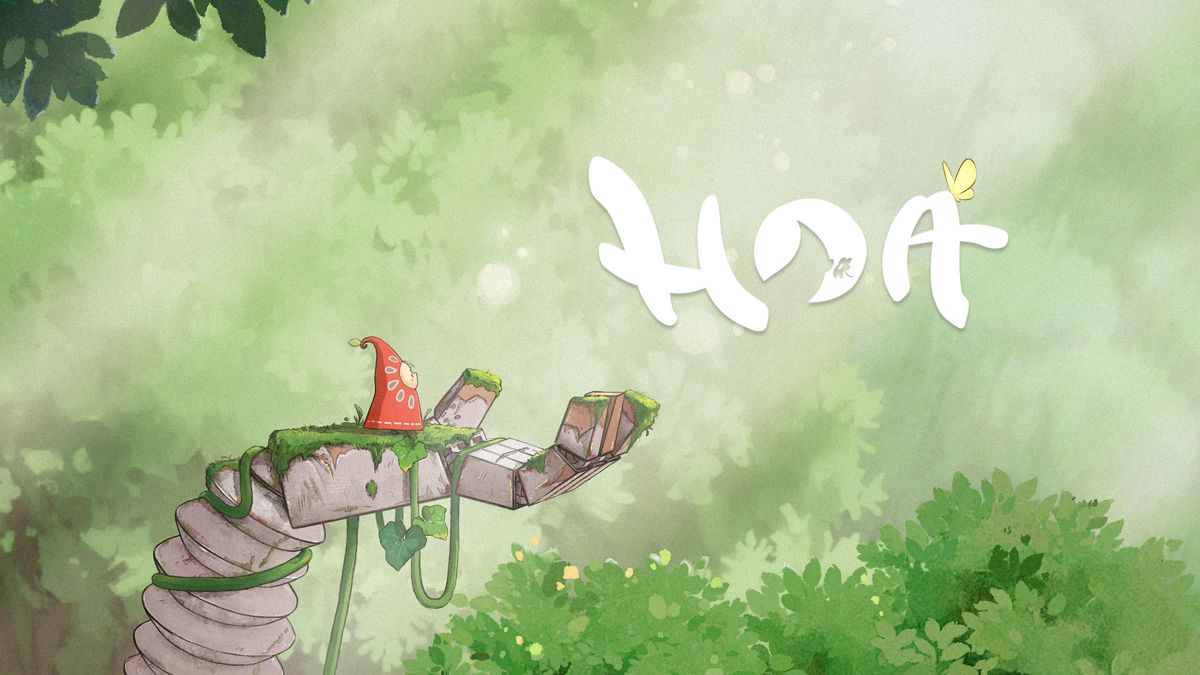
Hoa shares Little Orpheus’s instinct for warmth and visual beauty over challenge — both games are primarily about being somewhere lovely rather than doing something demanding. The tone is gentler and more melancholic than Little Orpheus, but the underlying sensibility is similar.
A Juggler’s Tale (2021)

A Juggler’s Tale shares Little Orpheus’s theatrical framing device — a narrator addressing the protagonist directly, shaping the story around them — and the same warmth and craft in its presentation. Both games are short, handmade, and considerably more enjoyable than their modest scope suggests.