
Description
Planet of the Eyes is a game I find genuinely easy to like, even knowing its limitations. Made by Toronto-based Cococucumber — led by Vanessa Chia and Martin Gauvreau — it is a short, atmospheric puzzle platformer about a lone service robot crash-landing on a mysterious alien planet and searching for its creator.
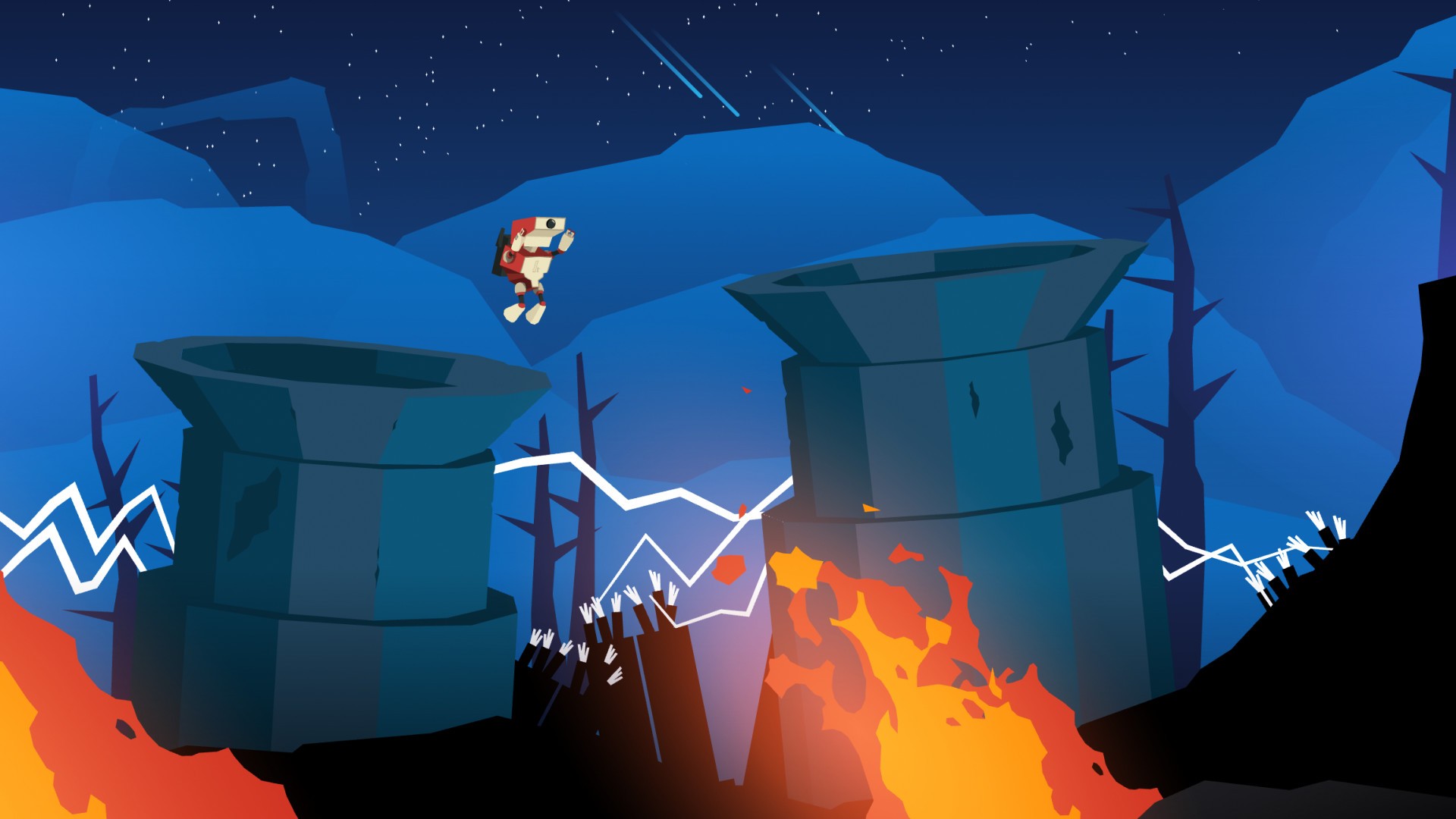
The visual style, based on smooth vector art with a rich retro sci-fi colour palette, is immediately distinctive and immediately warm — less the grey oppression of Limbo and more the alien wonder of a 1950s science fiction paperback cover. It is modest in its ambitions and entirely honest about what it is. I find that refreshing.

Year: 2015 Developer: Cococucumber
Atmosphere: Sci-Fi · Lonely · Mysterious
Visual Style: 2.5D · Stylized Minimalism
Focus / Pace: Exploration Platforming · Methodical
Platforms: Windows · PlayStation 4 · Xbox One · Wii U
The Story
The robot wakes up in the wreckage of a crashed ship. Most of the crew are dead. The ones who survived have moved ahead toward a beacon signal, leaving audio logs behind. As you move through the planet’s environments — crash site, water systems, caves, industrial structures — you find these logs and piece together what happened. The story is written by Will O’Neill, known for the critically acclaimed Actual Sunlight, and narrated by Alex Lewis. I noticed the writing immediately — it is more thoughtful and more emotionally specific than most games at this scale bother with, and the audio log format suits the lonely, forward-moving structure of the gameplay perfectly.
What I really liked about the presentation is how much it trusts the visual storytelling. The camera pulls back at key moments to reveal vast alien panoramas, zooms in to emphasize claustrophobic spaces, and frames each environment with an intentionality that feels genuinely considered. For a short game built on a modest budget, the sense of cinematic composition is impressive.
Graphics
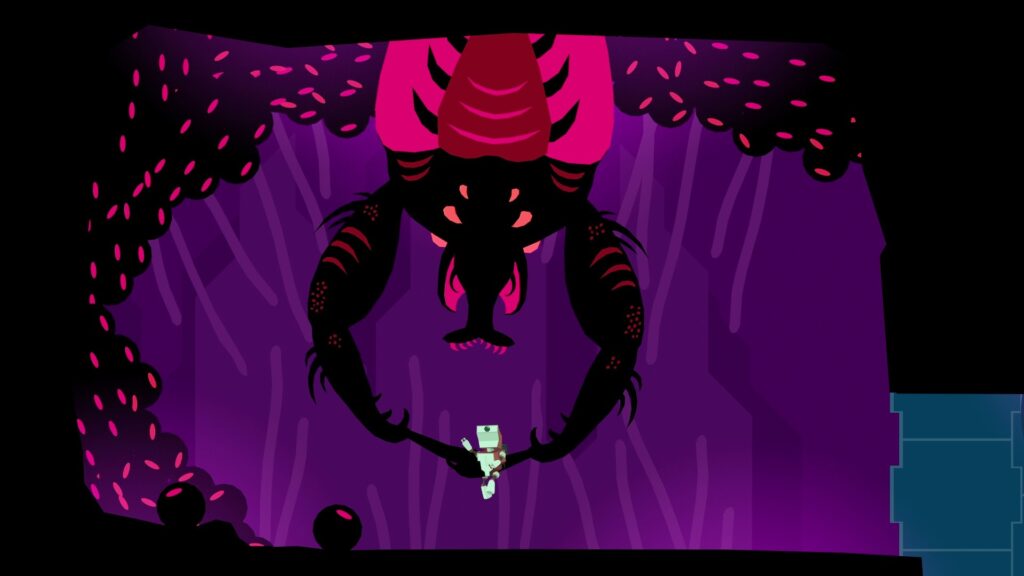
The vector art by Vanessa Chia is the game’s most immediately striking quality and the thing I suspect most people remember about it. The retro sci-fi aesthetic — smooth geometric shapes, rich saturated colours, alien creatures with a strange cartoon logic — gives Planet of the Eyes a visual identity that sits comfortably apart from the monochrome minimalism that dominated atmospheric platformers at the time.
I find it genuinely lovely to look at. The alien environments feel genuinely alien — strange flora, enormous insectoid creatures, ancient industrial structures — and the colour palette shifts meaningfully across the different zones in a way that makes the world feel geographically coherent.
🖊️Did You Know?
The story of Planet of the Eyes was written by Will O’Neill, the Canadian developer behind Actual Sunlight — one of the indie era’s most unflinching games about depression, loneliness, and modern alienation. That the same writer turned his attention to a lone robot searching for its creator on a strange planet is not a coincidence. The quiet melancholy running through Planet of the Eyes makes a lot more sense knowing who wrote it.
Gameplay
The gameplay is gentle and accessible — light puzzle-solving, evasion rather than combat, and enough environmental variety to keep the short runtime interesting. What I enjoyed most is how the puzzles integrate naturally into the environments: collecting lightning bugs to distract a giant creature, using laser beams to trigger switches, timing movement around hostile aliens.
None of it is demanding, and the generous checkpoint system means death never costs you more than a few seconds. The controls feel slightly loose in a few moments — a handful of precision sections where the robot’s movement does not quite respond with the tightness the challenge requires — but it is never a serious frustration.

Atmosphere
The atmosphere is quietly effective throughout. The dark ambient score by John Black sits beneath the gameplay rather than over it, creating a sense of vast, indifferent alien space without ever becoming oppressive. The audio logs — recorded in what the developers describe as a gloriously DIY session with the actor’s headphones literally bandaged together over Skype — give the loneliness of the journey a human dimension that the wordless visual storytelling alone could not provide.
I found the combination of the two genuinely affecting by the final act, in a way that surprised me given how short and modest the experience is.
🎮 My honest opinion
Planet of the Eyes is about ninety minutes long and asks very little of you mechanically. I want to be upfront about that — players looking for a substantial challenge or a deeply complex narrative will find it wanting. What it is instead is a genuinely pleasant, visually distinctive atmospheric experience that delivers its modest ambitions with real craft and care. The vector art is lovely, the story is more thoughtful than it needed to be, and the alien world feels genuinely evocative despite the short runtime.
I think of it as the gaming equivalent of a well-crafted short story — the kind that knows exactly what it wants to do, does it cleanly, and leaves you satisfied rather than hungry for more. At its modest price point it is an easy recommendation for anyone who loves the genre and appreciates a game that is honest about its scale.
Where can I play Planet of the Eyes?
Planet of the Eyes is available on PC via Steam, PlayStation 4, and Xbox One. It is modestly priced and frequently on sale. Cococucumber has since gone on to make Echo Generation and Ravenlok — both worth investigating if the studio’s aesthetic sensibility appealed to you.
Similar Games
Planet Alpha (2018)
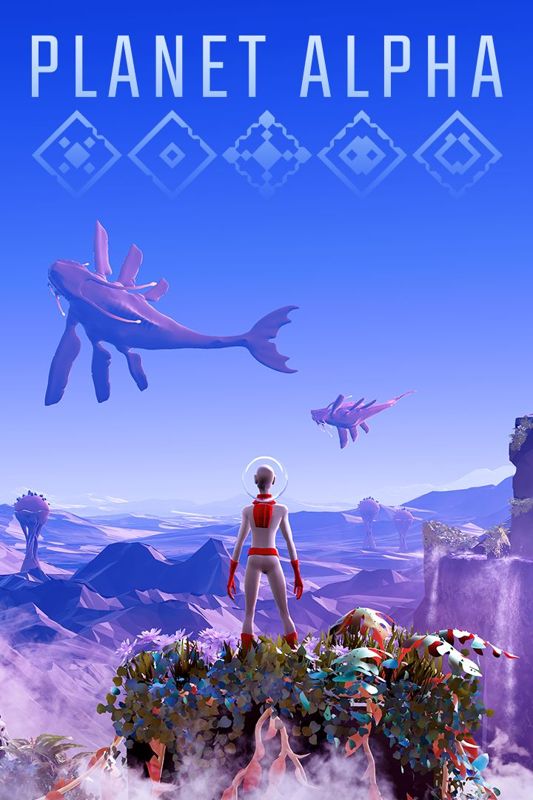
The most direct visual and tonal comparison — another atmospheric sci-fi platformer built around a lone protagonist navigating a strange alien world, with a rich colour palette and a focus on environmental wonder over mechanical challenge. Planet Alpha is more visually ambitious and slightly longer, but shares the same spirit of quiet alien exploration.
FAR: Lone Sails (2018)

For players drawn to Planet of the Eyes’ specific atmosphere of solitude, forward momentum, and a world that has already lost something important, FAR: Lone Sails delivers the same emotional register with considerably more depth and a more fully realised mechanical vision. A natural next step.
If you are drawn to games that use retro sci-fi aesthetics and environmental storytelling to create a sense of quiet alien wonder, Stela, Orphan, and The Eternal Castle Remastered all sit in interesting proximity to Planet of the Eyes — each one finding its own corner of the desolate, lonely sci-fi world.