

Description
Nosferatu is one of those SNES games that I suspect most people have never heard of, and that is a genuine shame — because it is doing something more interesting than its obscurity suggests. Developed and published by SETA Corporation in 1994 in Japan and 1995 in North America, it is a Prince of Persia-style cinematic platformer set inside a gothic vampire’s castle, and the best way I can describe it is Prince of Persia meets Castlevania.
The deliberate rotoscoped movement and trap-heavy level design of the former, the gothic horror atmosphere and undead enemies of the latter. It is not a flawless game — the difficulty is brutal and there is no save system — but as an atmospheric curiosity from the SNES’s final years, it earns its place in this database with some confidence.
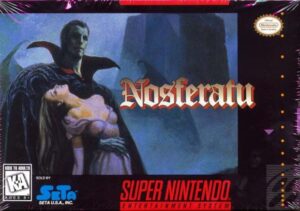
Year: 1994
Developer: SETA Corporation Atmosphere: Gothic Horror · Haunted · Suspenseful
Visual Style: Pixel Art · Realistic Animation
Focus / Pace: Action Platforming · Deliberate
Platforms: SNES
The Story
Kyle’s girlfriend Erin has been kidnapped by the vampire Nosferatu, taken to his castle to become his undead bride. Kyle rides to the castle to save her. That is the entire premise, delivered with the kind of earnest simplicity that only early 90s games managed with a straight face. The story is almost aggressively thin — but it does not need to be anything more than what it is. The castle is the story. Moving through it, surviving it, and eventually confronting the vampire at its heart is all the narrative Nosferatu needs.
What I find quietly impressive is the presentation for a 1994 SNES title. The game opens with a genuinely atmospheric intro sequence, and the environments are composed with a gothic attention to detail — flickering torchlight, crumbling stone corridors, dungeons and crypts that feel like they have been inhabited for centuries. There is also a genuinely cruel twist ending if you die more than eight times before completing the game: Nosferatu bites Erin before Kyle reaches her, and when they finally embrace she bites him in return. It is a bleak little gut-punch that I did not see coming the first time I encountered it.
Graphics
The pixel art is some of the best on the SNES for this type of game. Kyle is a large, well-animated sprite who moves with the fluid, committed weight of the Prince of Persia tradition — every jump, slide, and punch feels physically grounded. The castle environments shift across six distinct zones — dungeons, crypts, tower interiors, laboratories — each one visually distinct and consistently atmospheric.
The enemy designs are creative and varied: gargoyles, skeletons, zombies, two apes in vests (which is as strange as it sounds), and eventually Nosferatu himself in both human and giant bat form. The colour palette leans dark and desaturated in a way that feels deliberate rather than technical — this is a world that is supposed to look cold and dead, and it succeeds.

Gameplay
This is where Nosferatu is most directly in conversation with Prince of Persia. The movement is deliberate and committed — Kyle runs, jumps, slides, and climbs with a physicality that demands you think before you act. The level design is trap-heavy and unforgiving, with spikes, buzzsaws, collapsing floors, and flame-spewing gargoyle heads scattered throughout. Kyle fights entirely with his fists and feet — a surprisingly varied martial arts moveset including a four-punch combo, slide kicks, and roundhouse kicks — which gives the combat a scrappy, physical quality that distinguishes it from the weapon-based combat of most cinematic platformer contemporaries.
The difficulty is steep, and the complete absence of a save or password system is the game’s most frustrating quality. A timer adds pressure throughout, and while hourglasses scattered across the levels can extend it, the combination of no save system, brutal traps, and a ticking clock makes Nosferatu a game that demands genuine commitment. GamePro’s review at the time called it “frustratingly difficult but still worthwhile” — and I think that is exactly right.
Atmosphere
The atmosphere is where Nosferatu most clearly earns its place in this database. The gothic horror setting — genuinely rare in the cinematic platformer genre — gives it a distinct identity that no amount of difficulty can obscure. Moving through the castle feels genuinely eerie: the darkness is used purposefully, the enemy encounters are staged for maximum unease, and the soundtrack by Masanao Akahori is suitably macabre — dark, repetitive melodies with sudden sound effects that make you jump slightly even when you know they are coming. For a game about a vampire’s castle, it actually feels like a vampire’s castle. That sounds obvious but it is harder to achieve than you might think.
🎮 Verdict: Is Nosferatu still worth playing today?
Nosferatu is a game I find myself recommending cautiously but enthusiastically to the right person. If you love the Prince of Persia tradition — the deliberate movement, the trap-heavy levels, the feeling of a world that is actively trying to kill you — and you also have a fondness for gothic horror, this is a genuinely distinctive entry in the genre that most people have never played. The no-save system is a real barrier, and the difficulty will push casual players away. But the atmosphere, the animation quality, and the sheer gothic personality of the thing make it worth the effort.
It is also genuinely rare as a collectible — original cartridges fetch significant prices — which means your best option today is emulation. That is a shame for a game this good, but it is an honest one.
Where can I play Nosferatu?
Nosferatu was released exclusively on SNES and has never been officially re-released on any modern platform. Physical cartridges are expensive collectibles. Emulation is the practical option — it runs well on any SNES emulator and is absolutely worth experiencing, particularly if you have never encountered it before.
Similar Games
If the dark fairytale atmosphere, hand-drawn animation, and brutal trial-and-error challenge of Heart of Darkness resonated with you, these two cinematic platformers deserve your attention next.
Blackthorne (1994)
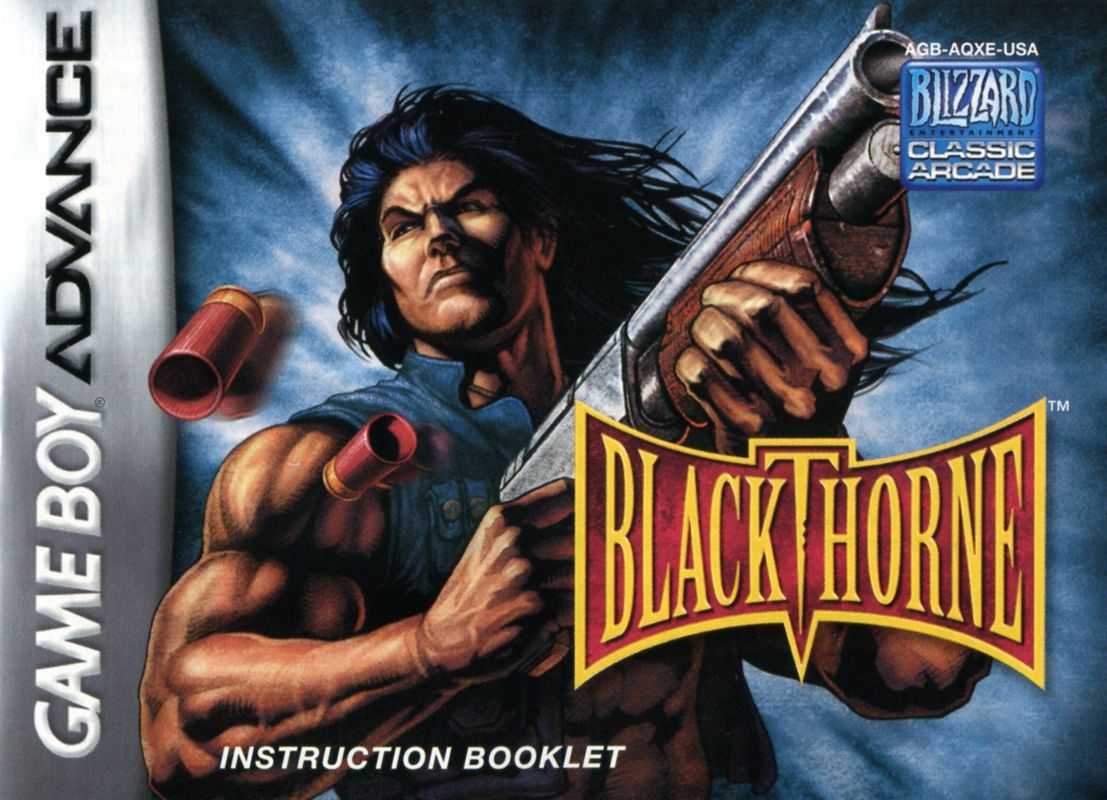
Released the same year, Blackthorne shares Nosferatu’s dark atmosphere, SNES platform, and deliberate cinematic movement — with a similarly unforgiving difficulty and a strong sense of visual identity. The two games make a fascinating double bill from the same moment in the genre’s history.
Prince of Persia 2: The Shadow and the Flame (1993)
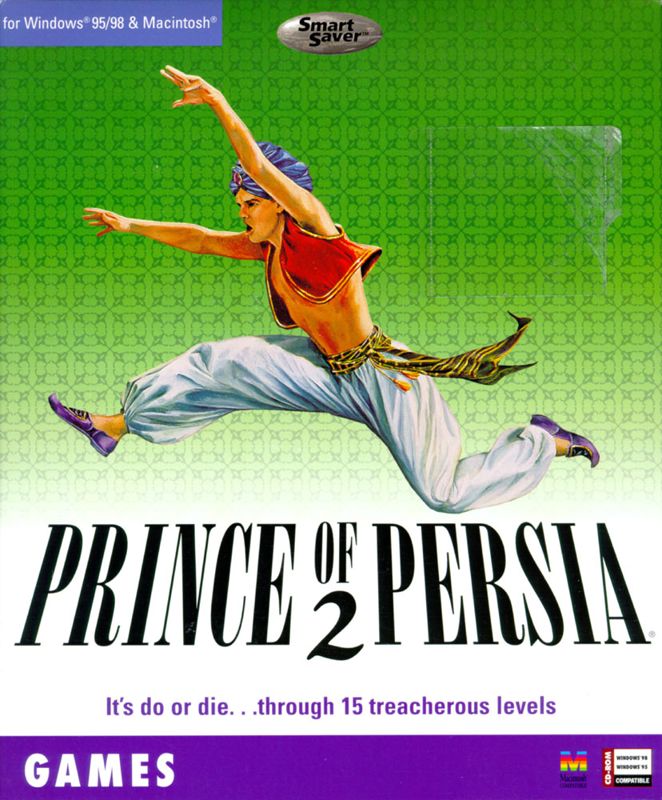
The natural companion piece to Nosferatu — same deliberate rotoscoped movement, same trap-heavy level design, same ticking clock pressing you forward. Prince of Persia 2 expands the original’s formula into larger, more visually ambitious environments, and its darker tone and more aggressive combat sit closer to Nosferatu’s gothic sensibility than the first game does. If the movement and pacing of Nosferatu clicked for you, this is the essential next step.
If you are drawn to gothic horror, brutal trap-heavy level design, and the specific satisfaction of cinematic platforming done with genuine atmosphere, Heart of Darkness, Oddworld: Abe’s Oddysee, and Bermuda Syndrome all sit in interesting proximity to Nosferatu — each one finding its own dark corner of the genre.