
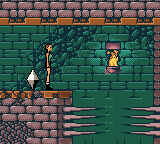
Tomb Raider on Game Boy Color is one of the rarest things in the cinematic platformer genre — a handheld adaptation that not only works, but works remarkably well. Released in the summer of 2000, it sits in one of the quietest periods in the genre’s history, a time when the 2000s were pulling the entire industry toward 3D and leaving side-scrolling cinematic games behind almost entirely. That makes this small, quietly brilliant Game Boy Color title all the more surprising and all the more worth talking about.
With 3D entirely off the table for the Game Boy Color version, Core Design drew inspiration from cinematic platformer classics such as Prince of Persia and Flashback, understanding the importance of keeping Lara Croft as the focal point. The result is a game that feels less like a compromised port and more like a genuine reimagining of what Tomb Raider could be when stripped back to deliberate movement, environmental puzzle-solving, and careful traversal.
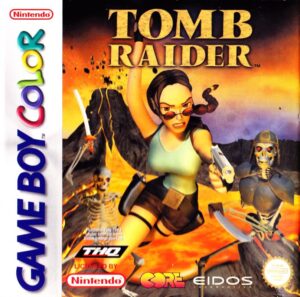
Year: 2000
Developer: Core Design
Atmosphere: Adventure · Ancient Ruins · Isolated
Visual Style: Pixel Art · Side-Scrolling
Focus / Pace: Exploration Platforming · Methodical
Platforms: Game Boy Color
The Story
Lara Croft is tasked with recovering the Nightmare Stone, an ancient artifact sought by treasure hunters aiming to use it to awaken the malevolent god Quaxet, leading her through perilous tombs filled with traps, puzzles, and supernatural enemies. It is a lean, functional adventure story that does exactly what it needs to do — give you a reason to push forward through the next temple corridor — without overcomplicating things. For a handheld game from 2000, the narrative holds together with surprising confidence.
Graphics
The Game Boy Color is an 8-bit system, and yet Tomb Raider features such fluid animations that it looked almost next-generation for the hardware. Lara’s animations, numbering over two thousand, were rendered from the home console originals, making her model at 48 pixels one of the most detailed characters on the platform. Visuals are bright, crisp and distinct — you will never have any trouble picking out Lara, or indeed any items or switches, from the surrounding scenery. The underwater sections look particularly impressive, with the Cavern levels proving the visual high point of an exceptionally well-presented title.

Gameplay & Pacing
Lara can execute over 25 distinct moves — running, jumping, climbing, swimming, rolling, and firing dual pistols — while solving puzzles involving switches, keys, and timed sequences across 14 expansive levels divided across five themed areas. Exploration is fun, swimming is not aggravating, and the control is just as deep as in the PC version — a remarkable achievement given the hardware constraints of a D-pad and two face buttons.
The game moves at a deliberately slower pace than the home console entries, and that actually works strongly in its favour. Each new area introduces a fresh environmental challenge — ranging from rope climbing in the temple levels to swimming in the caverns and dash-jumping over volcanic lava flows — keeping the experience feeling varied across its surprisingly lengthy runtime. The one area that shows its age is a lack of tutorial for the control scheme, which takes some adjustment before it clicks.
🎮 My opinion on Tomb Raider (GBC)
Tomb Raider on Game Boy Color is a genuine hidden gem — a cinematic platformer that nobody expected to be good and that turned out to be one of the most thoughtful handheld games of its era. As a total package it delivers a degree of immersion not seen in the Tomb Raider series for some time, providing ample incentive to tackle the entire quest. For fans of the genre looking to explore its quieter corners, this one is absolutely worth tracking down.
Where can I play Tomb Raider (GBC)?
Tomb Raider on Game Boy Color has never received a digital re-release, which makes it one of the harder entries on this list to access today. Physical Game Boy Color cartridges do surface regularly on second-hand marketplaces like eBay at fairly reasonable prices. Emulation is also a straightforward option for those comfortable with it — the game runs perfectly on any standard GBC emulator. It is well worth the small effort required to track it down.
Games similar to Tomb Raider (GBC)
If the deliberate side-scrolling traversal, ancient ruin exploration, and methodical puzzle platforming of Tomb Raider GBC resonated with you, these two games are well worth your time.
Tomb Raider: Curse of the Sword (2001)
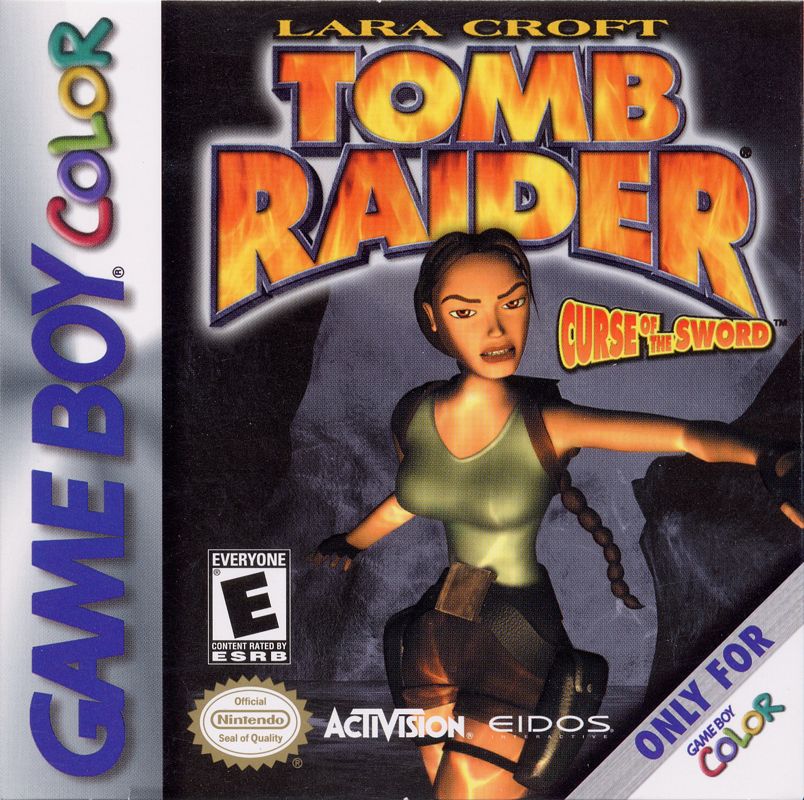
The direct follow-up to this very game, Curse of the Sword builds on everything that made the GBC original so impressive and pushes it even further. Its rotoscope-style animations, tighter level design, and more varied environments make it arguably the stronger of the two handheld entries. If you enjoyed Lara’s first portable cinematic adventure, this one is an essential next step — and it is every bit as overlooked.
Prince of Persia (1989)
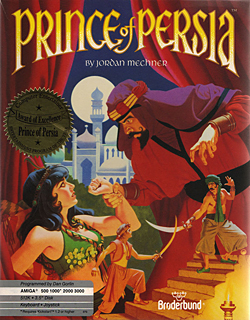
Prince of Persia is the closest spiritual ancestor to what Core Design built here — precise, deliberate movement through trap-filled corridors, careful environmental puzzle-solving, and a strong sense of isolation and danger. If the GBC Tomb Raider felt like a loving tribute to the classics of the genre, Prince of Persia is the game it was paying tribute to.
Flashback (1992)

Flashback shares Tomb Raider GBC’s focus on careful, methodical traversal, environmental observation, and a lone protagonist navigating a hostile world through wit rather than brute force. Its rotoscoped animation and cinematic presentation make it one of the genre’s defining entries, and anyone who appreciated the deliberate pacing of the GBC Tomb Raider will feel immediately at home.
If you are drawn to games that combine careful exploration, ancient trap-filled environments, and that specific satisfaction of methodical cinematic platforming, titles like Another World, Heart of Darkness, and Oddworld: Abe’s Oddysee offer wonderful alternatives that sit right alongside Tomb Raider GBC in the genre’s overlooked catalogue.