

Description
There is a moment near the beginning of Deer & Boy that I keep thinking about. A boy runs away from home in the middle of the night, makes his way to a candlelight vigil for someone who is gone, places his candle carefully among the others, and then the rain comes and extinguishes everything. He takes shelter at a bus stop. A tiny frightened fawn is already there. They look at each other in the dark. Neither of them says a word.
That is the whole premise. That is also the whole game. And it is enough.
Developed by Lifeline Games as their debut title and published by Dear Villagers, Deer & Boy is a 2D cinematic platformer that follows a runaway boy and an orphaned fawn across forests, caves, mountains, factories, and increasingly dreamlike landscapes. Neither character has a name. Neither speaks a word.
The bond between them is built entirely through shared danger, small gestures of affection, and a musical score that carries the emotional weight the dialogue is not there to provide. The deer grows from a fragile newborn you carry in your backpack to a powerful companion who can reach places you cannot, command switches you cannot reach, and dispel a creeping darkness that has no interest in either of you surviving.

Year: 2026
Developer: Lifeline Games
Publisher: Dear Villagers
Atmosphere: Warm · Emotional · Natural
Visual Style: 2.5D · Hand-Crafted Cinematic
Focus / Pace: Puzzle Platforming · Relaxed
Platforms: Windows · PlayStation 5 · Xbox Series X/S · Nintendo Switch
Why Deer & Boy stands out
What sets Deer & Boy apart from the wave of atmospheric cinematic platformers that followed Limbo and Inside is the companion mechanic — and specifically the way that mechanic evolves. Most games of this type give you a companion as a static tool: here is a character, use them to solve these puzzles, move on. Deer & Boy makes the relationship the structure of the game itself.
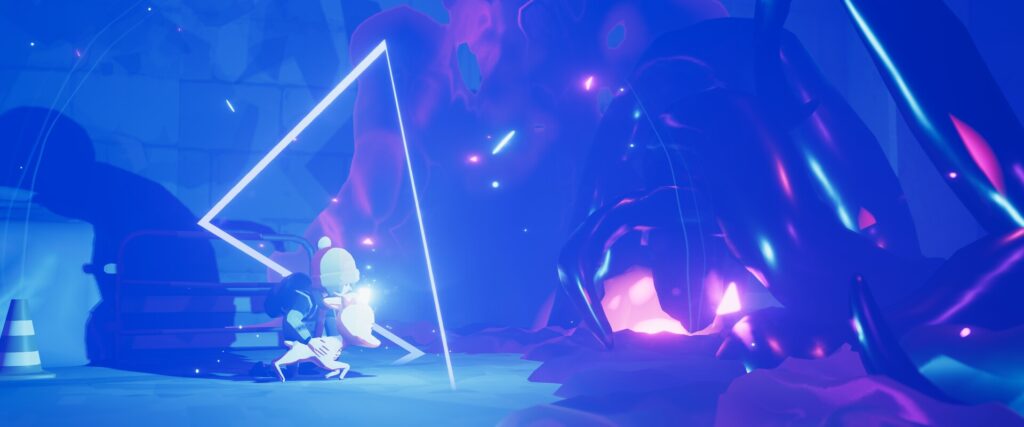
In the early sections you carry the fawn in your backpack — which is as adorable as it sounds, and which genuinely affects your movement, slowing your jumps and changing how you navigate the world. As the deer grows you gain the ability to command it, point it toward switches and platforms you cannot reach yourself.
By the end, the relationship has shifted again: this is no longer a boy protecting a deer. It is two equal partners making their way through something together.
That arc — from protector to partner — is quietly brilliant design. The gameplay changes because the relationship changes. You feel the growth rather than being told about it.
🦌 Did You Know?
Lifeline Games have been open about their cinematic aspirations — they describe Deer & Boy as “an animated film you can play.” The comparison they cite most often is not another game but the spirit of 1980s adventure films like E.T., where resourceful children trust unlikely companions more than the adults around them.
The deer’s supernatural power to dispel darkness was a late addition to the design, added to give the companion a role in the game’s more intense sequences that went beyond puzzle-solving. The deer noises — grunts, sighs, happy little skips — were recorded from real deer and are, by general reviewer consensus, genuinely the best sound design in the game.
The Story
The boy is running from something. The game never tells you what, exactly — a personal tragedy is implied early on, carried in the way he moves rather than anything he says. The deer is orphaned in the game’s second scene, a distant gunshot that the game handles with a restraint that I found more affecting than most games manage with full voice acting and orchestral swells. They find each other and they keep going. That is the story.
There is a supernatural element that emerges gradually — a creeping darkness consuming the world, which the deer has the power to repel. It gives the later sections a mythological quality that suits the fairy-tale tone without overwhelming the quieter emotional core. I found myself less interested in the darkness mechanics than in the small moments between the two characters — the way the boy reaches back to check on the fawn, the way the deer nuzzles against him after a difficult section, the half-moment montage around the midpoint of the game where we watch the fawn grow into an adult while the world outside continues to fall apart.
The ending is divisive — some reviewers found it devastating, others found it predictable. I landed somewhere in the middle: genuinely moved by it, somewhat aware I had seen its emotional shape before. But the journey made it earn its conclusion in a way that most games in this genre do not quite manage.
Graphics
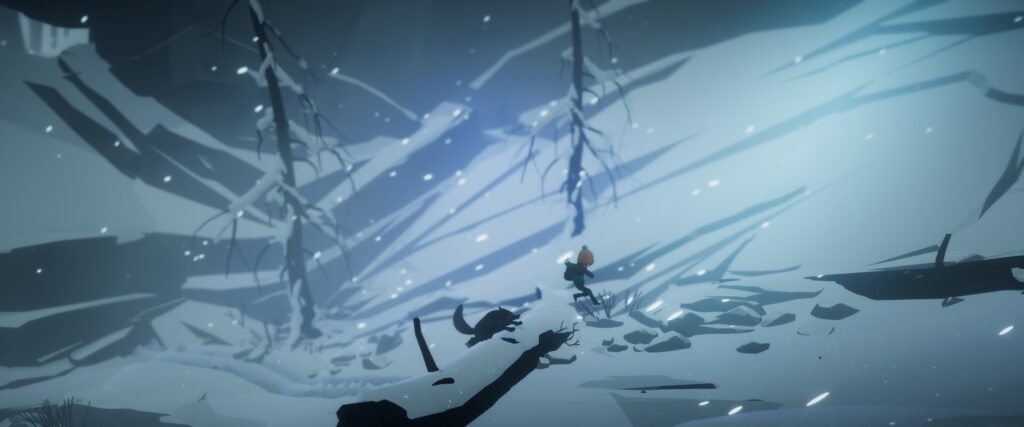
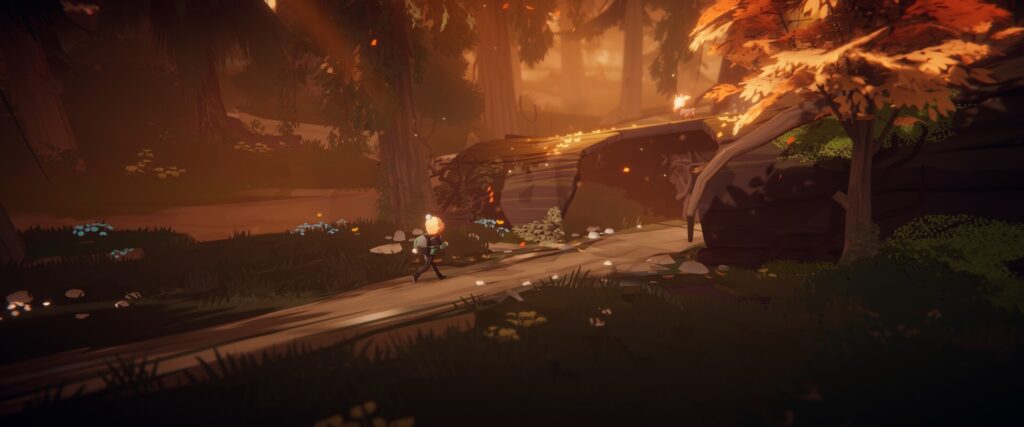
Beautiful throughout, and varied in a way I did not expect. The game moves through forests, caves, sewers, factories, mountains, and dreamlike abstract landscapes — each environment distinctive enough to feel like a different chapter of the same book. The dynamic camera work is one of the game’s genuine achievements: angles shift to emphasise scale, to stage emotional moments, to frame the two characters against something vast and indifferent. It has the compositional confidence of a film director who knows exactly where to put the camera and why.
The one caveat is that the camera occasionally works against you during gameplay — reviewers have noted that the drifting perspective can make precise platforming sections harder to read than they should be. It is a real issue, and one worth knowing about. But it does not undermine what is, frame for frame, one of the most visually accomplished cinematic platformers of 2026.
Gameplay
Gentle, deliberately so. The puzzles are never the point — they are the reason to move through the world slowly, to notice things, to feel the passage of time. Early on you are hiding, waiting, using the fawn as a weight to activate switches. Later you are commanding the deer to reach places you cannot, working as equals. There are stealth sections, platforming sections, a runner sequence in the mid-game, and a 3D walking section that some reviewers found frustrating and others found atmospheric. The game changes tone and mechanics regularly enough that nothing outstays its welcome.
The controls are straightforward and mostly work well. The deer command system — point a cursor at a destination and send the deer there — is implemented cleanly and reliably, which is worth praising given how easy it would have been to make fussy. The one genuine weakness is the occasional unclear hitbox and unresponsive control input, most notably in a timed action sequence near the end that several reviewers flagged as the game’s most frustrating moment. It is a brief blemish on an otherwise well-paced experience.
Atmosphere
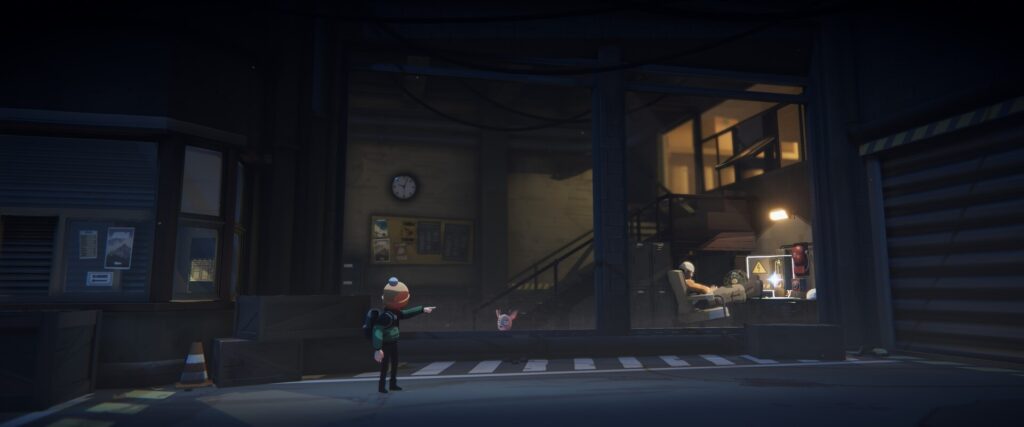
The score is the game’s secret weapon. Composed to carry emotional weight that the dialogue is not there to provide, it moves between quiet, tender moments and more intense sequences with genuine skill. The deer noises — apparently recorded from real animals — are unanimously praised by reviewers and for good reason. When the fawn is frightened, its sounds are genuinely distressing. When it is happy, the little skips and gentle sounds are the most effective moment of characterisation in the game. You feel the relationship through sound as much as through image.
The variety of environments keeps the atmosphere from settling into any single mood. This is not a dark game or a cheerful game — it moves between both, sometimes within the same level. That tonal range is harder to sustain than it looks, and Deer & Boy mostly pulls it off.
🎮 My honest opinion

Deer & Boy is not a revelatory game. It does not do anything that Planet of Lana, Gris, or Little Nightmares has not done before it, and the reviewers who came away merely charmed rather than devastated are not wrong. The puzzles are gentle to the point of near-invisibility, the camera works against you occasionally, and the ending, though moving, follows a shape you will probably see coming.
But the companion mechanic earns its place in the genre in a way that most games do not manage on a first attempt. Carrying a fawn in your backpack, watching it grow level by level, feeling the weight of its trust — it is a simple idea executed with enough care and craft that it lands. For a debut game, that is considerable. Deer & Boy is a warm, short, beautiful experience that understands what it is trying to do and does it honestly. That is rarer than it sounds.
Four hours. Worth every one of them.
Where can I play Deer & Boy?
Deer & Boy is available on PC via Steam and DRM-free on GOG, and on PlayStation 5, Xbox Series X/S, and Nintendo Switch. At four hours for the main story it is modestly priced and ideal for a single sitting — or two relaxed evenings if you prefer. Worth checking Fanatical for deals on PC.
Games similar to Deer & Boy
Planet of Lana (2023)
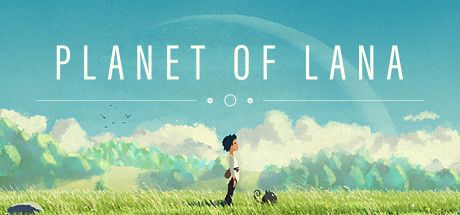
The most direct comparison — a girl and her animal companion across a hand-painted alien world, wordless storytelling, the bond carrying the emotional weight. Planet of Lana is more polished and more ambitious in scope, but the kinship between the two games is immediate and genuine.
Gris (2018)

If Deer & Boy’s emotional register — grief processed through movement and image rather than words — is what drew you in, Gris takes that same instinct and builds an entire visual language around it. Shorter, less mechanically interesting, but more visually extraordinary. The two games belong in the same conversation.
If you are drawn to cinematic platformers built around companionship and wordless emotional storytelling — games that trust the image and the music over the dialogue — Voyage, Hoa, and Neva all sit in the same emotional territory as Deer & Boy.
And if you want to find your next game more systematically, we have put together a guide to games like Little Nightmares and games like Gris that might be exactly what you are looking for.